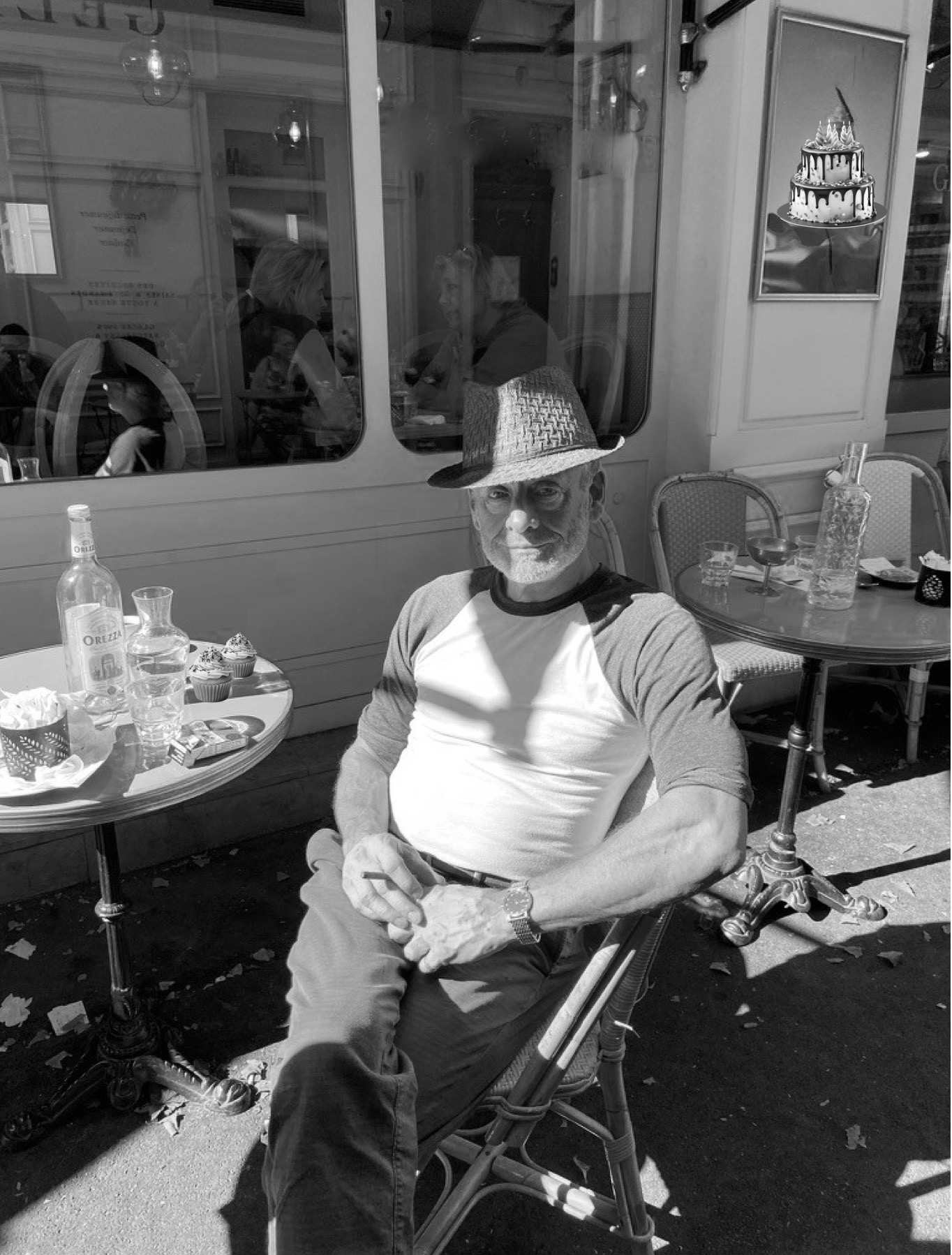
Christopher Hart Chambers
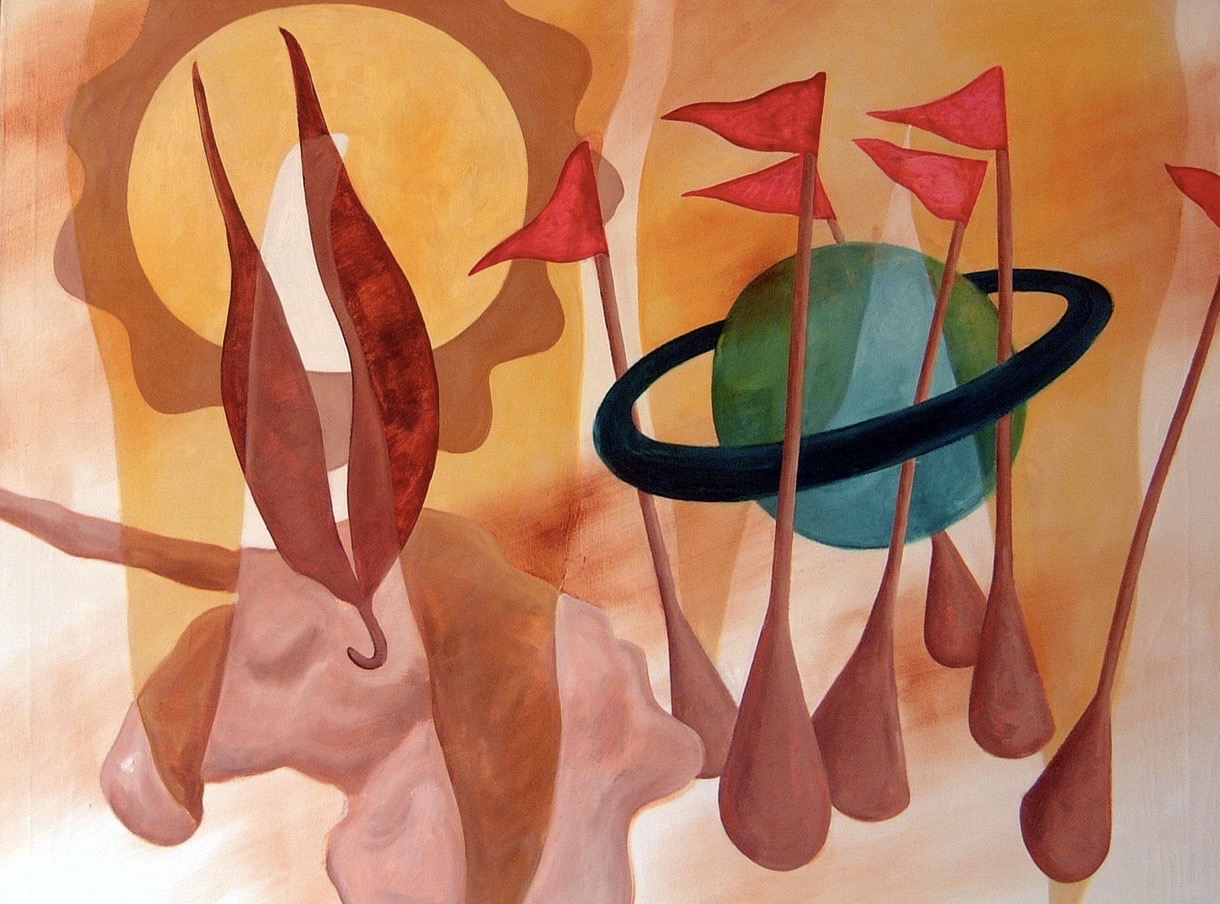
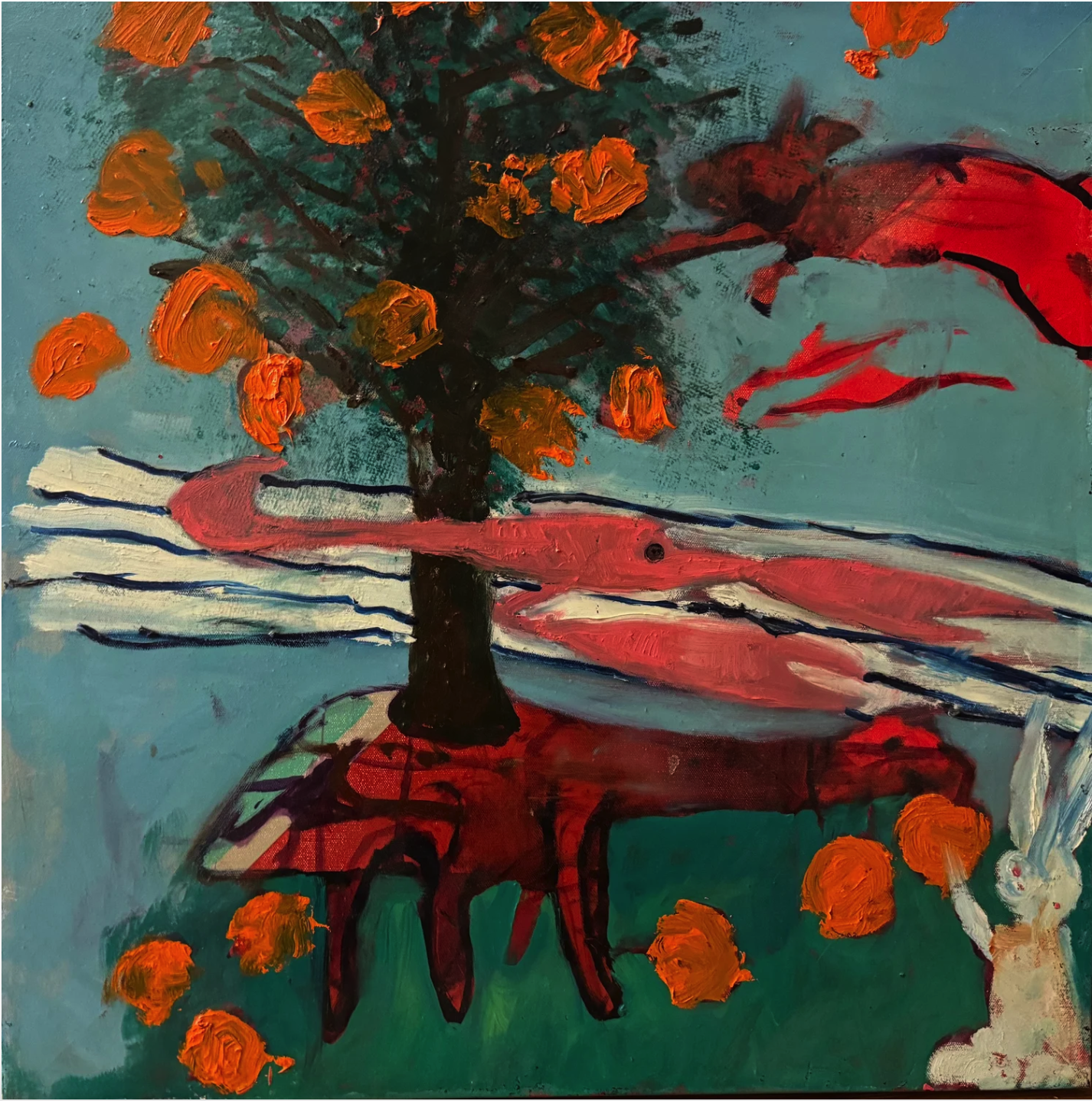
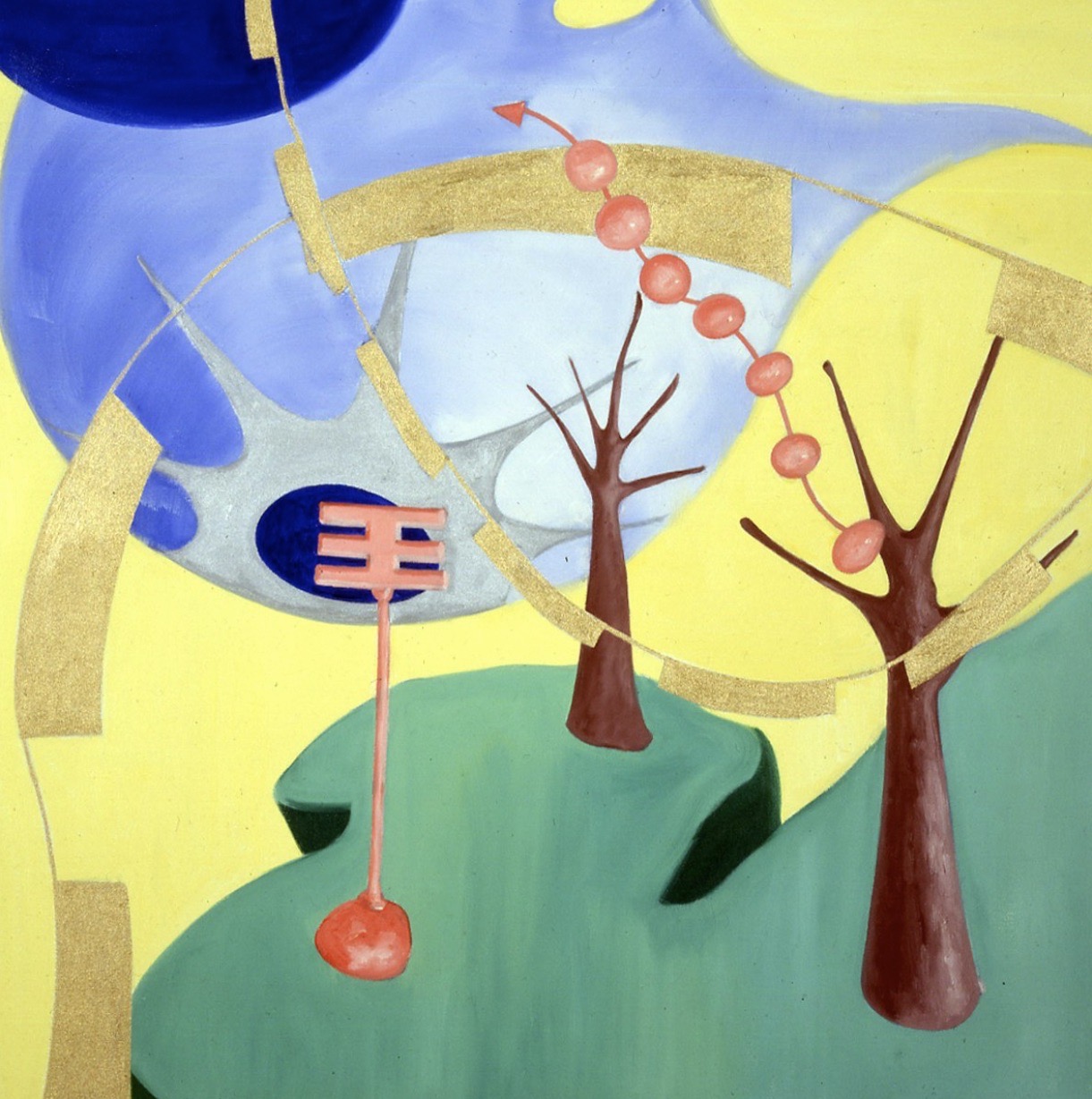
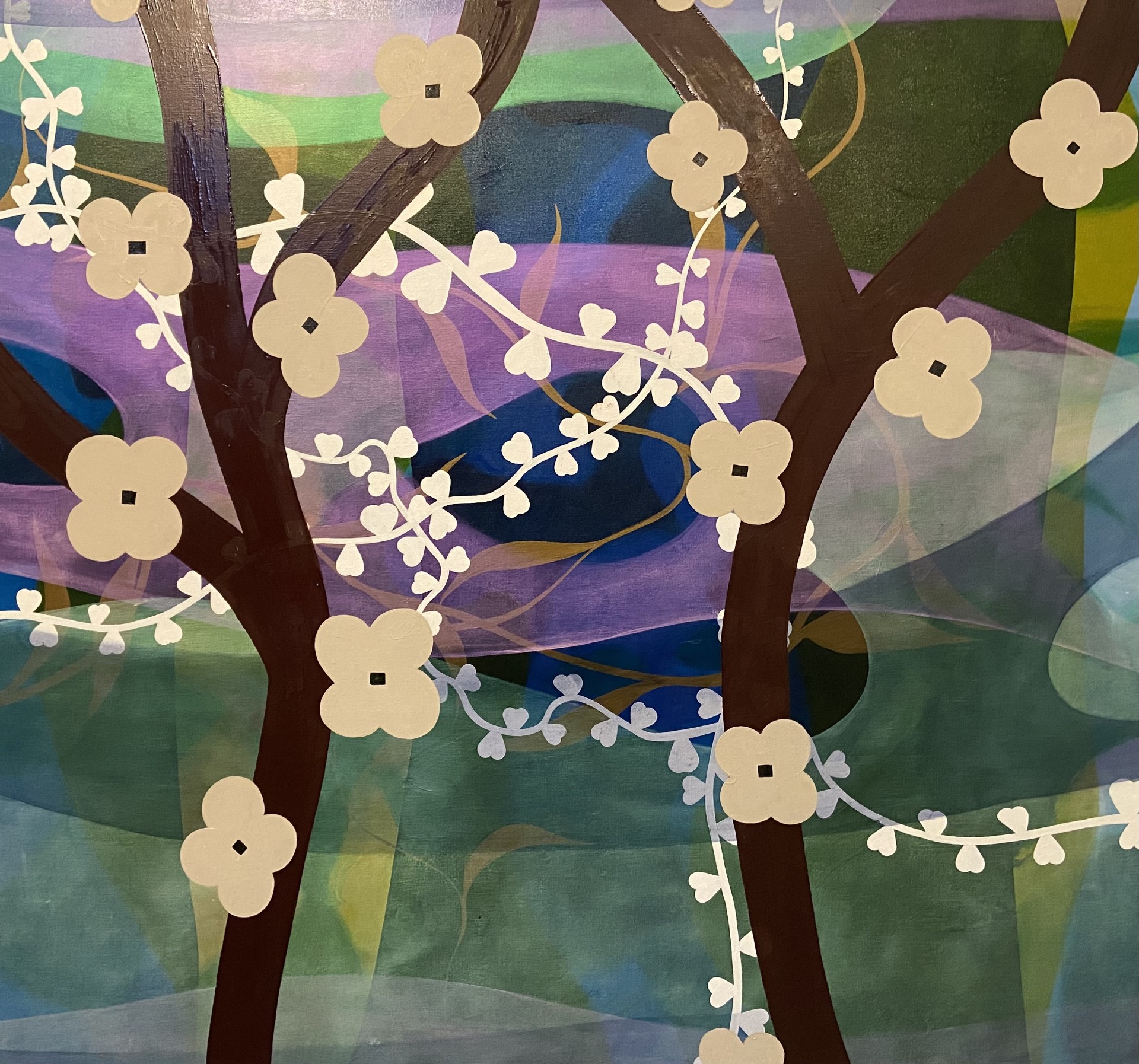
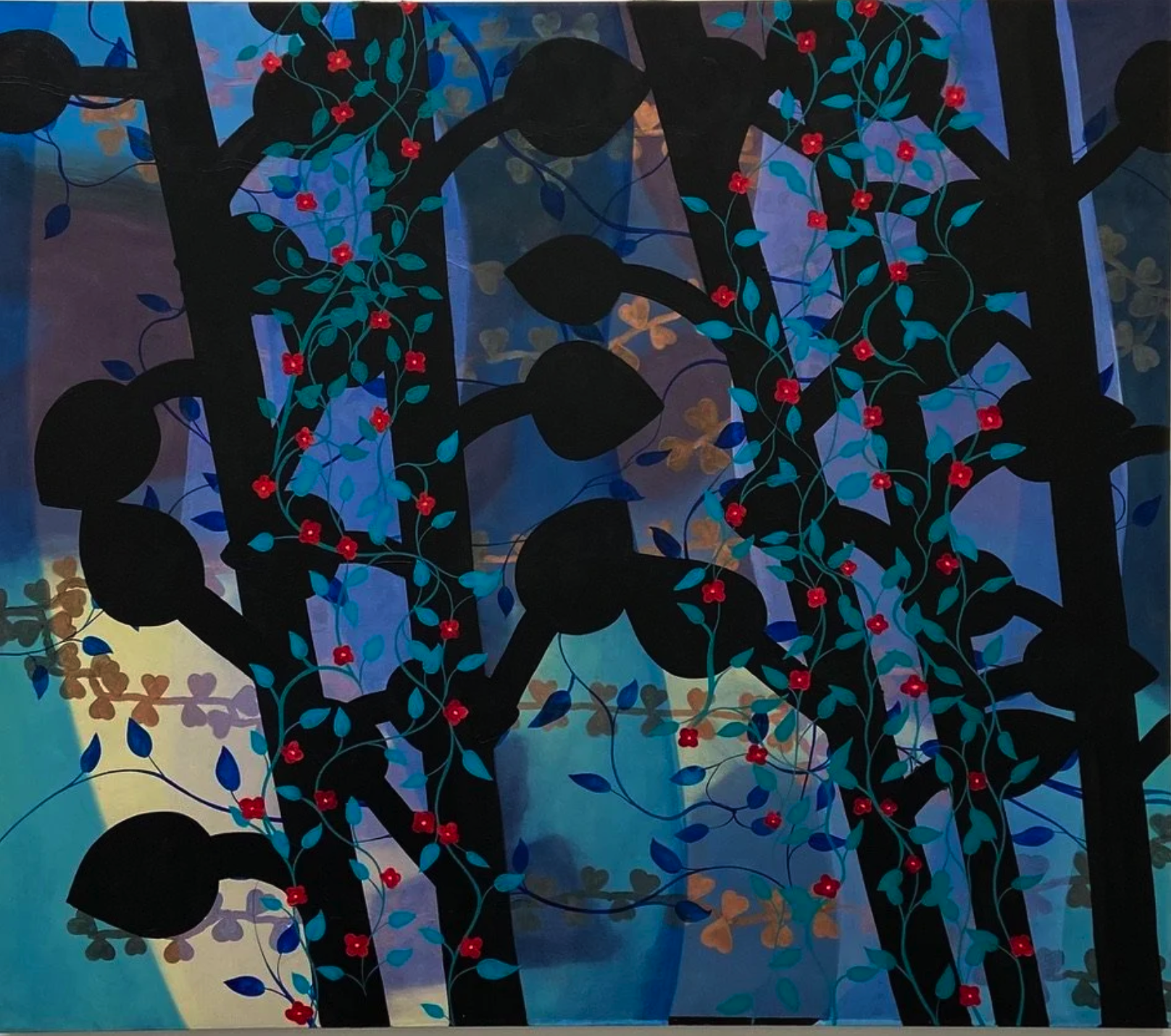
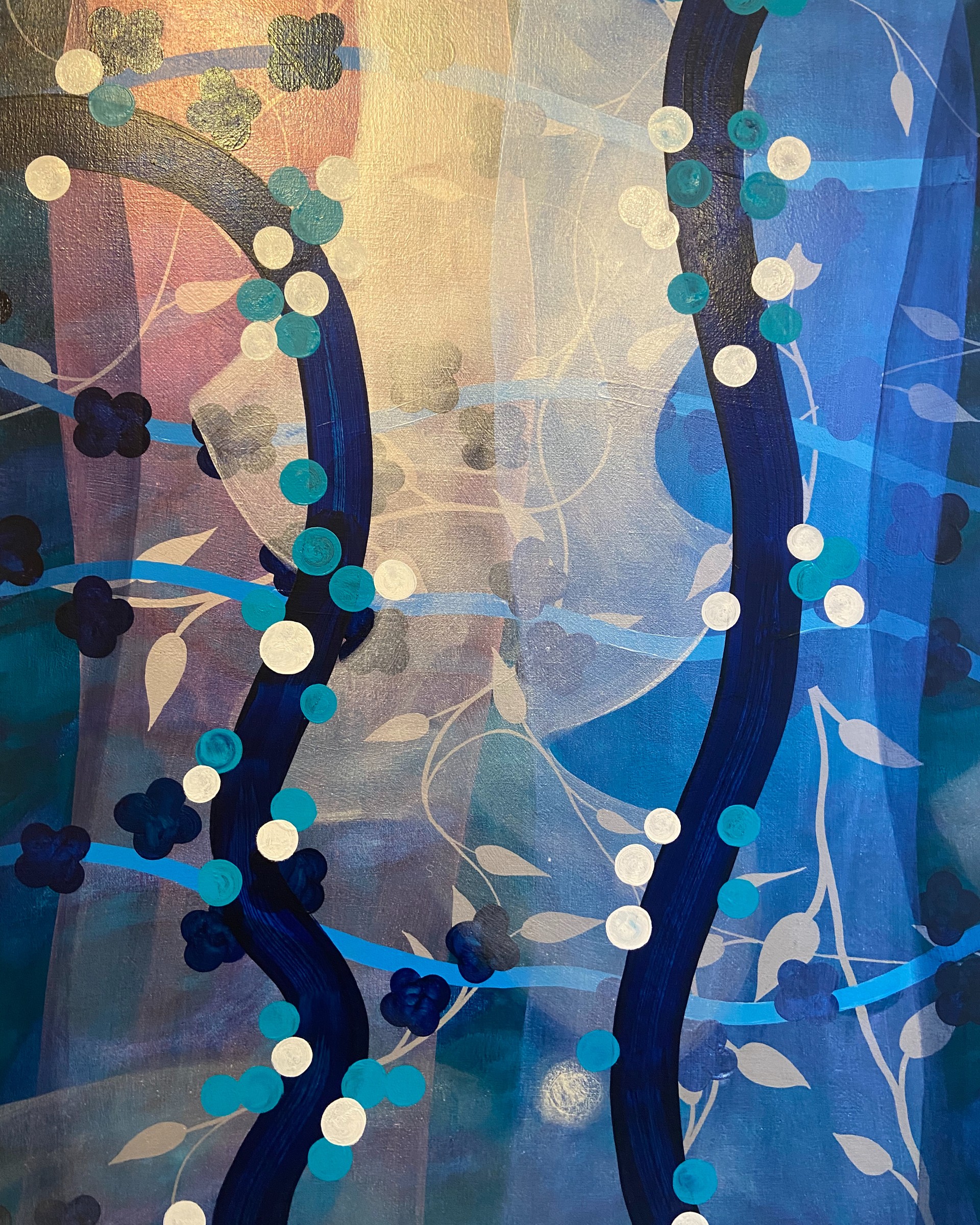
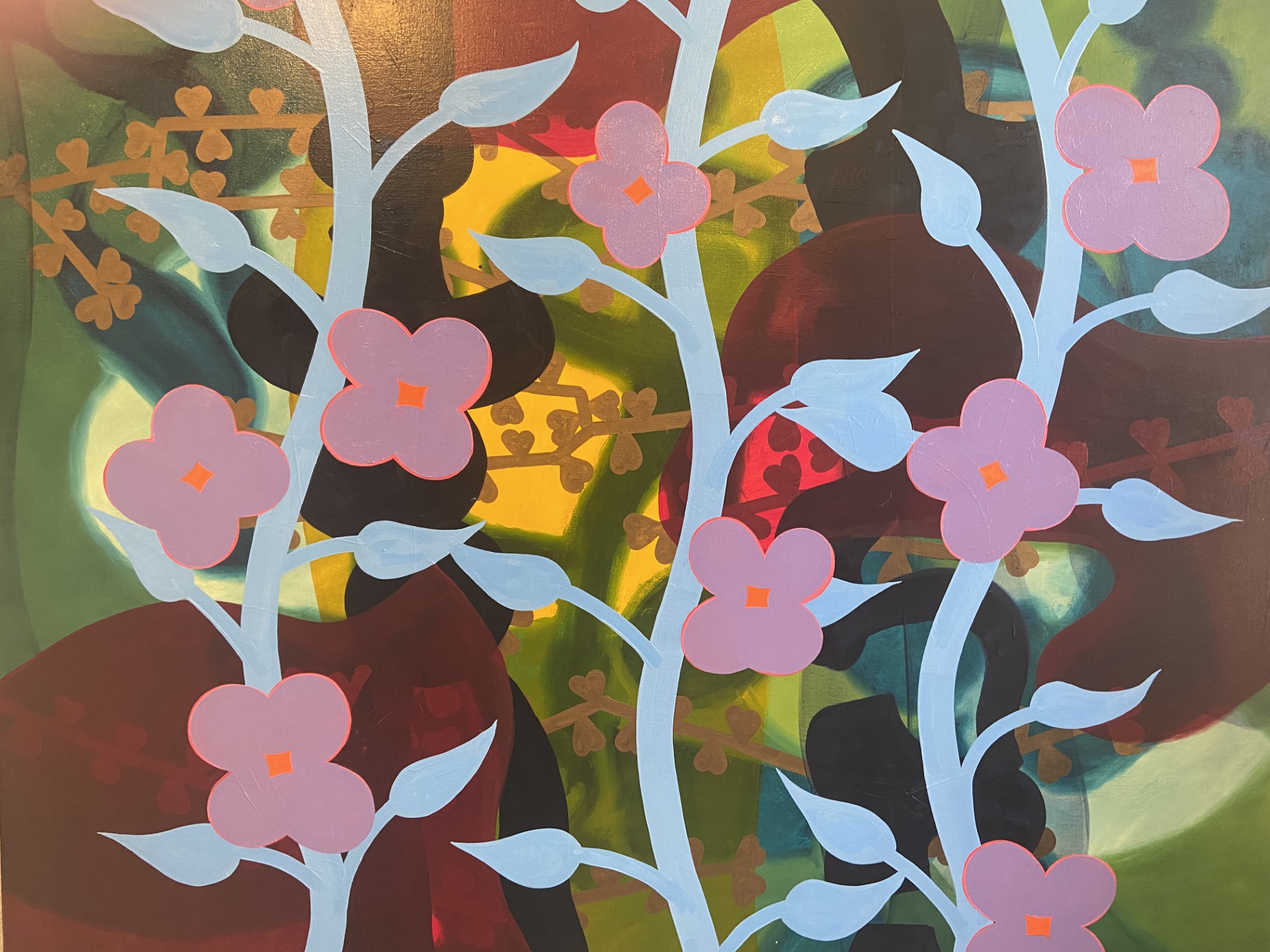
I could define Christopher as a surrealist landscape artist, as his paintings conjure up the idea of a landscape, just somewhere else, the colour palette of what could be trees and vegetation reminiscent of a packet of liquorice all sorts, melted chocolate and the effervescence and fizzle of powder candy, a place where imagination holds court with psychology. His forests and landscapes all resonate the outer realms of exploration, and it all comes across metaphorically, like symbols. The spectrum of his work holds attention to the concept of harnessing the beauty of nature and, at the same time, exploring the depths of being out of the realms of the familiar. Whether it be familiar or alien to us, he tells me how he tries to get the viewer to feel as though they are in the midst of his paintings and to feel the tentacles of the branches as if they brush against your skin. In some of his more recent works, it’s this layering and depth that draws the viewer into an infinitum of the landscape appearing and disappearing as being endless, standing inside and seeing something closer up and far away. “The paintings had these little animal heads all kind of floating around here and there; by leaving them absent, I feel like when you’re walking in the woods and you hear or sense these creatures peering at you” he explains. His works both harness the worldview from a childlike perspective of the unknown surrealist perspective and the adult view of seeing things just outside the norms, in some of his work, there are hints of the universe and ideas reminiscent of Antoine de Saint-Exupéry’s novella ‘The Little Prince’ and how we view the world both in our youth and as adults.
Christopher describes growing up predominantly in New York, despite his parents’ separation and brief periods outside of Manhattan, he eventually returned to live permanently in New York City at age 12. It’s this urban lifestyle that impacted his career, as he was one of the original founders of street art in the early 80’s, with AVANT, it was the street art posters of the era, and the impact it had on the global street art scene to follow. I am fascinated as Christopher emphasises how it differentiated from the graffiti signatures, “I originally started pasting them on the outside of galleries that wouldn’t talk to me. And then I got all of my friends to do it too, and we started just pasting them all over the place. We’d go out on raids in the middle of the night” he tells me. “Within a few months, it just turned into this, like, huge phenomenon” it enabled Christopher to be recognised as an artist. “The streets were our gallery walls” he explains, and opening the doors to his work appearing in galleries that previously shut their doors. “And then the next thing you know, there’s all these other artists doing the same stuff” he tells me.
I start probing Christopher about the influences of his childhood and why he thinks he chose a career as an artist, “I was a bit too much of a wise guy in class” he confirms. “And they sent me to the art room for disrupting the class” he tells me, grinning slightly. His interests were predominantly literature and then he recalls that as a young boy his mother used to take him to the Metropolitan Museum of Art. She brought this up in him, as such a young boy, saying, “How did they do that?” And then later, Christopher described how he liked to do magic tricks. “I realised it’s very much the same kind of mentality that I was fascinated with illusionism, making something appear, that’s much more expressive,” he explains. “I was always interested in creating this, sort of imaginary environment.” He describes it as always being something peripheral. “You know, some people are just drawn towards different ways of doing stuff” he clarifies.
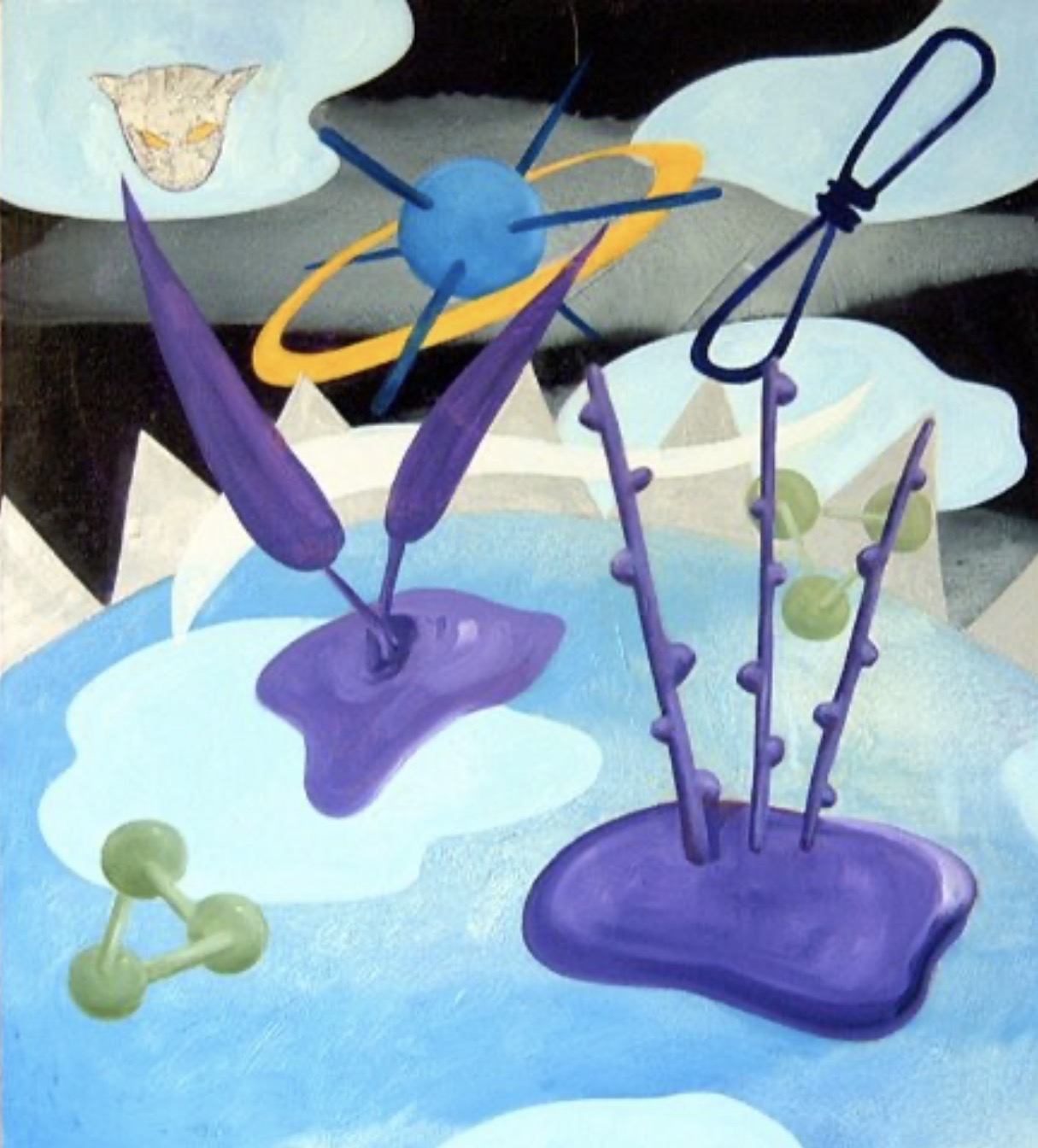
Despite winning art scholarships Christopher dropped out of art school, “I thought that they were teaching you to not believe in yourself and how to lose”. It may be perceived as sounding harsh, Christopher clarifies, he thought art school was quite different then. “How to make a living at it was, it was just a pariah question. You’re just not supposed to talk about that” he explains. He had never finished high school and went to art school instead “I had all these scholarships, and I walked out”. “What really shocked me, when I had one of these scholarships, I got to the school, I must have been 15, 16 years old, and I was thinking, there’s gonna be all of these talented kids, and I get there, and there’s a thousand people who’ve never picked up a paintbrush before” he tells me. It didn’t make sense to him, he had been painting all his life, “They weren’t teaching me anything”. He thought what he needed to do was experience real life outside of these confines. He describes himself as essentially self-taught. “I don’t really believe in this whole outsider art classification. I mean, if somebody works hard at it for years and years and years, how can you call that outsider? I mean, they’ve been working at it. They developed skills. Like, Jimi Hendrix, an outsider musician. He didn’t know how to read music” he clarifies. He recalls one teacher, David Leffel, at the Art Students League when he was 14. He would go there every night to his classes learning classical figurative portrait painting.
“I never decided to be an artist. I probably decided not to be an artist. I mean, I never made a decision”. Christopher emphasises, he tells me how he opened a venue with a good friend who was a musician, which they ran for a few years. “We had the hot bands from the day in New York City,” It was a nightclub so it would be dark, sometimes displaying a couple of sculptures, but it would be mostly too crowded for the sculptures. Christopher described how they would have the paintings hanging from the ceilings on chains, and barn door lighting “So that the paintings would just be lit up over the crowd’s heads, and the rest of the place would be dark, and the bands would be playing on stage”. After that he started writing for art magazines “And that just very quickly, snowballed into a whole other thing where I was being invited into the back rooms of galleries that formerly, I would have been lucky to get out of without a footprint on my backside”. I am curious as to why he suddenly started writing for them, and Christopher tells me how he met someone who was starting an art magazine, it was called New York Arts, “Then I started writing for Flash Art, at the time one of the major international publications”. He tells me what he describes as a funny little anecdote. “One of these gallery owners says to me, well, you’re an artist, we all know that. Isn’t your writing for these art magazines, as being a critic, isn’t that a conflict of interest? And I said, not at all, I know exactly what my interests are. You’re better off as an army.” He explains how a bunch of like-minded people is going to be much more effective than trying to go it alone. Although he was earning himself a reputation as a critic, it was taking too much of his time. Despite appearing in private shows in galleries and museums, including MoMA PS1, located in Long Island City, a contemporary art institution affiliated with The Museum of Modern Art.
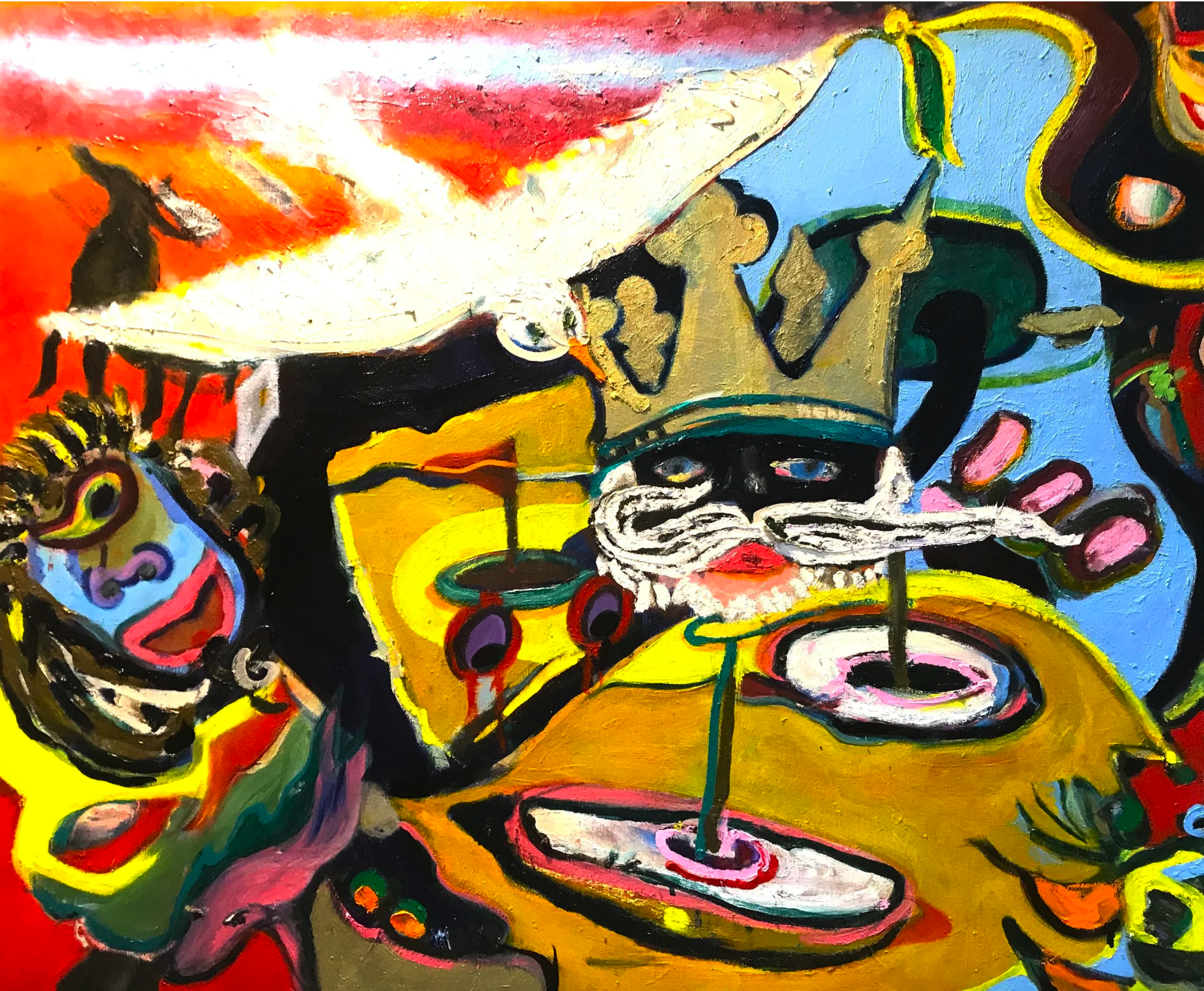
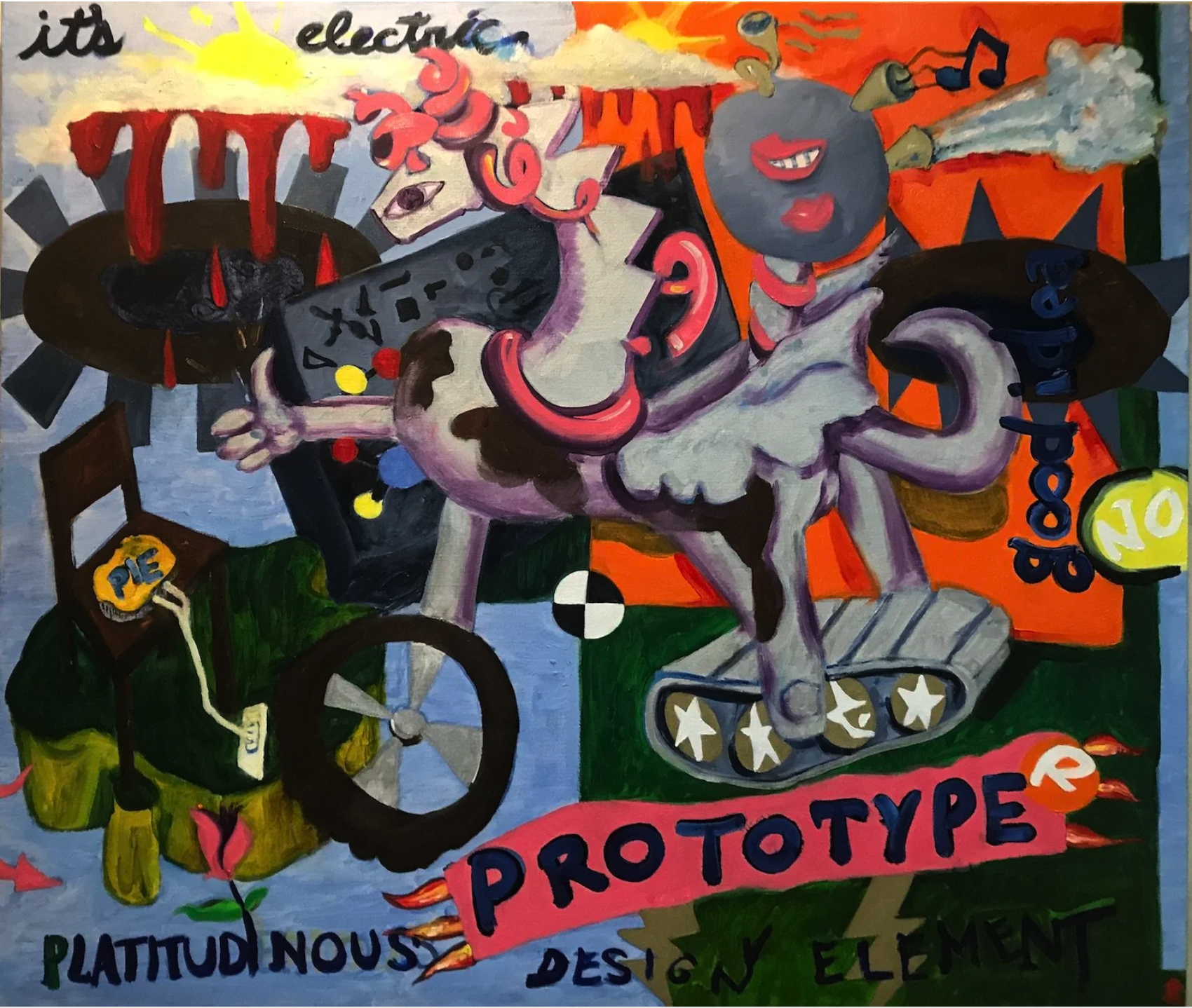
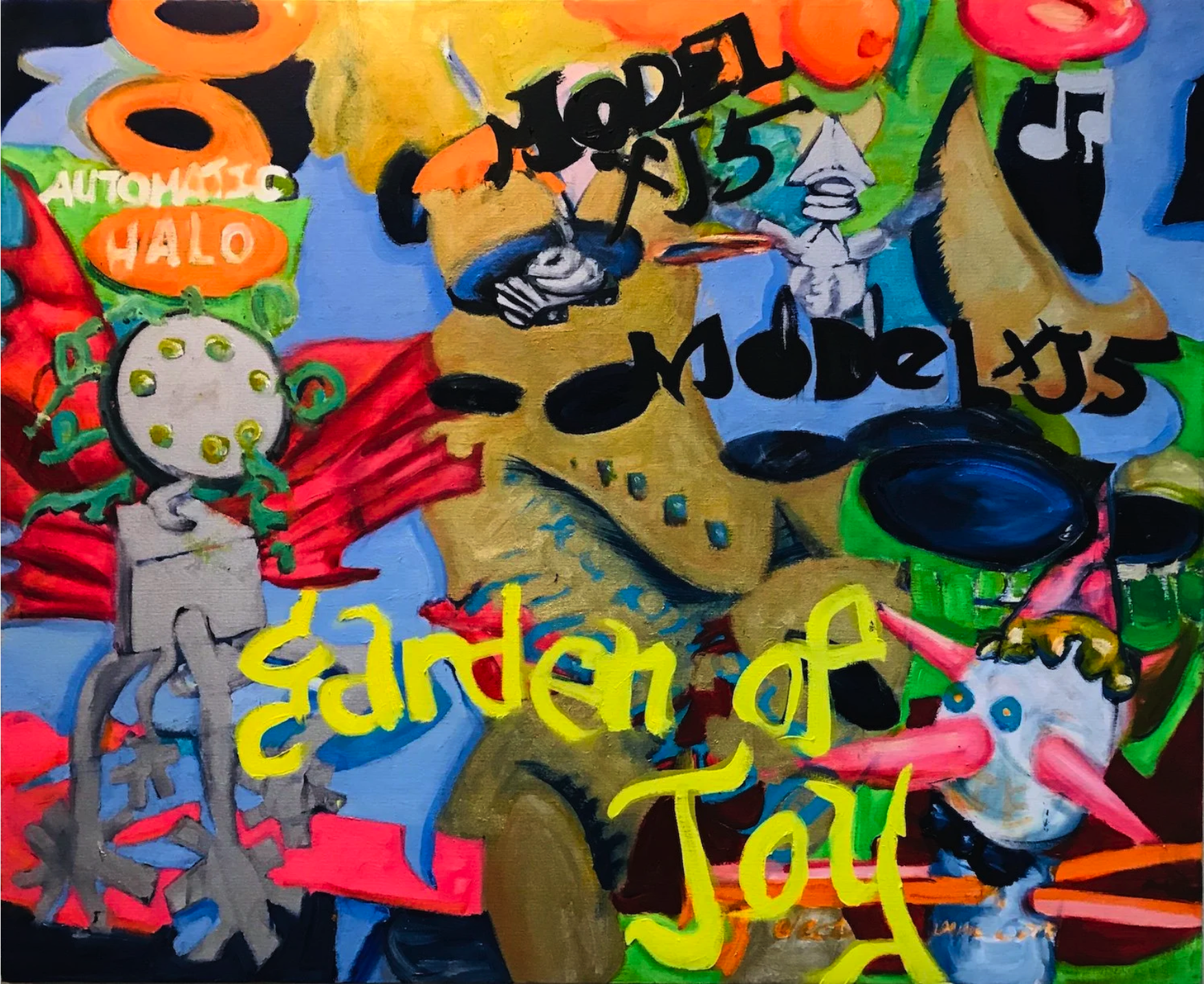
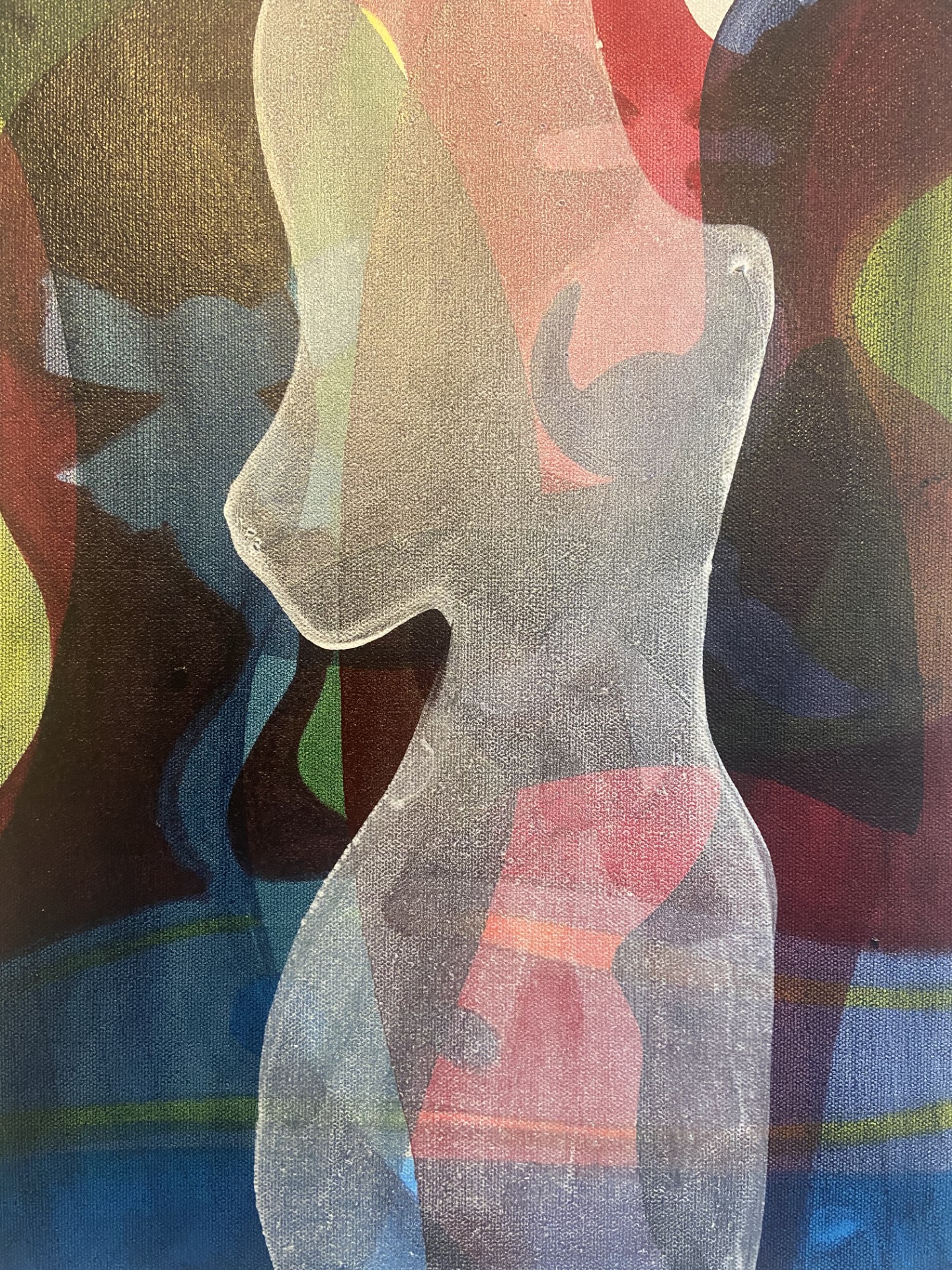
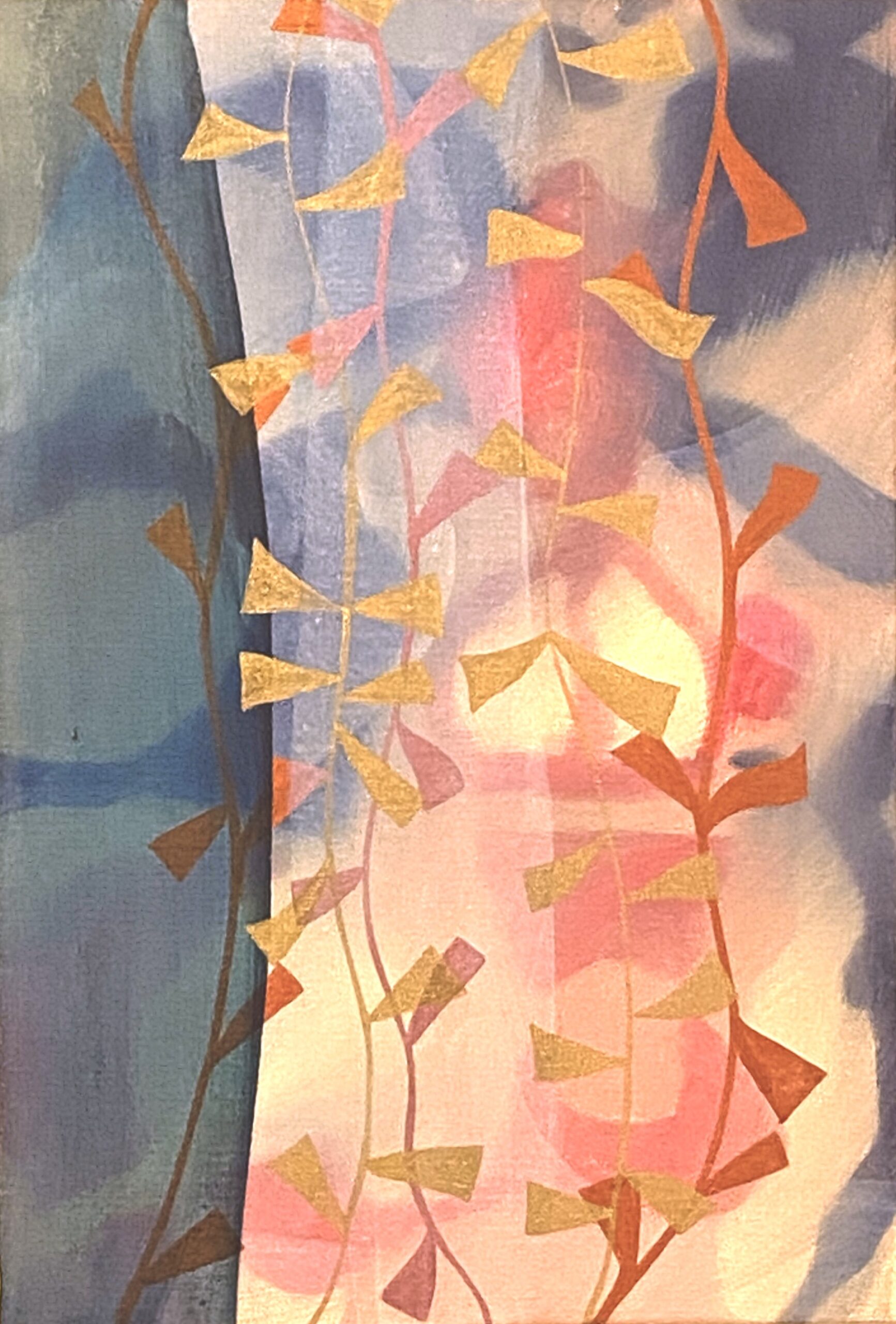
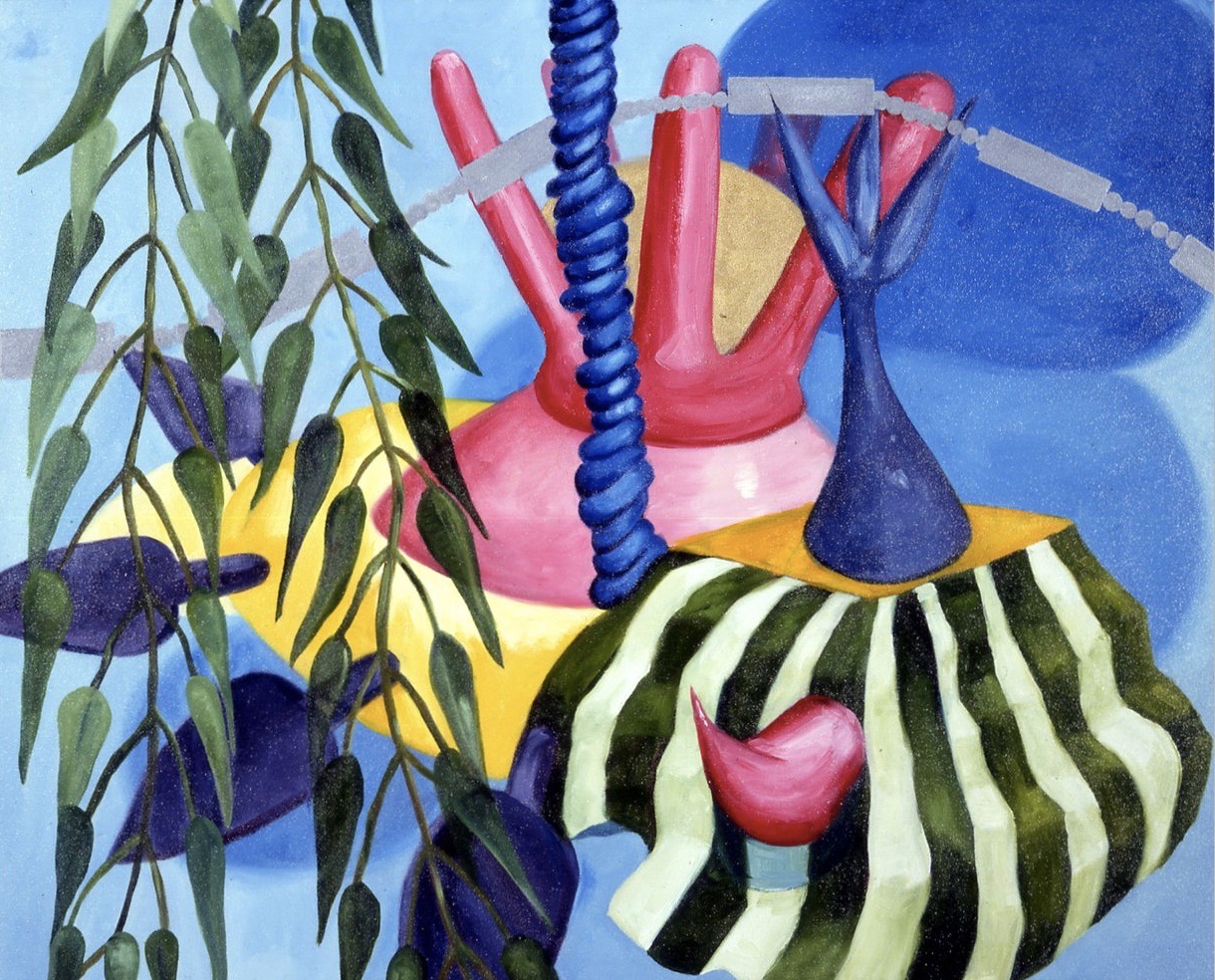
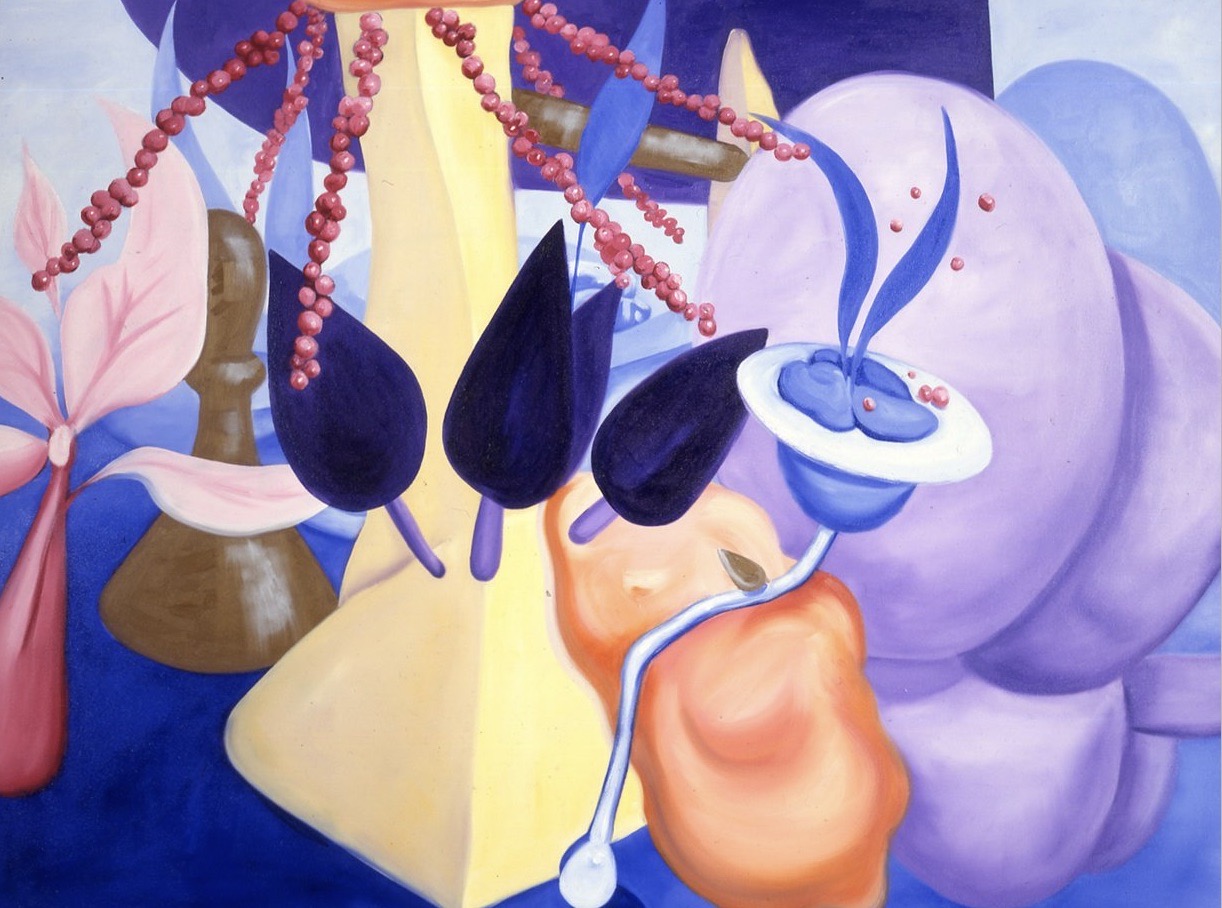
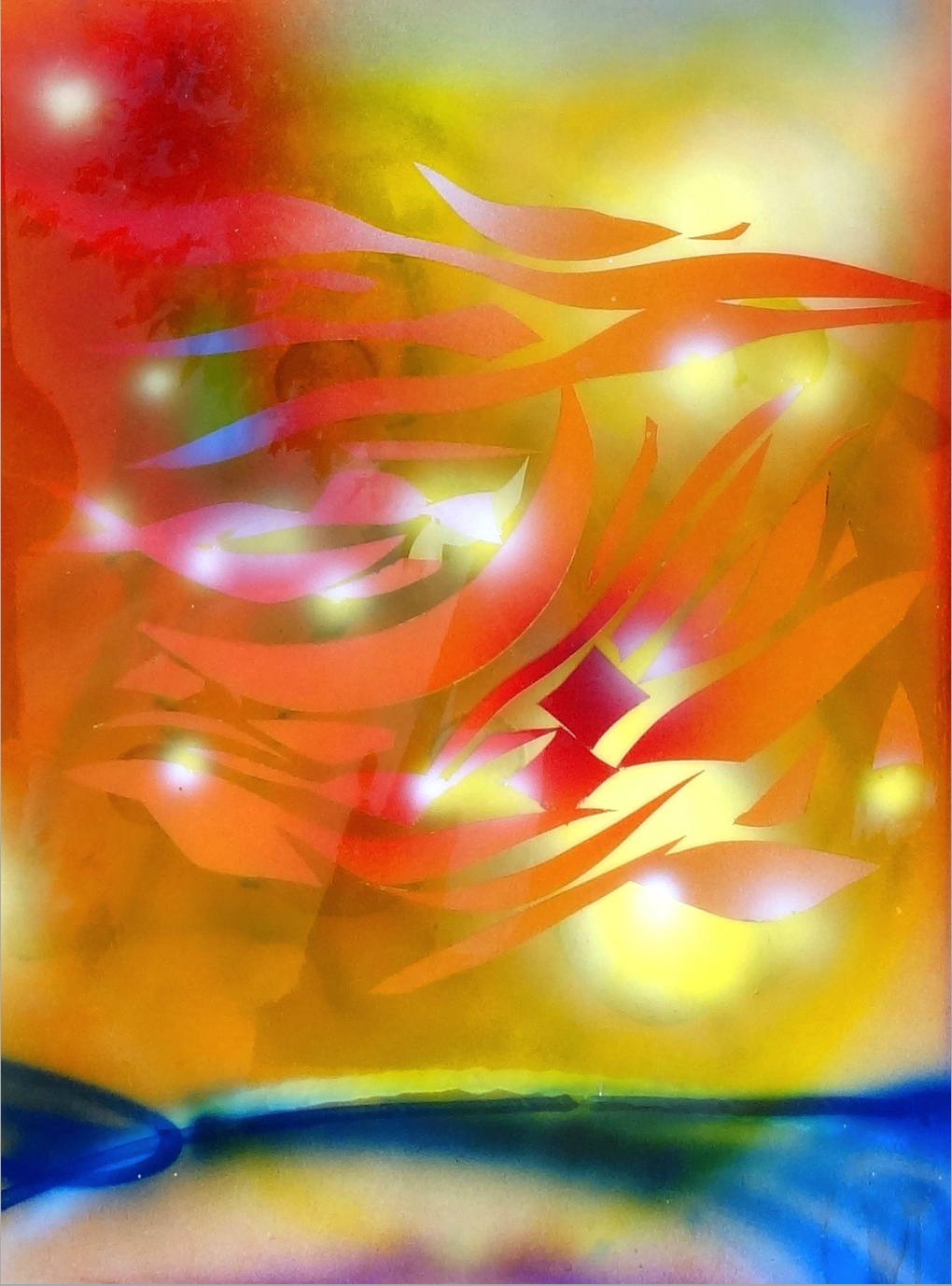
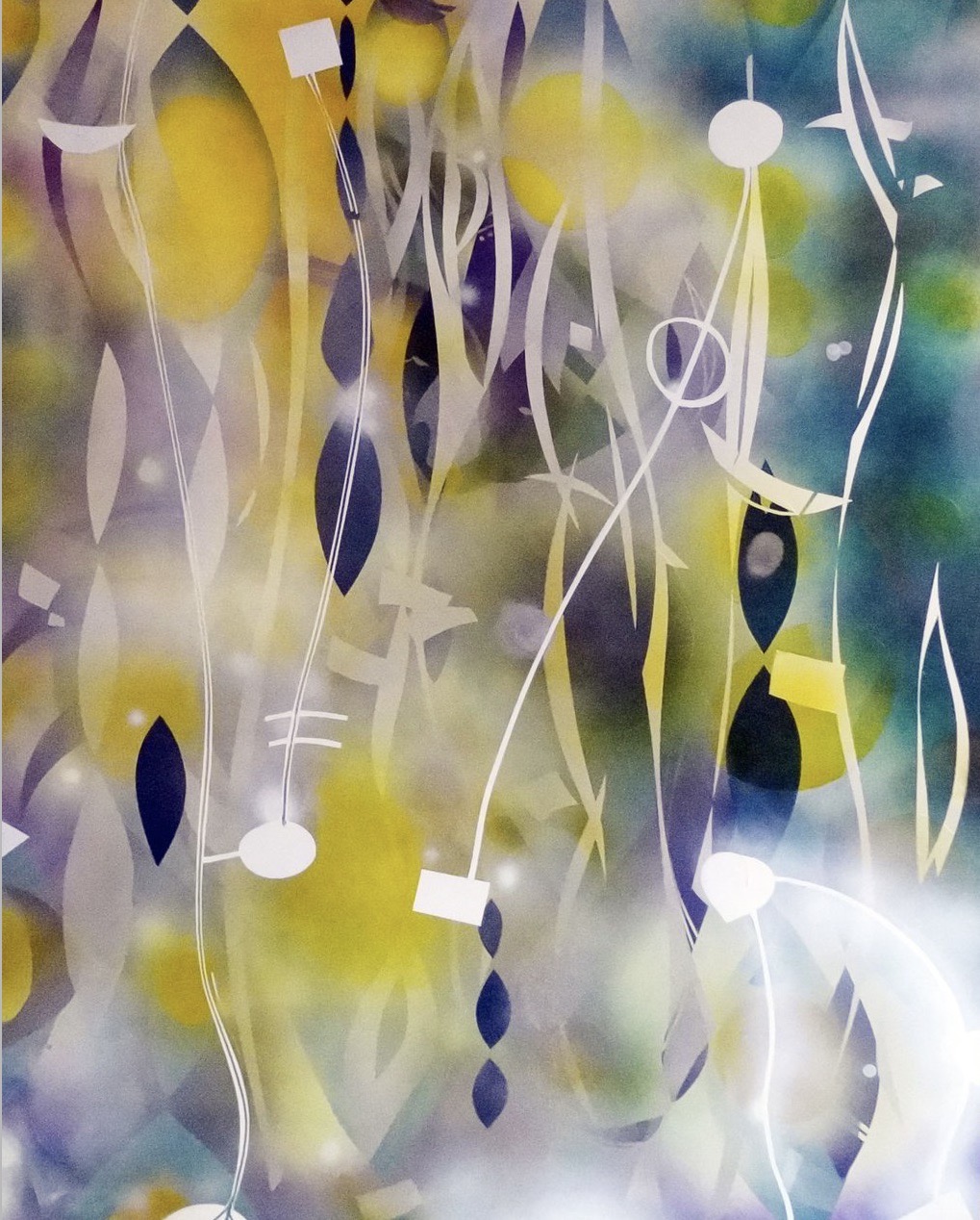
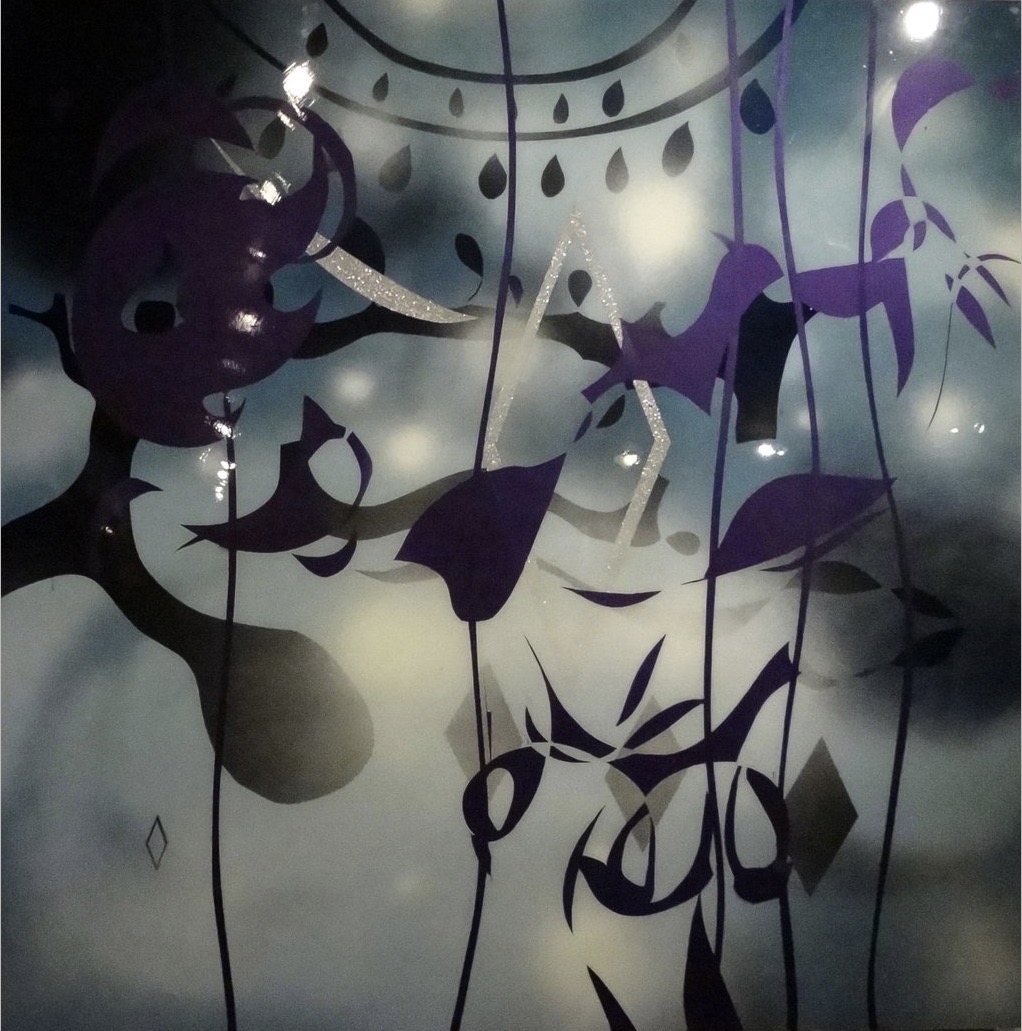
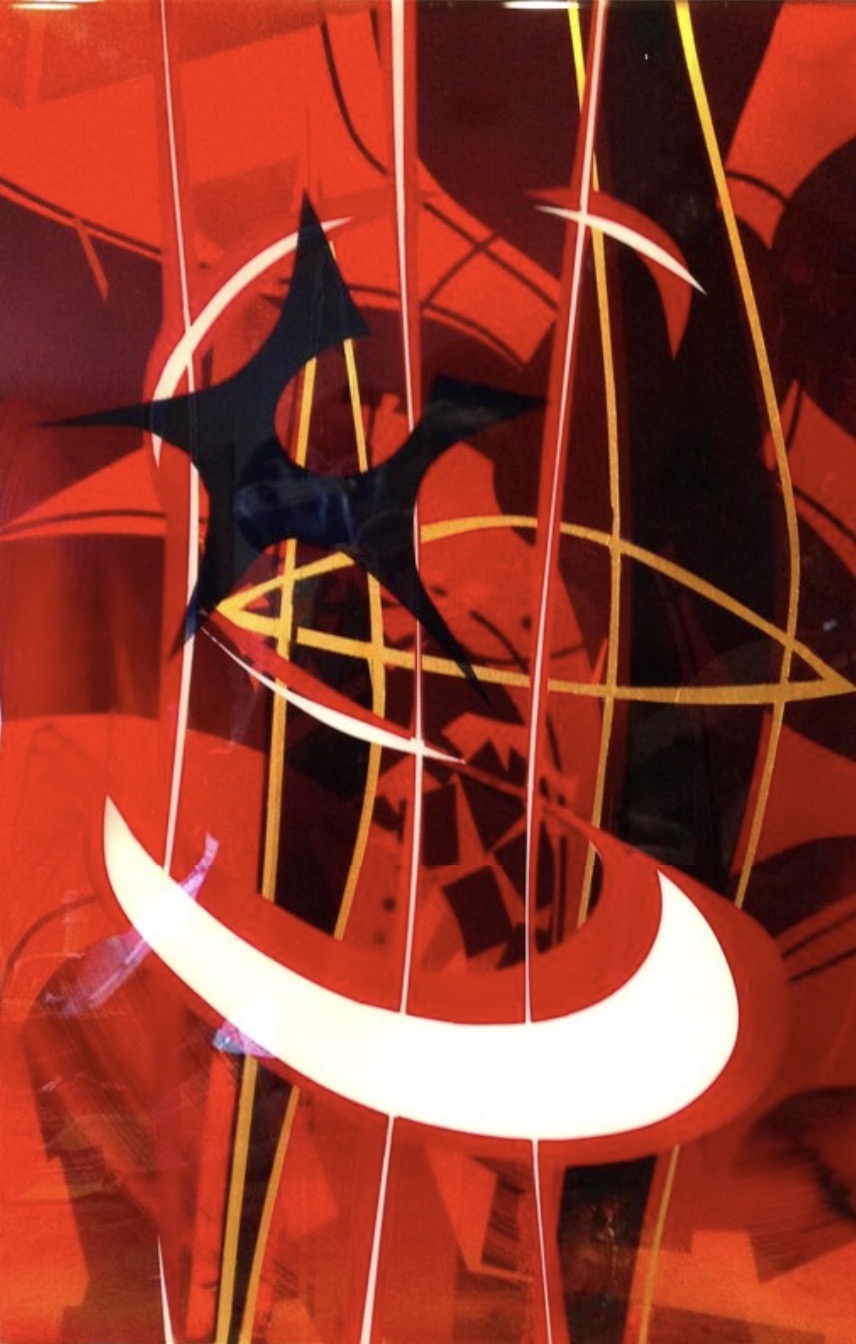
He then wanted to concentrate on his own work a lot more. We start talking about his technical processes, and how he evolved from painting a more impasto technique to recently, a lot of layering. “There’s a whole chronology of how one thing kind of led into another. I don’t have any creative process. It’s completely improvisational” he emphasises, “It’s a continual evolution; I’m always pressing on to see, because it’s like an adventure” he explains. “To discover something and see how far I can press it”. I then ask him what or who inspires his art? “Just everything, if I was to choose one artist out of everyone who’s had more influence on me than anyone. I’d have to say, Jimi Hendrix, because like on that album Electric Ladyland, I get a very synaesthetic kind of a feeling out of it, I see these kind of, floating environments, and I can smell these different colours and things”. He defines how his work goes through various phases “It could be referencing medieval illuminated manuscripts, or perhaps Hanna-Barbera cartoons in the 1960s” and then he mentions inspirations from the New York School and Pop Art and how the simplification of forms influenced him, but mostly it’s from his own life experiences. His most recent works he describes as botanical abstractions, “It took me several months to figure why was I painting like this, it started when I moved into this apartment, it was peripheral”.
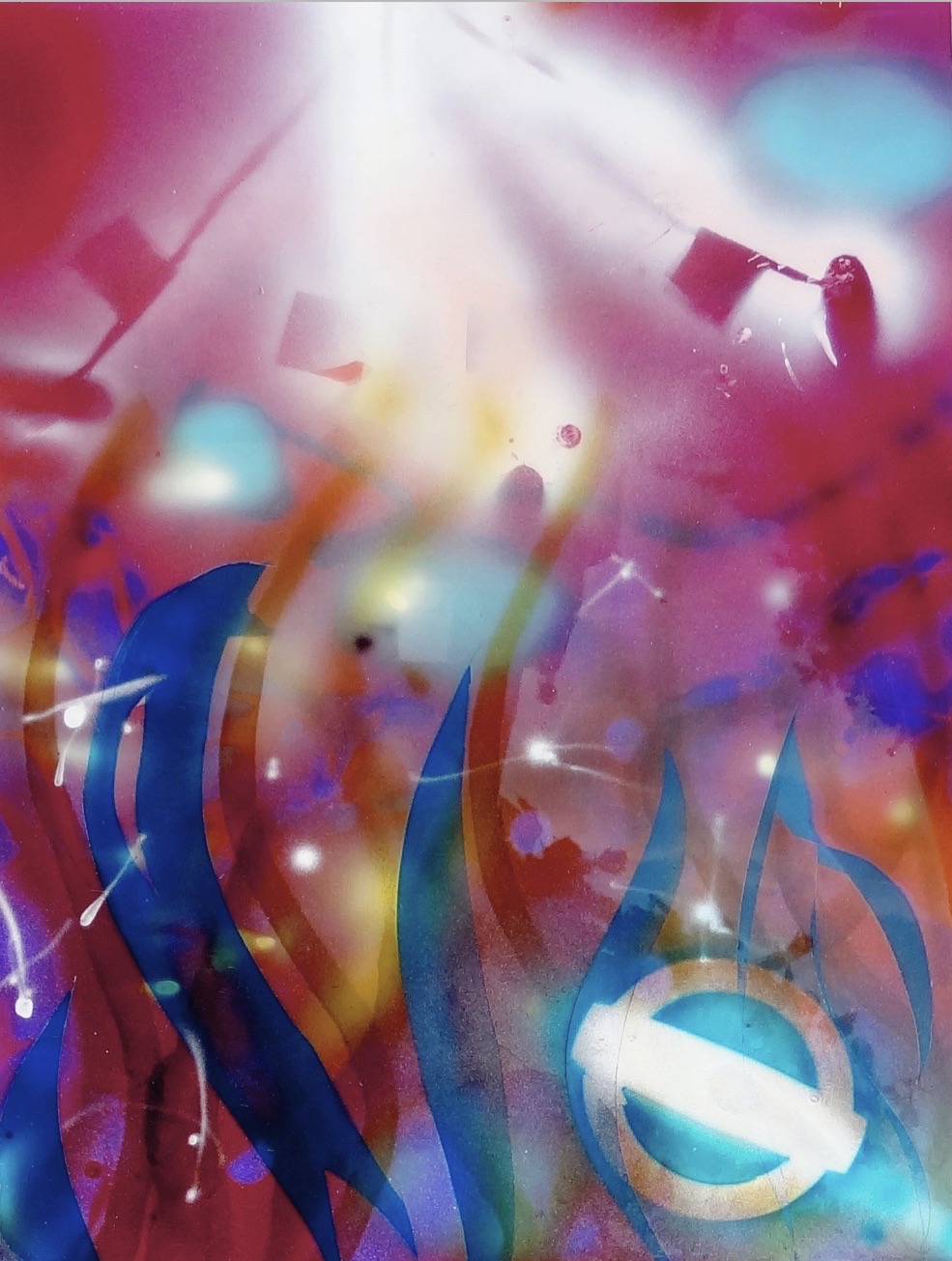
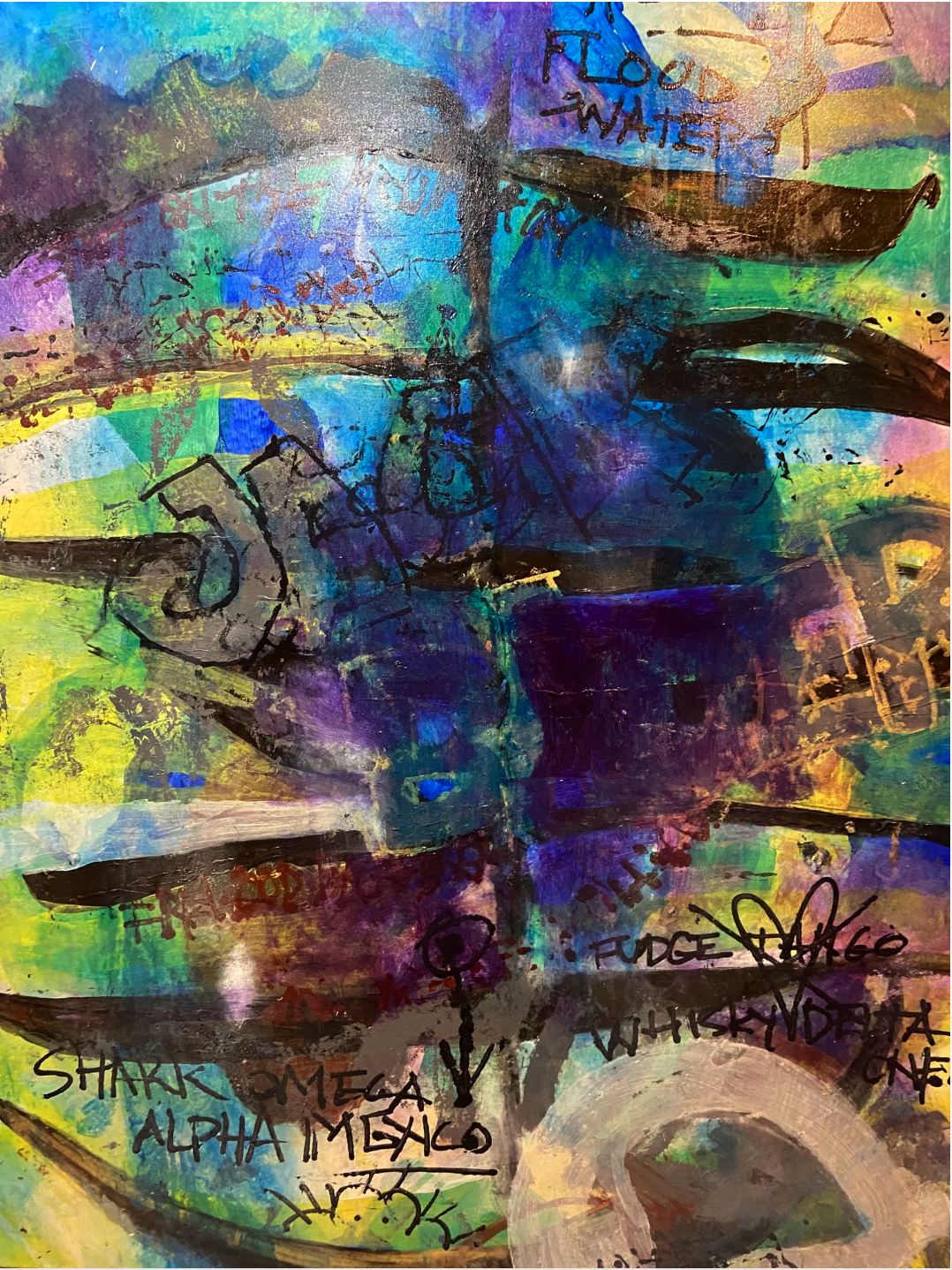
Then I start asking if he could own one work of art, what would it be? “How big of a house?” he asks me, “In this small apartment” and he pauses for a moment. “I saw a Francesco Clemente the other day that was freaking gorgeous, but it’s way too big for our apartment” he exclaims “Uh, geez, I gotta pick one work of art, some Camille Corot, some of those, Flemish landscapes, in the 1600s, with the seascape, like, a city with the ocean in the background, or the Mediterranean. The way they did the glazing and the lights”. We discuss the importance of narrative, “Uh, yes, in terms of a temporal sense, here’s the narrative. The viewer is the protagonist.” I asked Christopher what he considers his greatest achievement, I meant to ask in his career, and then he tells me “I had a couple of kids.” We discuss what he considers perfection, “A blank page or a blank canvas is its own perfection” he explains “So one could look at the act of painting as being almost destructive, because you keep on berating it and destroying it, until there’s almost nothing left to do. Sometimes, if you leave it, just before that last final stroke, it can, sometimes add the last little bit that can kind of kill it. And leaving a tiny little bit just shy of perfection can animate the whole picture, make it seem like it’s moving around. I mean, if you want to be esoteric, you could say that everything is perfect, and as it should be as it’s meant to be, sort of asking if God has a plan”.
Interview: Antoinette Haselhorst
©️ C-A-K-E Contemporary Art Keen Enthusiast Ltd. All rights reserved.
Excerpts permitted with credit and direct link. Full reproduction prohibited.