Joana Bernd
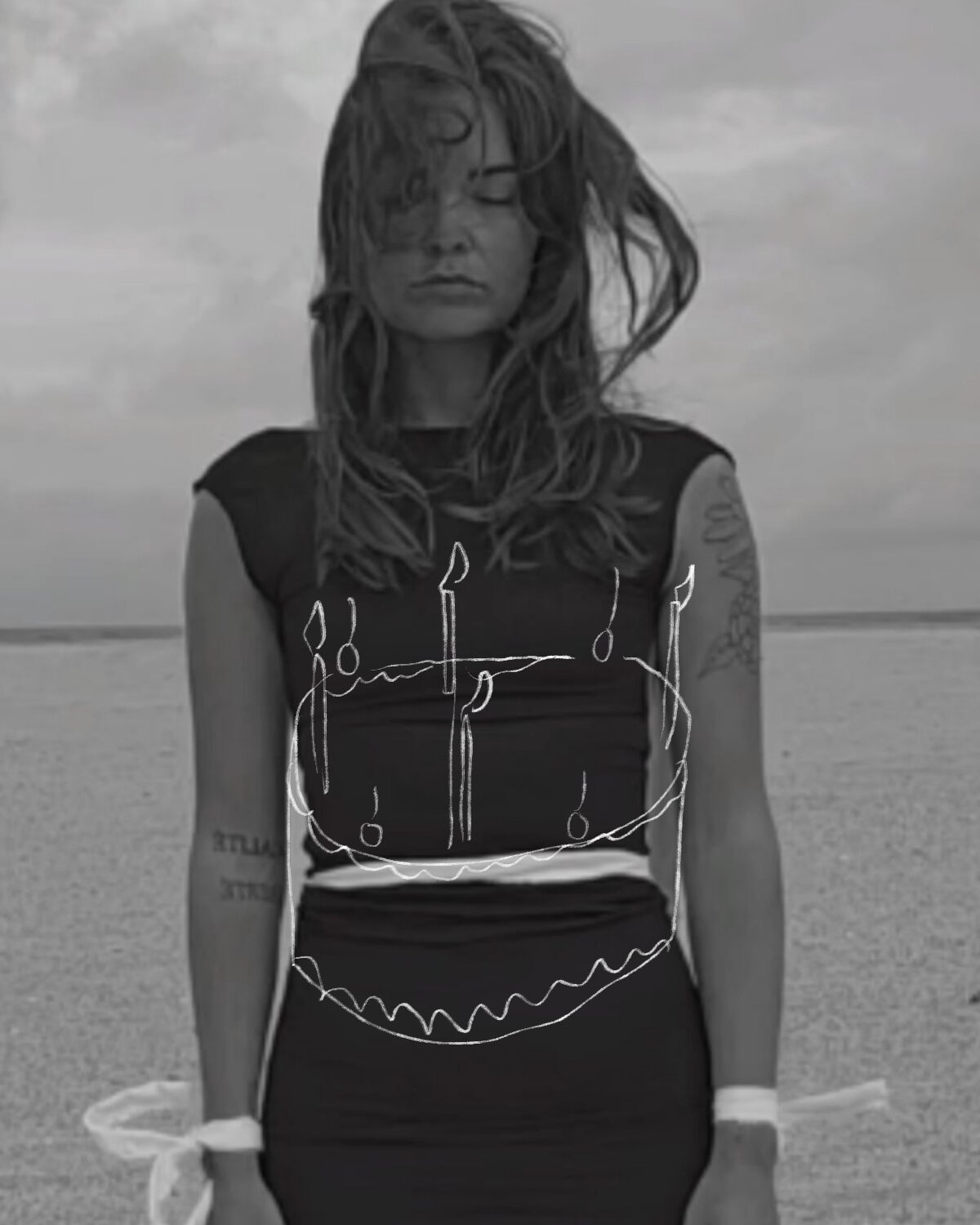
Sydney Suh talks to artist Joana Bernd about her Fluxus practice of “Art into life” using performance to engage physically with various material facets of her work.
The past year, I embarked on never-ending research tangents that attempted to make sense of avant-garde Fluxus practices. Long nights spent trying to interpret scholarly articles cultivated an infatuation with Kaprow’s notion of “art into life,” a tenet of modern experimentalism that characterized the second half of the twentieth century’s unbridled spirit for innovation and accessibility. Despite the strides that Fluxus artists made in rejecting the elitism of the art world, whether by refusing the commodification of their works, or by incorporating materials from everyday life in their pieces, I can’t help but sometimes arrive at an intellectual disconnect. From my time spent in institutionalized academic spheres, I’ve become all too familiar with the jargon and confusion often associated with avant-garde theory, some critical text will warp into a different version of itself every time you read it, leading you to question if it’s simply beyond your purview, or if the author ever fully understood the ideas they were working with themself. Even a concept as straightforward as “art into life,” an idea that prides itself on its widespread accessibility and interpretability to the average viewer, I have come to know as riddled with nuances that often necessitate an art historical background to be wholly appreciated. Precisely the reason that I was drawn to artist Joana Bernd was that her work simplified universal, quotidien experiences while expanding on the notion of art as an emotionally subjective representation of everyday life. Even still, finding meaning in her practice does not demand a theoretical framework or a preemptive education, as its didactics lie in its innate aesthetic sensibility. While her works remain complex and conceptually layered, they are also welcoming invitations for resonation and reflection. Yet her approaches remain wholly original, developing twentieth-century ideas of the avant-garde’s “art into life” with an added dimension that allows for art-making as an emotional response to environment, endowed with the ability to emulate the human experience.

Growing up in a small village in Germany, Bernd’s childhood was characterized by constant interaction with nature. Surrounded by vineyards and forests, she notes that her and her siblings spent most of their time outside, often identifying flowers with encyclopedias or building dams in streams. From a young age, encounters with nature informed her innate desire for self-expression, which she notes is “interwoven into the human soul” and present in the lives of most children. Attending university in Hamburg for her undergraduate studies, Bernd specialized in textiles. While the majority of her coursework involved learning technical skills, she often participated in painting sessions that were administered as unrestricted creative explorations. At first, the sight of a blank canvas intimidated Bernd. She noted that this apprehension spoke to her unresolved feelings toward her legitimacy as an artist. Despite her initial clash with the medium, a professor encouraged her to experiment with watercolor, a now essential part of her practice. It was only much later that she turned to an interdisciplinary approach, spurred by the absence of a studio, conventional materials, and other art-making facilities.


In 2022, Bernd and her partner planned to move to Cologne, but eventually opted for a nomadic lifestyle instead. Distance from the expectations of the commercial art world allowed Bernd to separate herself from traditional forms of art-making, such as painting and sculpture. Without proper studio space, Bernd began working with her surroundings, relearning to appreciate natural environments and the potential to involve them in creative expression. She recalls a memory of standing on an abandoned beach in Portugal greeted by the vastness of the landscape before her. At the time, Bernd struggled with recurring panic attacks, which she eventually quelled by residing in rural environments disconnected from urban life. She notes that existing within these settings instilled a renewed sense of balance, grounding her in something “greater than herself.” This led her to embark on a series of land art pieces, many of which involve installations in natural environments that incorporate performance. However, when asked if Bernd considers herself a performance artist, she replies that the medium is purely a method of exploration for her. She regards performance as a vehicle that cultivates intimacy or closeness with her surrounding environment, as it allows her to focus on her relationship to the earth beneath her. Rather than using performance as a definitive output, Bernd states that she works with “fragments” of performance art, which lend themselves to an interdisciplinary approach that transcends categorical binaries.


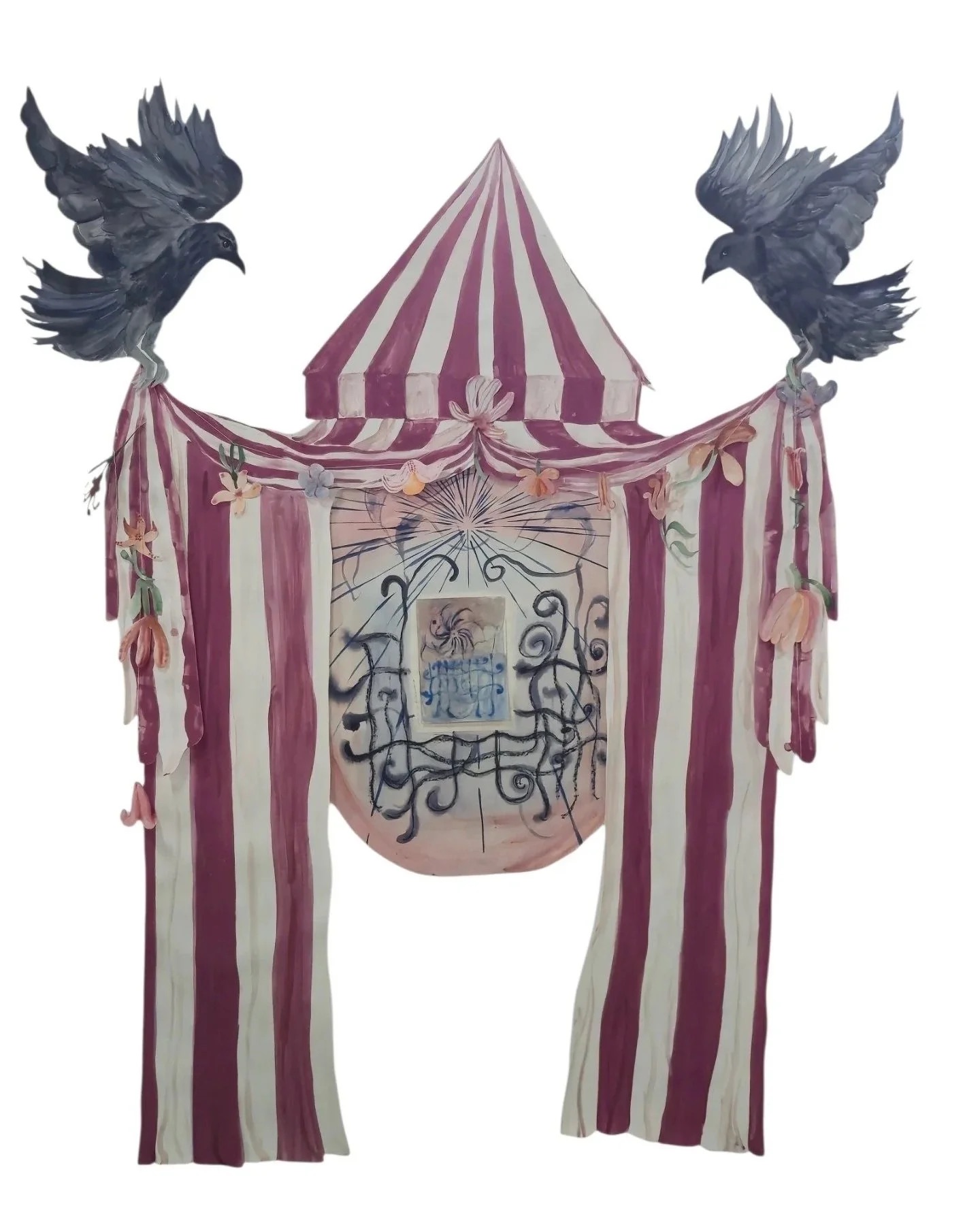
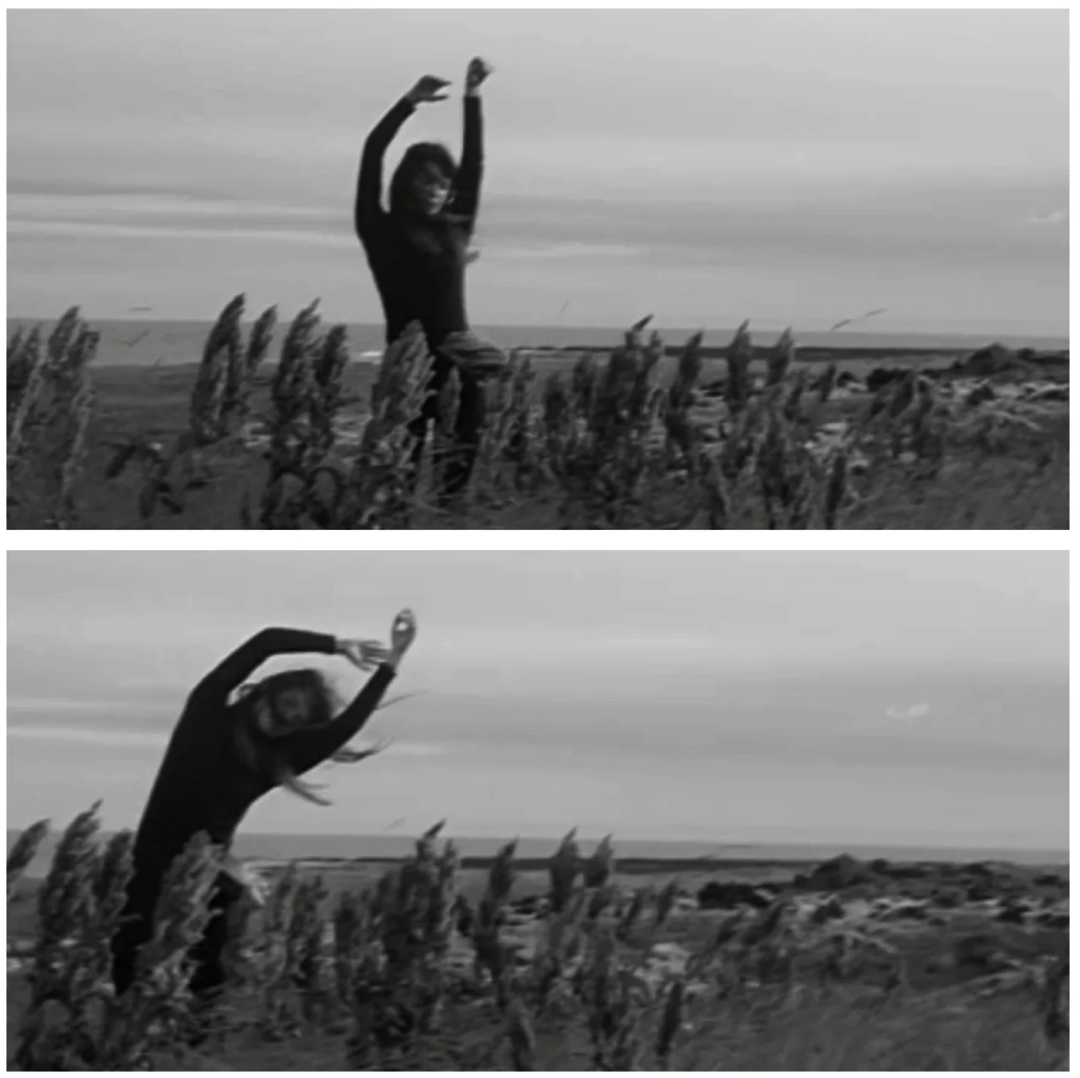
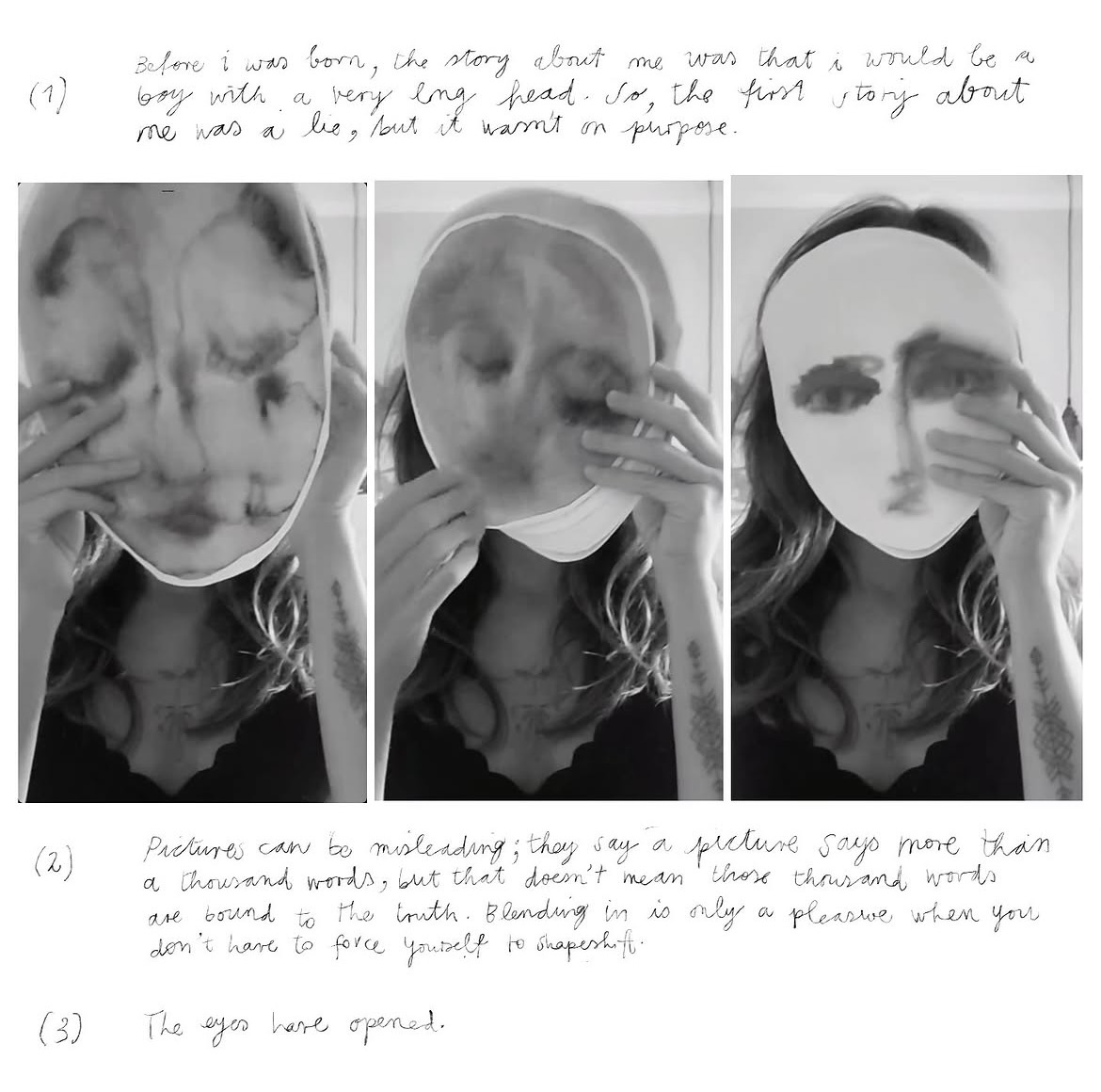
Beyond her formal and conceptual choices, perhaps the most alluring facet of Bernd’s work is its tenderness. In being attentive to the visual characteristics of a particular environment, Bernd provides insights into her mindscape and artistic approach. Often, she employs natural and found objects, transforming the ideas that inform her work into tangible representations, a process integral to the “art into life” framework. For example, arranging a spiral of shells and tracing their outline with her footsteps or imitating long grass blowing in the wind through bodily form in a video performance offers a careful attention to detail of ordinary phenomena. Moreover, Bernd continues to take this a step further, using her ability to endow aesthetic sensibility with axiomatic truths that accompany realizations of beauty and splendor in the mundane. Observing these commonplace events from her own creative disposition, Bernd constructs intricate narratives through referencing materiality and process. Often, these present themselves in artists’ writings that accompany a visual documentation of performance, such as in Cocoon, a multimedia installation composed of a hanging apparatus made from wire, cotton thread, hand-painted paper, and objects like candles and marbles. By using performance to engage physically with various material facets of the artwork, Bernd acknowledges the amalgamation of memories that shape the “fragile layers of human experience,” a reflection integral to the development of vulnerability and nurtured sensitivity.


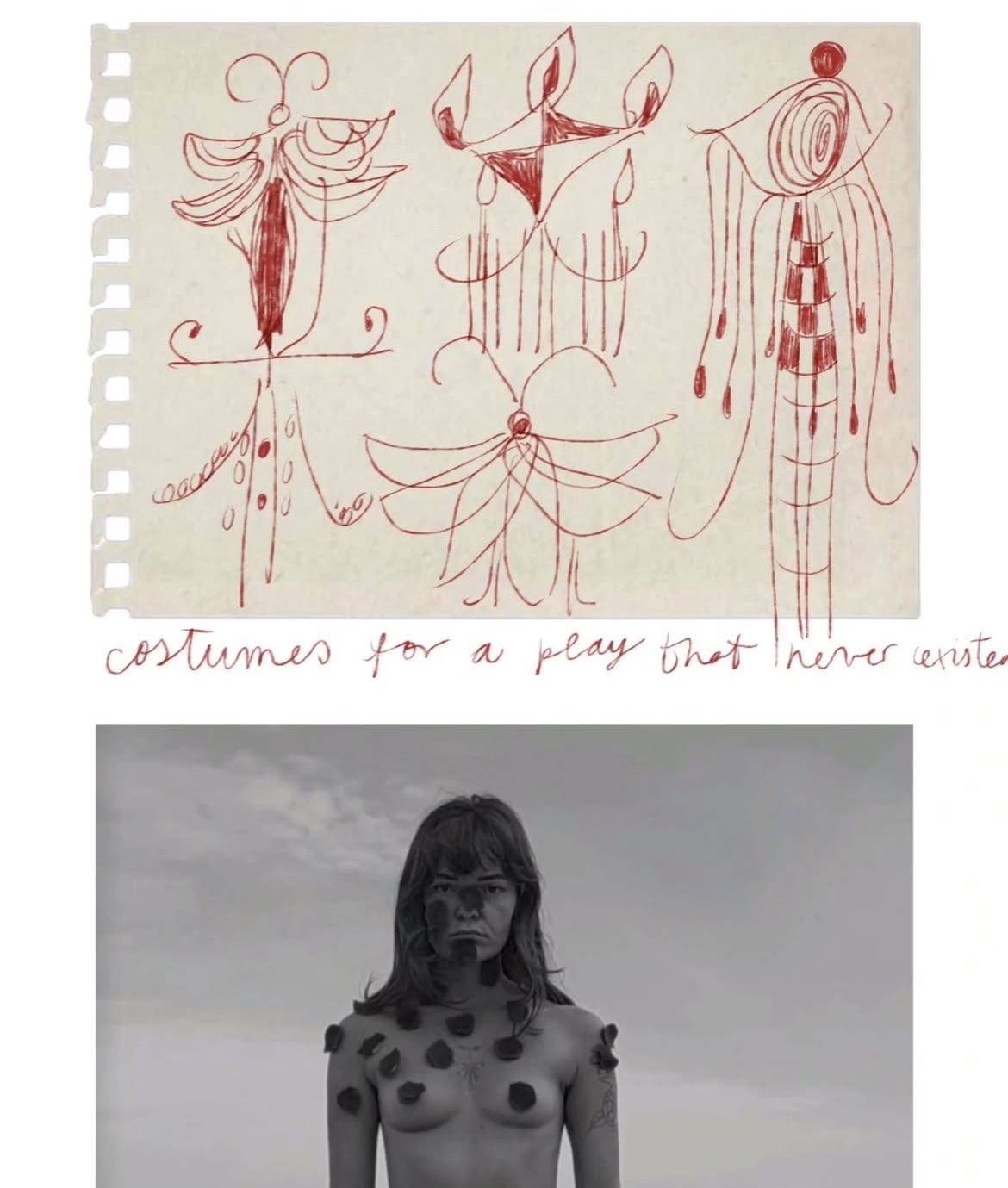
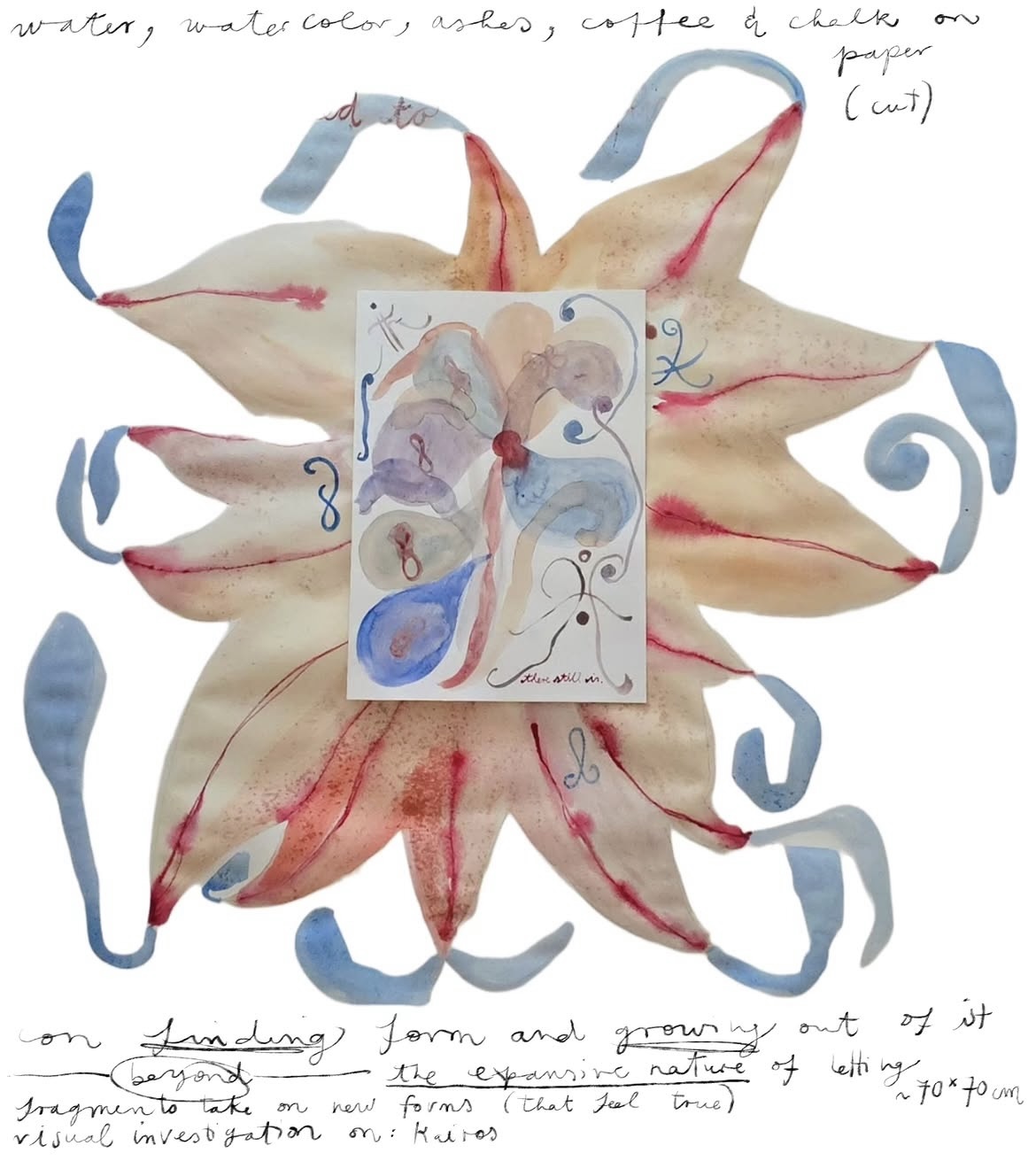
A similar type of fluidity remains prevalent in Bernd’s creative thought processes as well, enabling her practice to respond to pertinent social issues. In addition to portraying quotidien experiences by employing familiar landscapes and found objects, she invites her own imagination to shed light on their significance. With an interest in imaginary worlds, Bernd allows herself to interpret day-to-day occurrences as signs, deciphering commonplace scenery or items as representations of interconnected systems of being. For instance, a feather “could be a pen, and that pen can write an entire river and (one) could tell it their wish for the world; or it could be a pen that writes a poem in the wind.” From this perspective, Bernd describes her works as “forthbringers,” relinquishing the idea that all worldly happenings must be taken at face value. This approach is particularly visible in State of Woman, a multimedia work that implements performance, installation, and video, which Bernd refers to as a “spatial exploration…between stage and set design.” Basing her work on the imagery of a dollhouse, Bernd constructs four sets on an abandoned beach using ordinary objects, such as bamboo sticks, laundry lines, and stones, meant to signify a bathroom, bedroom, kitchen, and living room. The seventeen-minute video performance aims to create dialogue around widespread practices of unpaid labor performed by women and girls globally, which “sustains economies while limiting women’s access to education, rest, and agency.” Ultimately, Bernd transforms the benevolent dollhouse motif, which often evokes the safety or sacredness of the home, into a site of resistance, using performance to investigate the condition of womanhood inside a patriarchal structure within the domestic context.
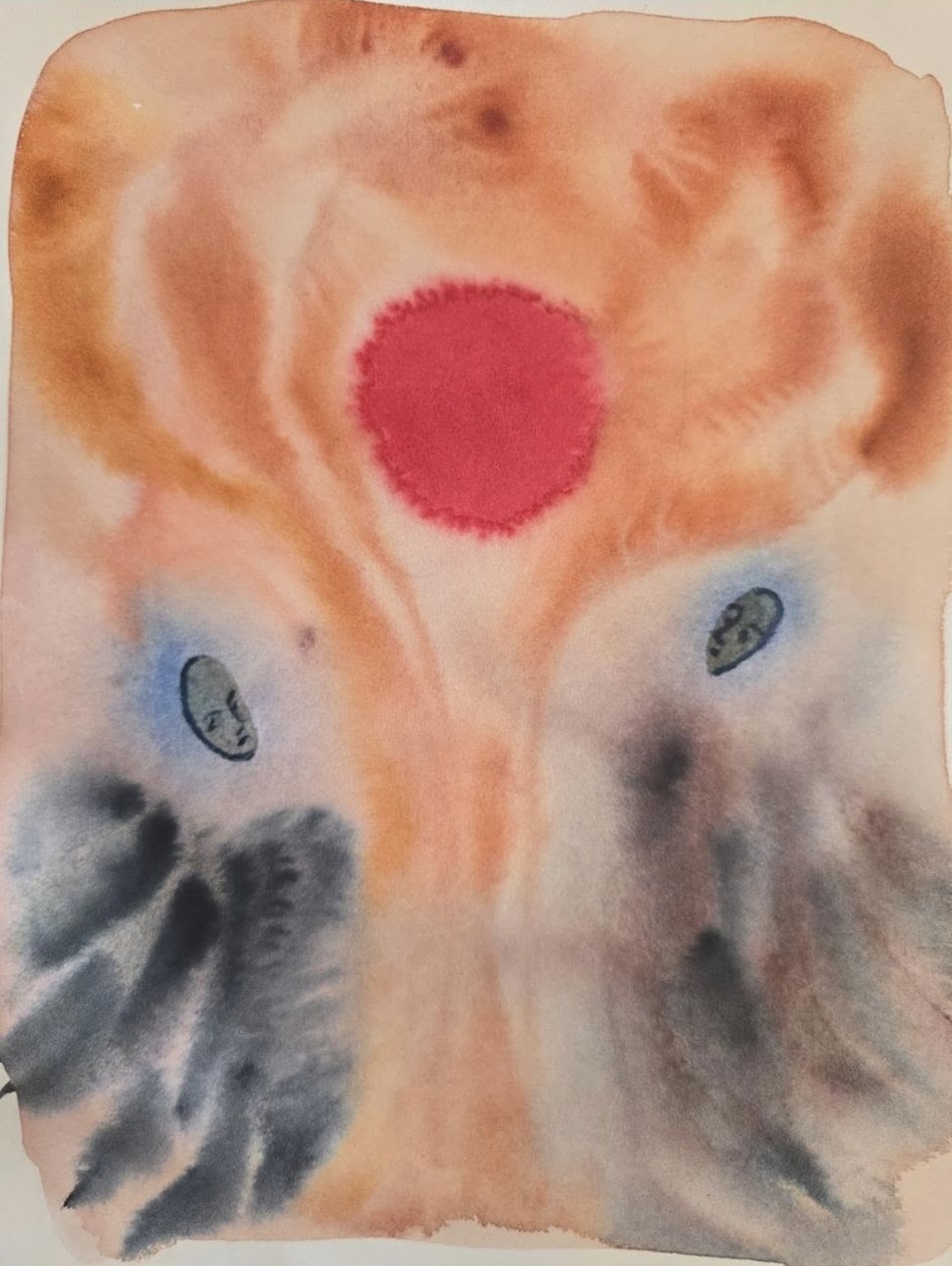
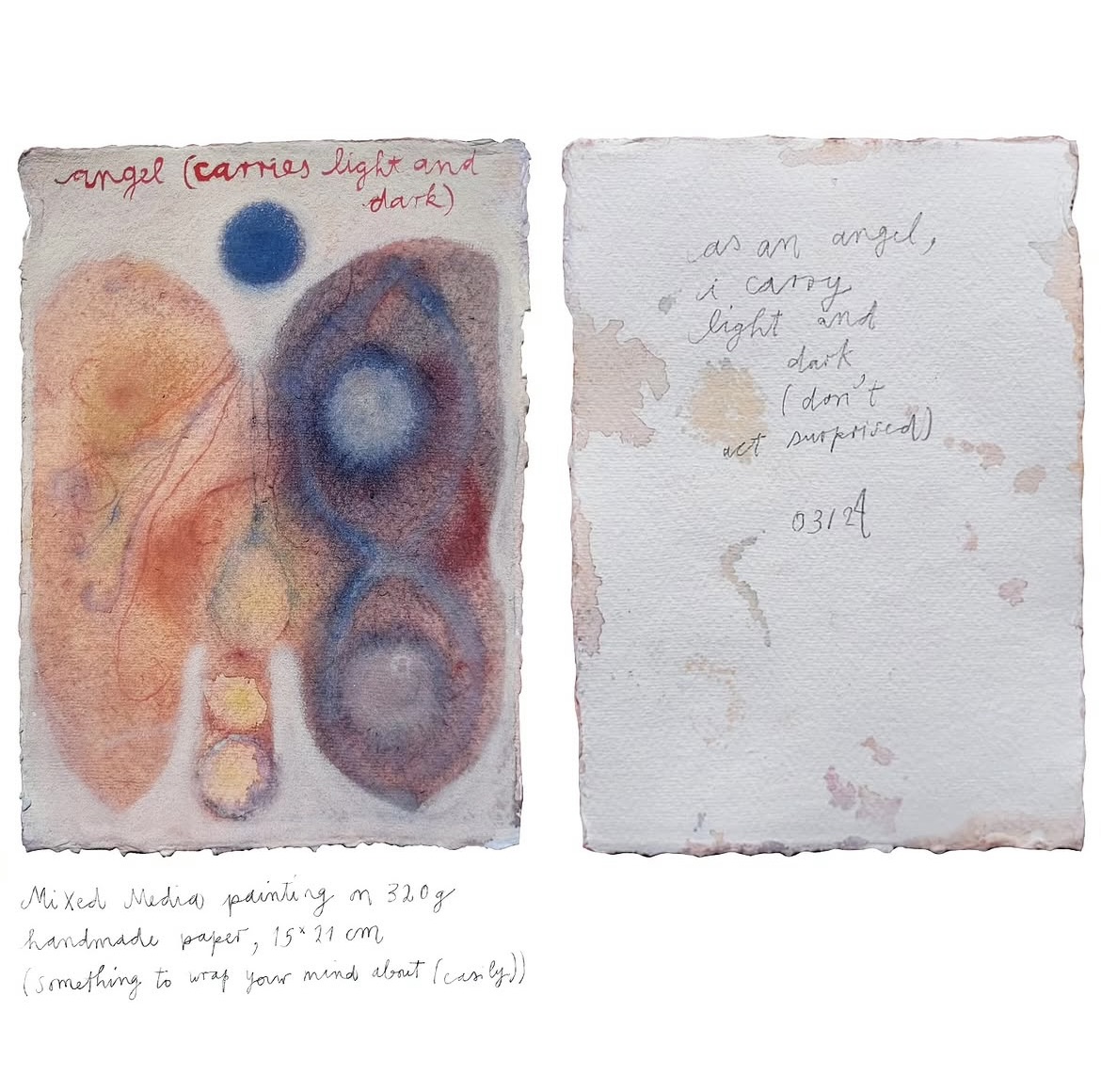
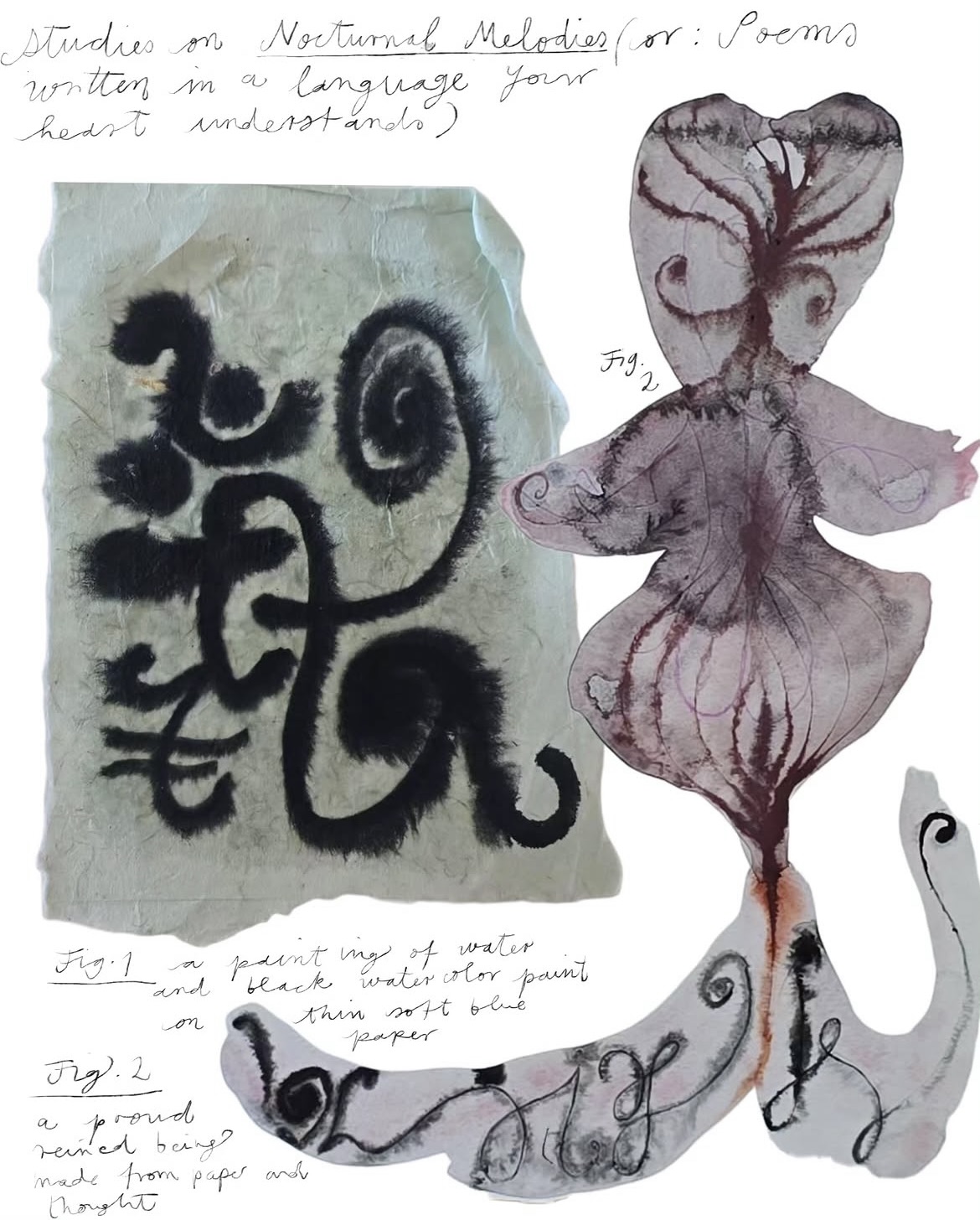
Bernd continues to explore themes that relate to cycles inherent to the human condition. Currently, she is investigating themes of grief, mourning, and helplessness. In considering immanent aversion to grief, Bernd recontextualizes the emotion as fundamental to the subjective conscious experience. With an unwavering commitment to emulating the nuances of lived reality, Bernd invites viewers to shape the meaning of the works themselves using personal approaches informed by intrinsic emotion. Ultimately, Bernd reframes art into life, encapsulating the subjective yet familiar experiences that occur in response to ubiquitous phenomena.
Interview: Sydney Suh