Helen Masacz
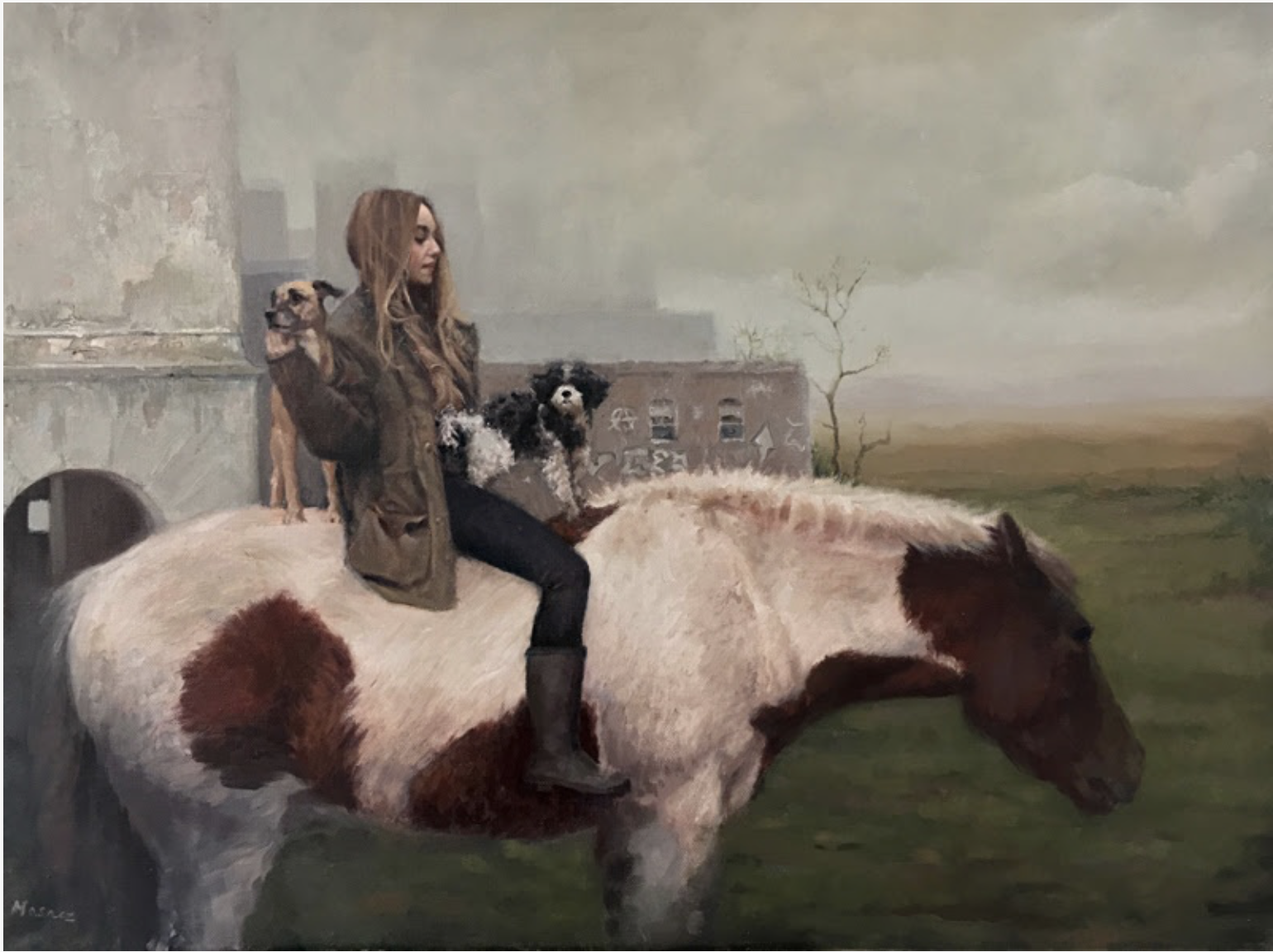
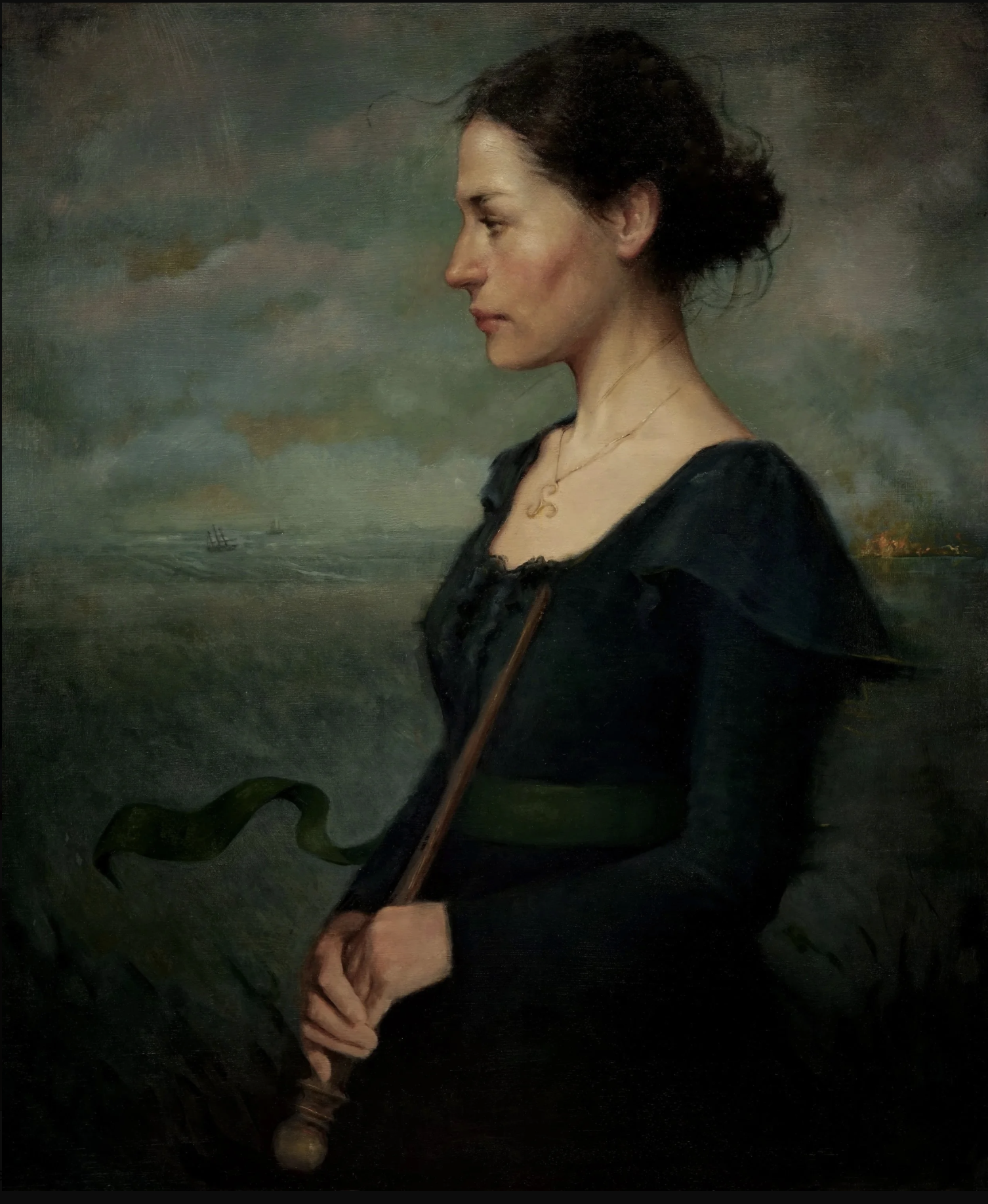
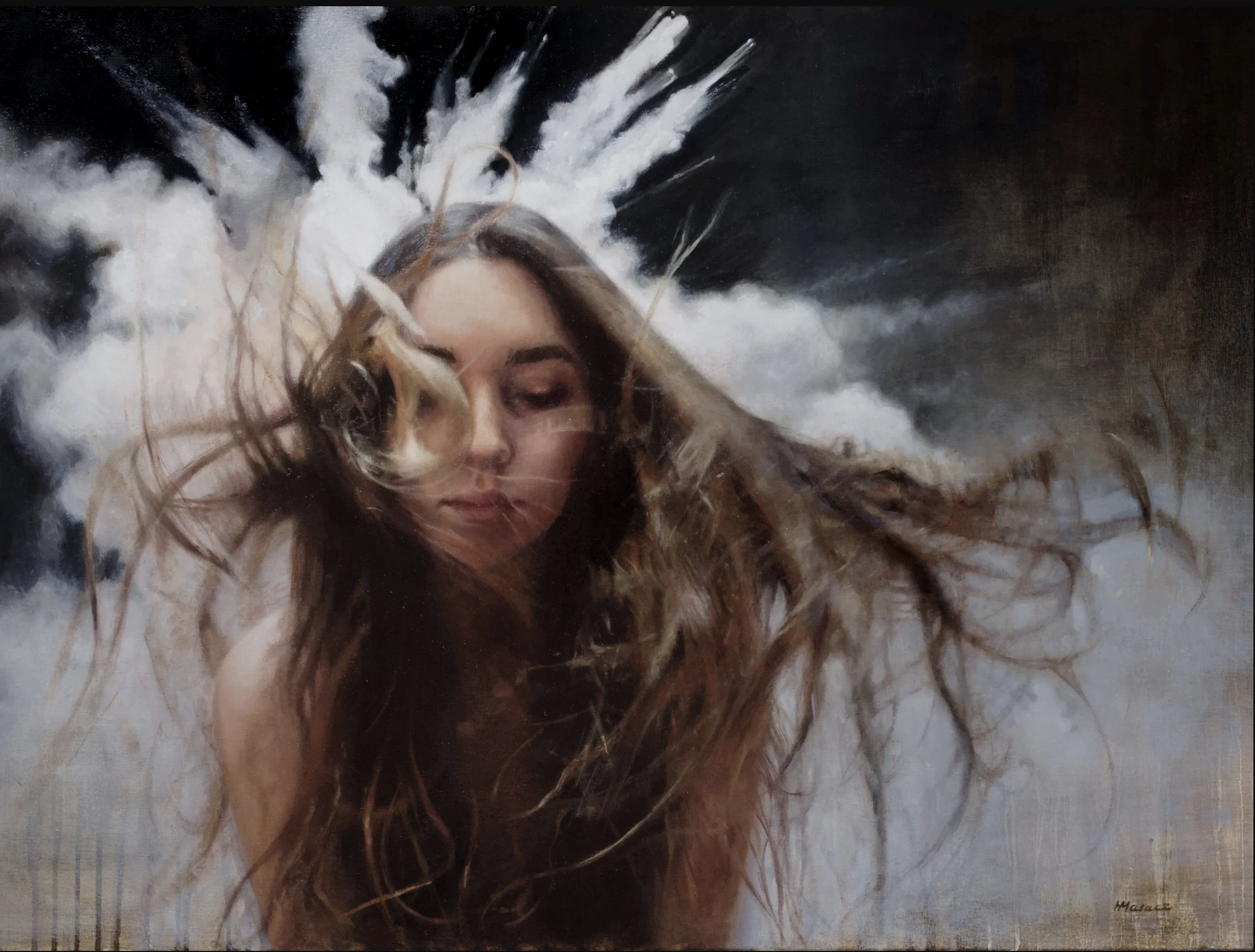
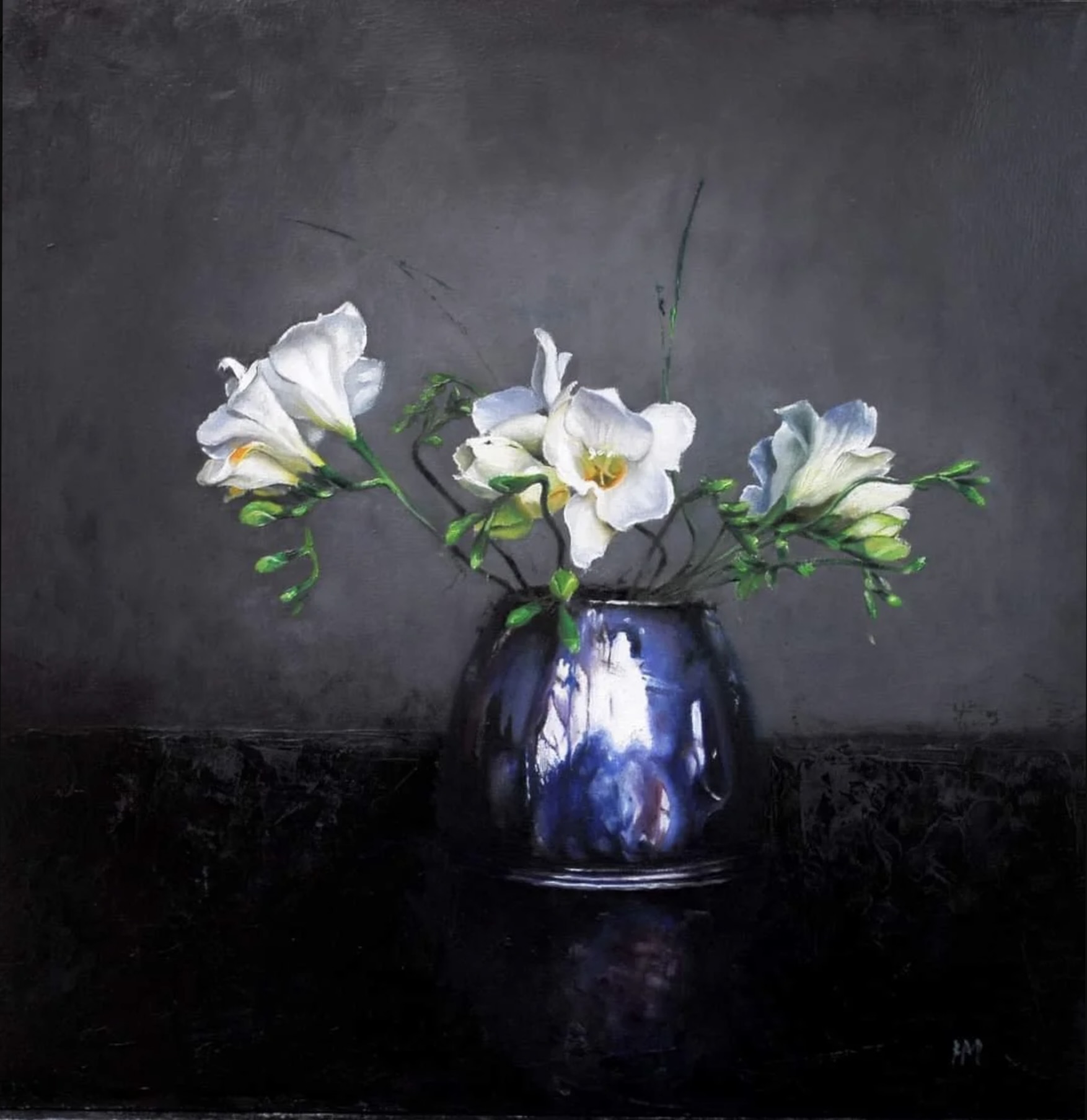
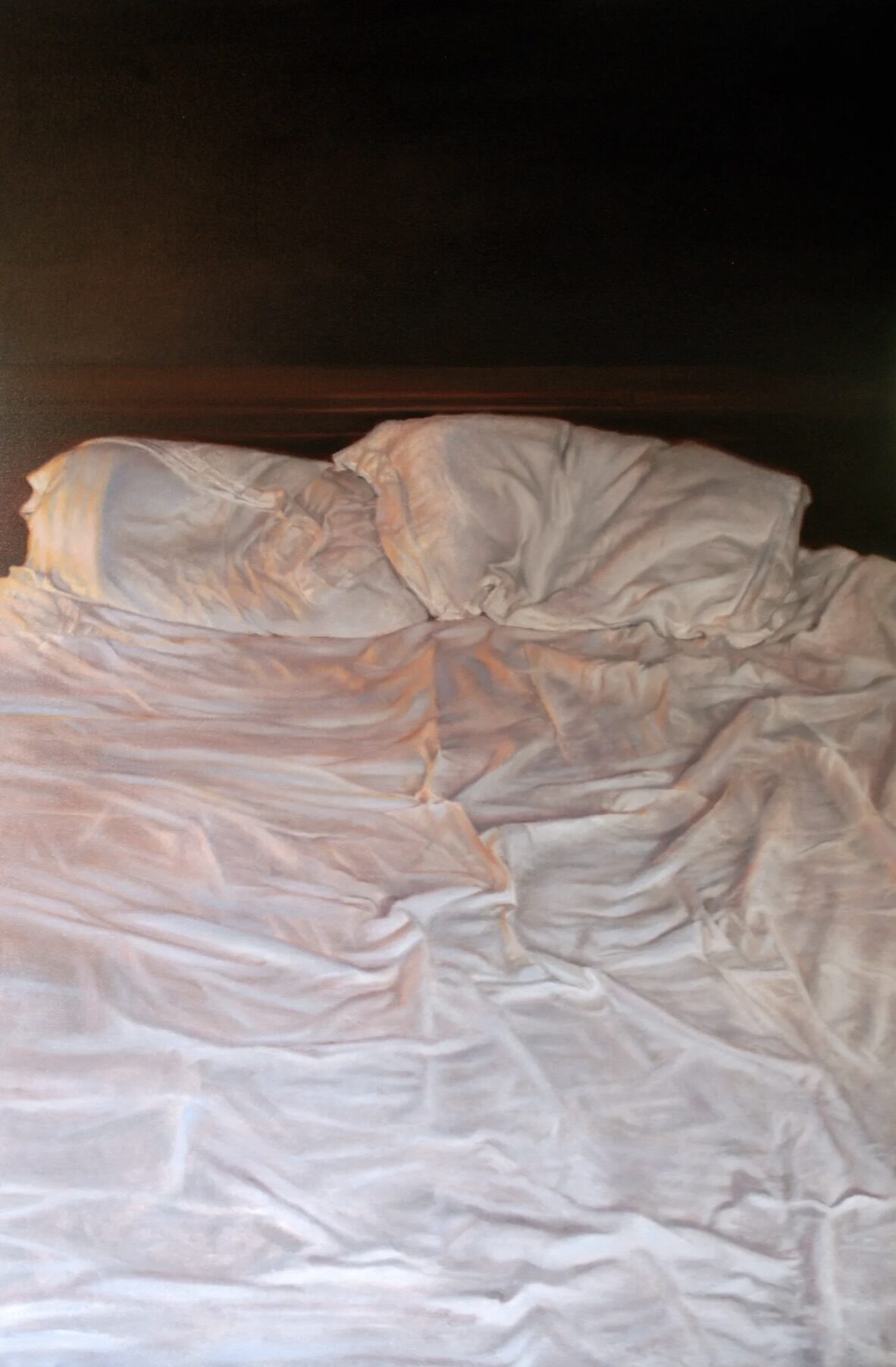
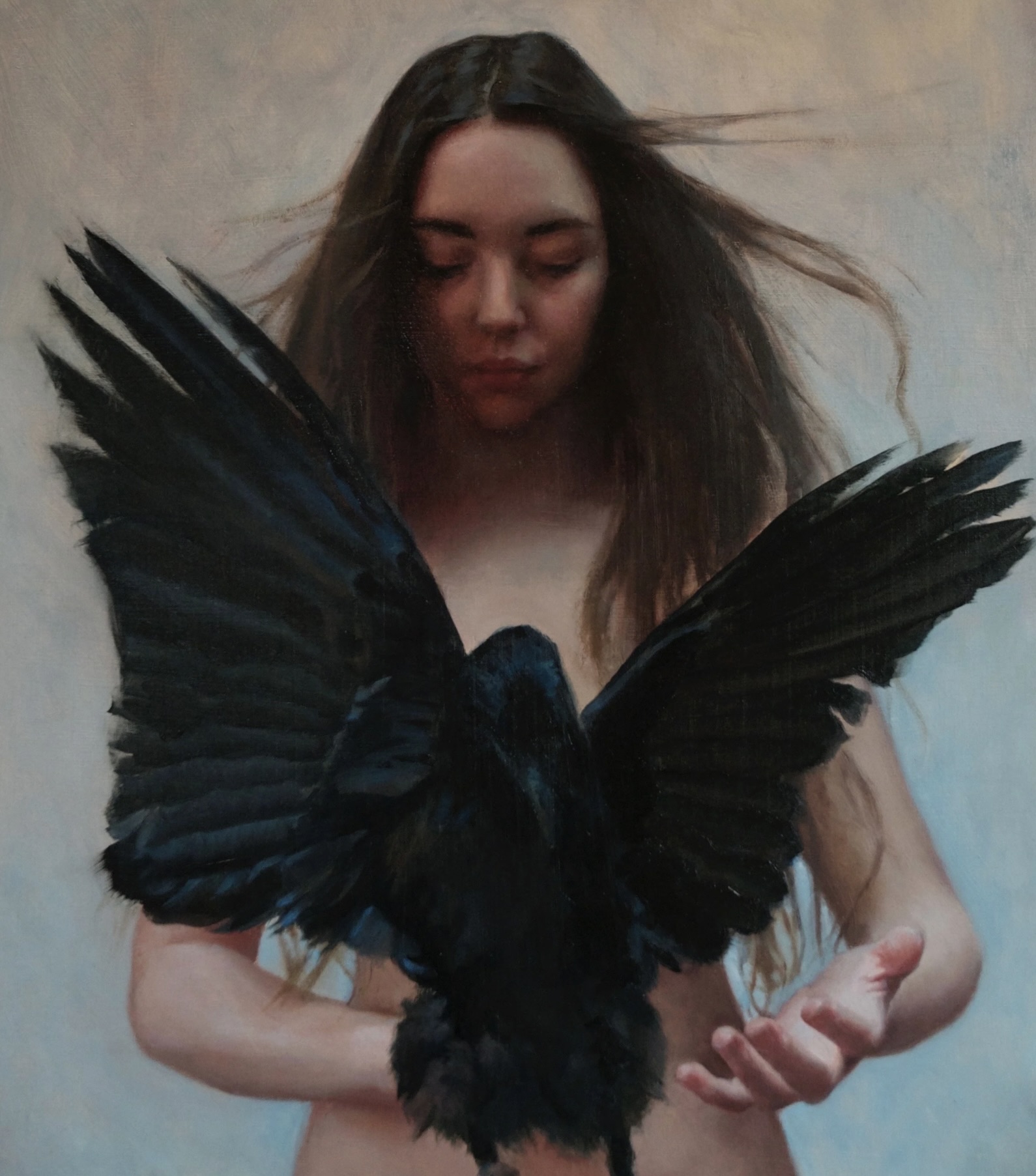
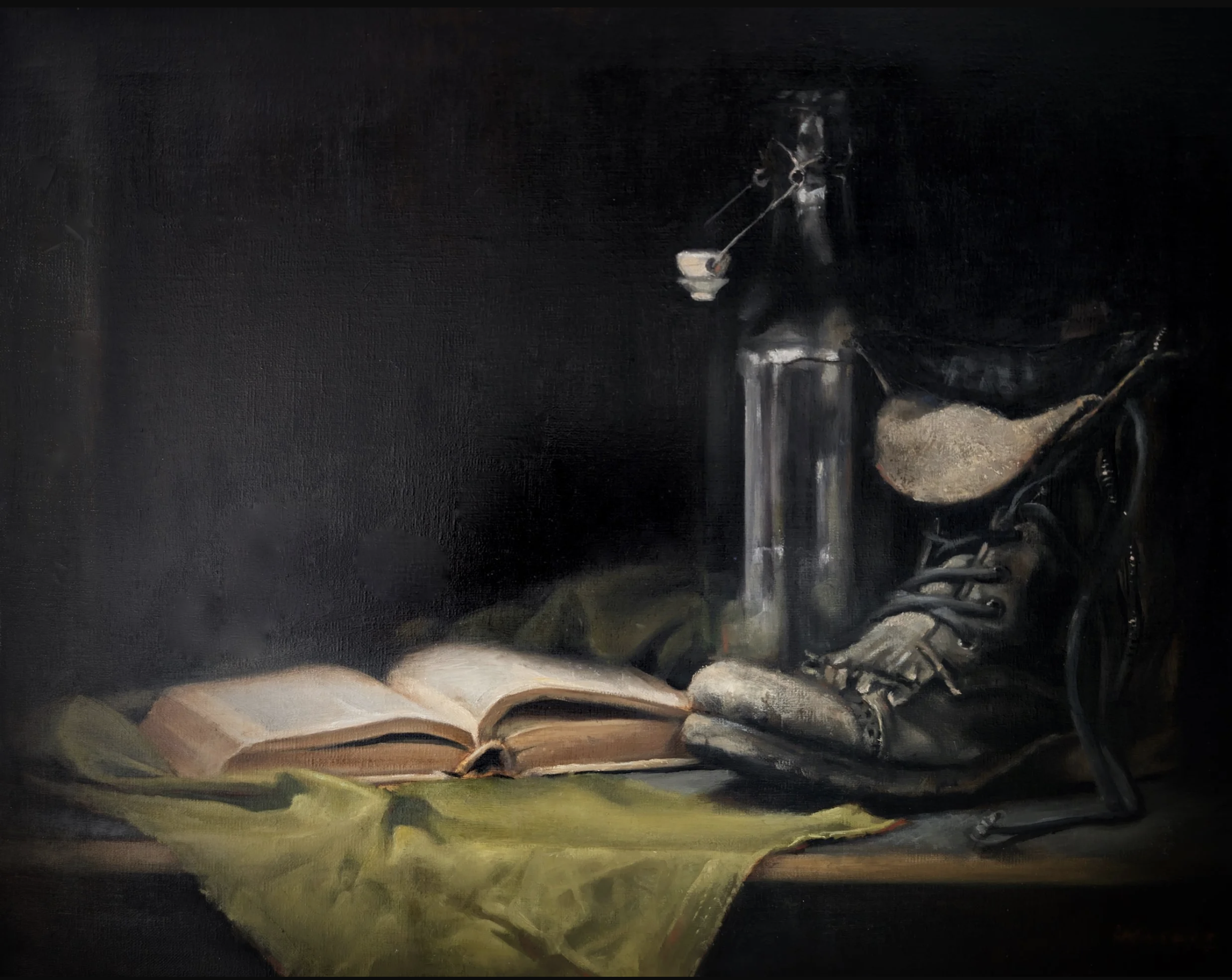
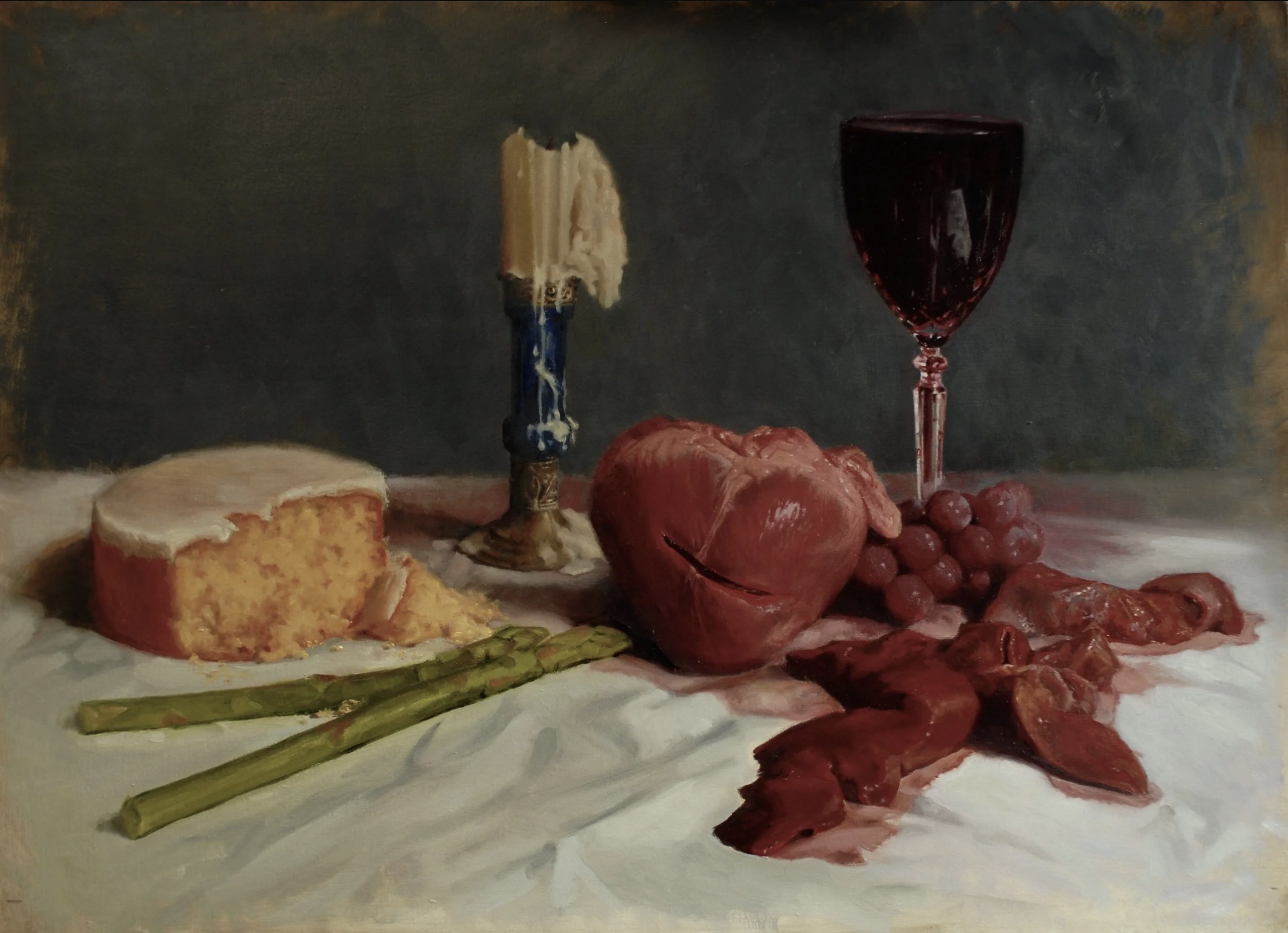
Helen Masacz has an audacious technique and approach to her compositions. As a highly accomplished draftswoman, she depicts a realism and innovative outlook to modern life with breathtakingly original compositions. Her personal use of light and her brilliant handling of the paintbrush, whether expressing the psychology of a domestic scene, such as an unmade bed, a still life with a human heart, a woman embracing a lamb, or a girl with her pet crow. The nostalgia is reminiscent of a Jane Austen novel, with a dark and brooding psychology, all the while reflecting a modern view of feminism, the anecdotal details of strength, wildness, vulnerability, tenderness and the macabre. The paintings are beautifully executed with attention to lighting, poetic compositions, and great meticulousness and a search for a new realistic language in response to a new morality towards women and female artists. There is an influence of 17th- century Dutch art. The arrangement of the objects adhere a rigorous composition, with clarity and simplicity, all the while Helen employs a palette of warm, earthy and contemplative tones with contrasts of light and shade. The techniques that she employs, as a contemporary painter make her stand out as an artist in 2026 with powerful narratives that are profoundly compelling.
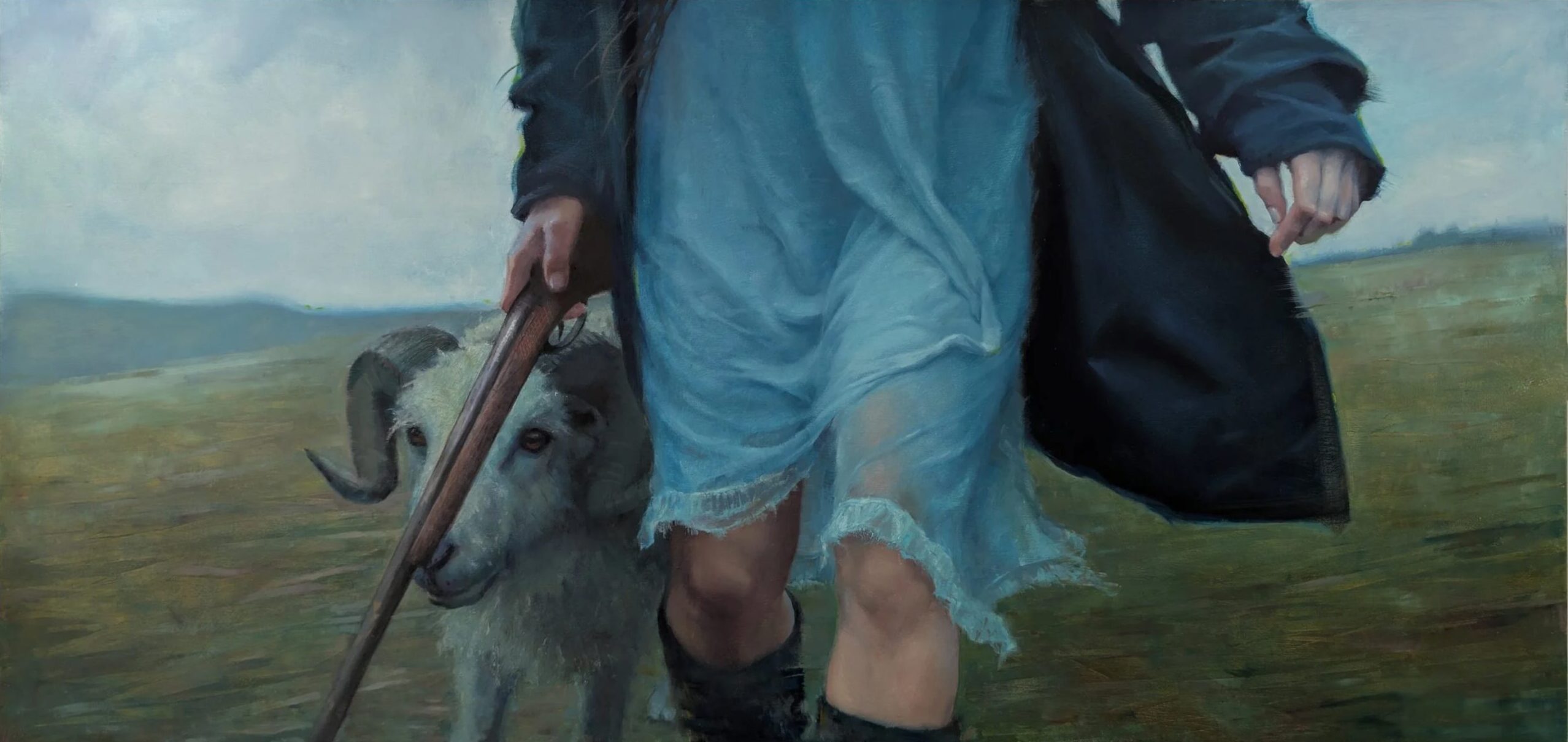
Masacz upcoming exhibition Anima- Occupying Space at Zebra One gallery in Hampstead, 22nd October – 5th November 2026, explores Carl Jung’s models symbolising the inner feminine element of a man’s unconscious mind, in contrast to Helen Rosenau’s female expression. This prompted me to ask Masacz how she believed her upbringing impacted her art, as she has such a powerful narrative. “I think there’s a definite sort of moodiness and atmosphere in my paintings” describing how she just likes to have an atmosphere in her work. “A bit of drama, I suppose, because that’s how my childhood was like. It was quite traumatic” she explains “And not always good, and sometimes in a quite bad way. So I think it probably feels like maybe art is more like a therapy as well, because you’re using your subconscious for things to come out onto your canvas” she explains. “So, my best idea is when I wake up first thing in the morning. And it’s obviously been percolating somewhere in my head over the course of the night, and it just sort of just appears”. She gets very excited, she doesn’t want a generic, pretty postcard, sort of painting. “I want something that tells a story that’s got depth to it, and that’s why I like to have a narrative.” She thinks it’s quite important. “I think it probably helps me sort out what’s going on in my head. I think it’s a therapy”. That is almost her way of being and feeling calm, “When you’re in the middle of painting, you don’t think about anything except for the painting. It’s a therapeutic way of living”.
Helen was born in Hammersmith, London. “I was institutionalised at the age of three,” she explains, along with her twin brother. She didn’t have much contact with her mother but, she did with her father. “In fact, my paternal grandmother eventually adopted us”, and although they resided in two separate boarding schools until she was 18, they spent the holidays at home with their grandmother. “Although very loving she was quite old-fashioned,” Helen tells me. “She was born in 1901, I sort of could see the difference how my twin brother was treated compared to myself. I was more protected, my brother had more freedom to do stuff that I wanted to do, but I wasn’t allowed, because I was a girl,” she tells me. “It was, you know, that double standard thing, that’s always sort of stuck with me. I was desperate to see Led Zeppelin when I was 15 in Knebworth, and, of course, my brother was allowed to go, and I wasn’t, and we’re exactly the same age” she explains. “I suppose that’s why it sort of enters my work quite a bit even now, it’s all relative”.
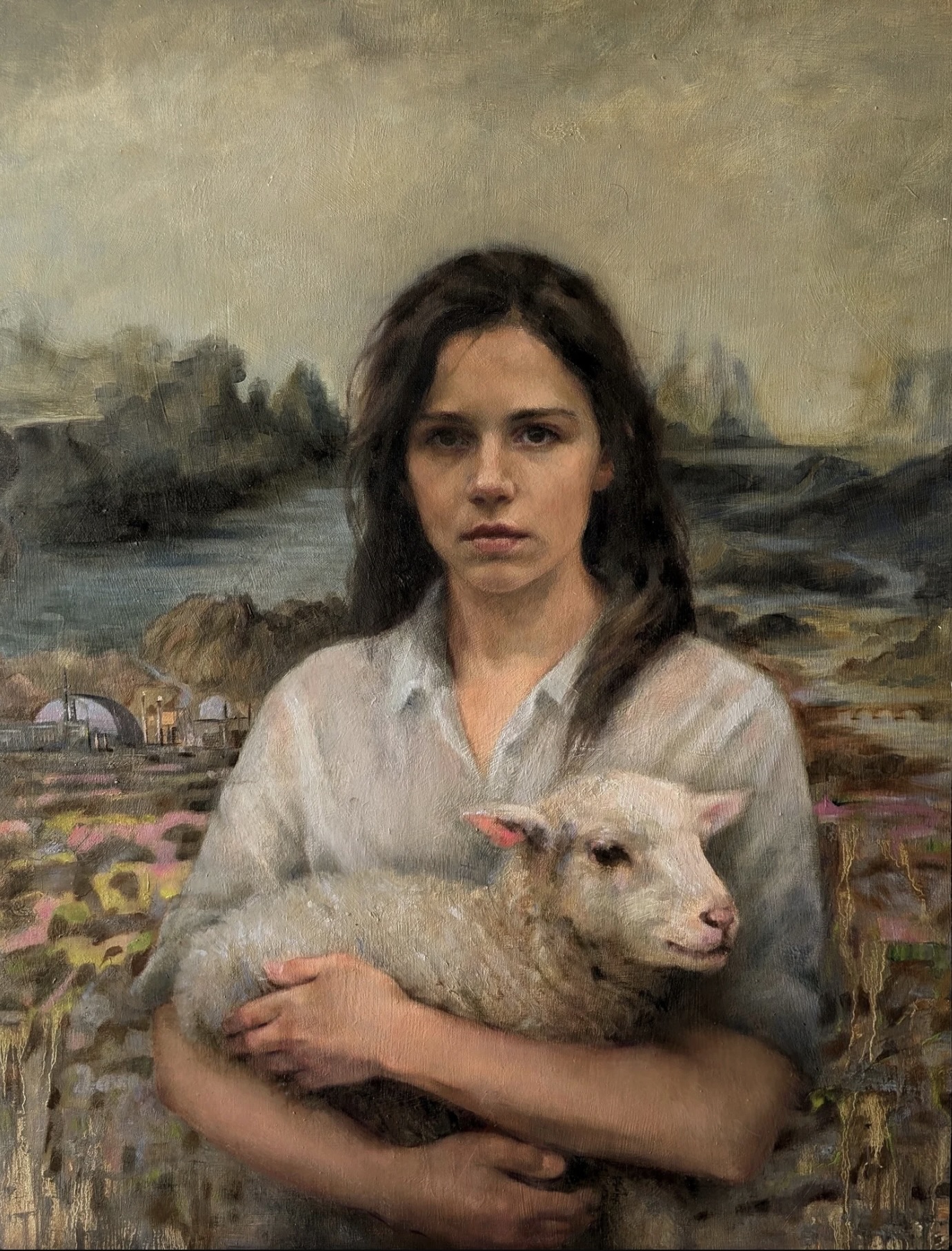
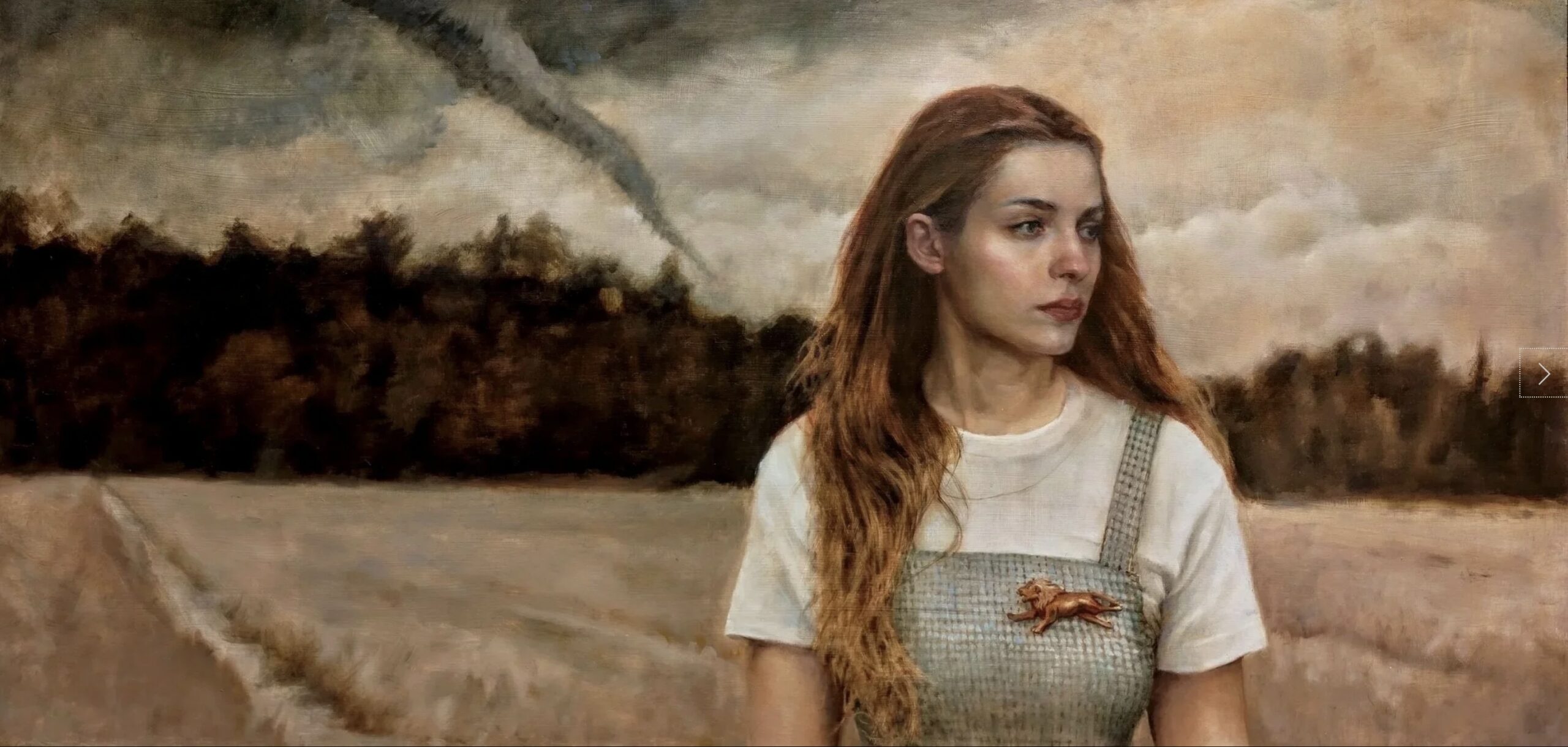
“There’s this book that I came across a while back by Helen Rosenau. She wrote a book on Woman in Art: From Type to Personality, I used that lot in my work, her theory.” Rosenau was an art and architectural historian. “Basically, she was saying that the patriarchy in art is about the male gaze, that they set us up as being looked at in a certain way” Masacz explains .”That the whole patriarchal art system, it should have been dismantled and started again, so that women can be portrayed by women, and men in a realistic way, not in an archetypal way, like a typical housewife, or a mother” Masacz explains. “Men in paintings have predominantly been portrayed as having personalities”. She reminds me of the artist Mary Cassatt, one of the first feminists. She ousted traditional artistic conventions by depicting women as autonomous, intellectual individuals engaged in modern pursuits rather than passive objects of the masculine gaze. “There’s a painting that she did, an old lady in the painting, (Reading Le Figaro – 1878) she’s sitting down reading a really intellectual paper, that was Mary Cassette’s way of showing that women could be intellectual, too. It’s not just men being intellectual. There is a code in there, that you just have to sort of unwrap”.
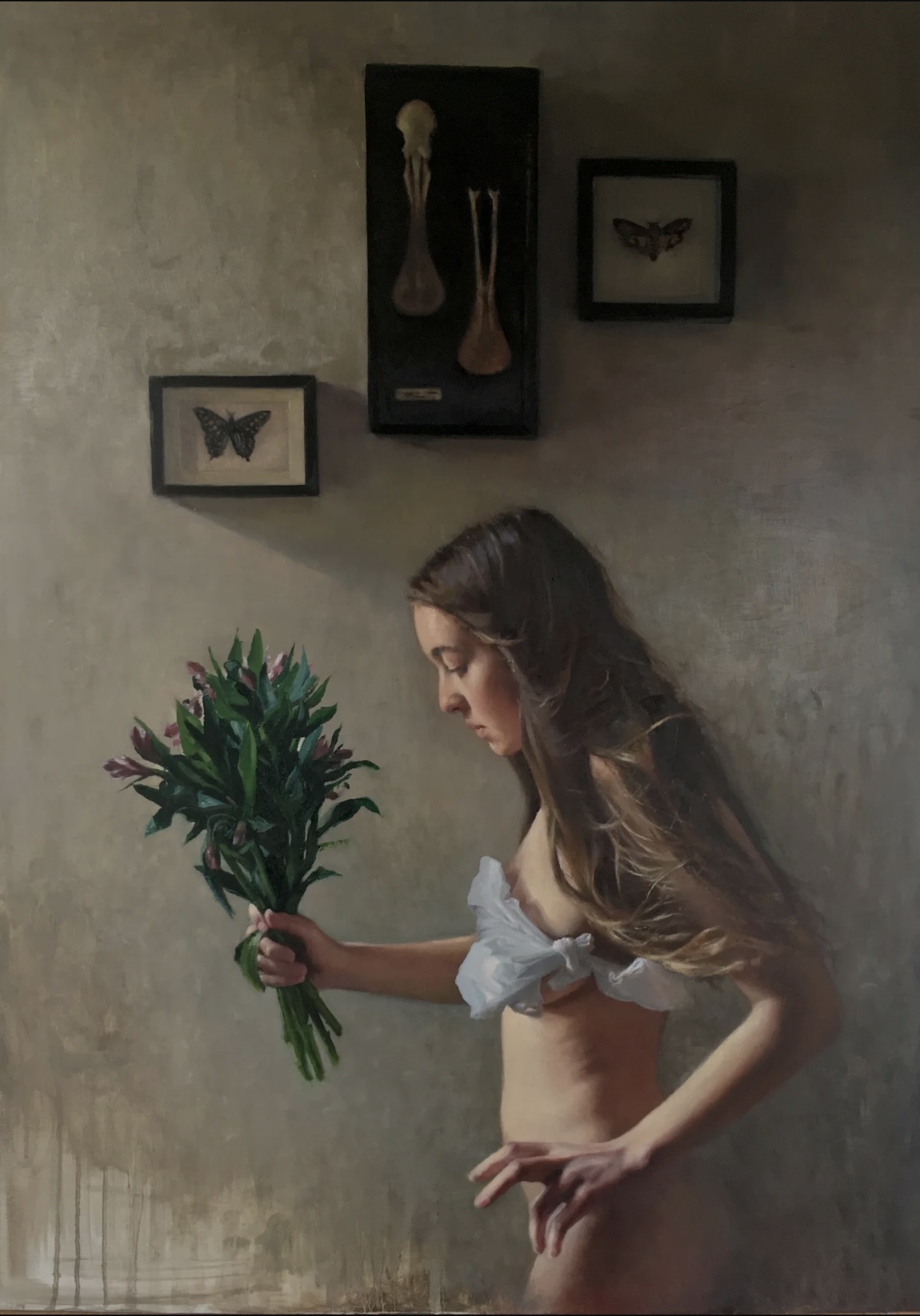
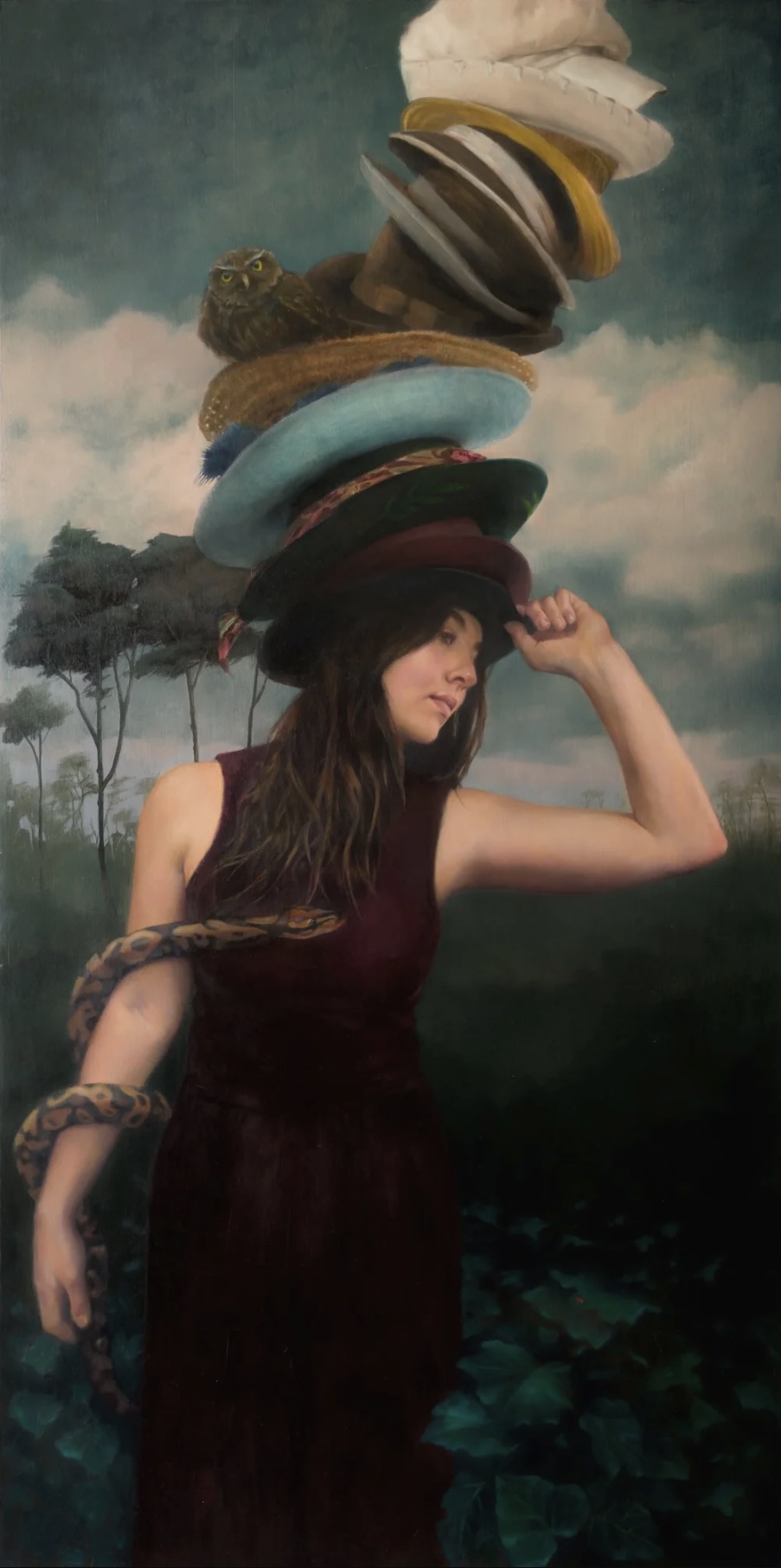
Helen knew that she could draw from a very early age. “My grandmother, used to always take us on holiday, and I remember one year, I drew all the seven dwarfs from the Disney films. I must have been about six years old, and everybody remarked” she tells me. She describes the praise “Oh my, that’s so good, Helen! They are exactly like the cartoons, so I was pleased with myself”. She enjoyed it and found it easy. “When I went to school, I had a fantastic art teacher called Mrs. Cubit” she tells me. “She was the only one who supported me, because I was a bit of a wild child, quite naughty.” For Helen the next stage would be art school, to start a foundation in Fine art. However, she needed 5 O levels. Unable to pass the maths exam, she never made it and left school at 18. She started working when she moved to North London for Haringey Council in the finance department “I’m really rubbish at math, so that’s quite the irony of it, all.” However when she was 29 years old and seven months pregnant she decided, with her partner, she didn’t want to be stuck in England. “I just felt very trapped. I just wanted to go off and do some travelling, so we rented the house. And we went sailing for three years. I liked an adventure”. Her daughter was born in Turkey, during their sailing adventure. After three years they returned to the UK, sold the house, and moved to Devon, and this is where her son was born. After his birth they decided to move back to London. This is when she applied for a foundation course, followed by a fine art degree. In 2004 Masacz graduated with a BA (Hons) in Fine Art. Her portrait painting was also exhibited at the National Portrait Gallery, for the BP awards, in both 2004 and 2011. She additionally received the Arts Club Award from the Royal Society of Portrait Painters and was a prizewinner in Women in Art 2025. And now her work is held in both private and public collections, including Mansfield College, Oxford University. However, despite the degree and awards, Helen pursued a postgraduate course so she could teach. “I just thought, I need a backup plan, because it’s all very well having a painting in the BP awards, but I also need to make a living.”
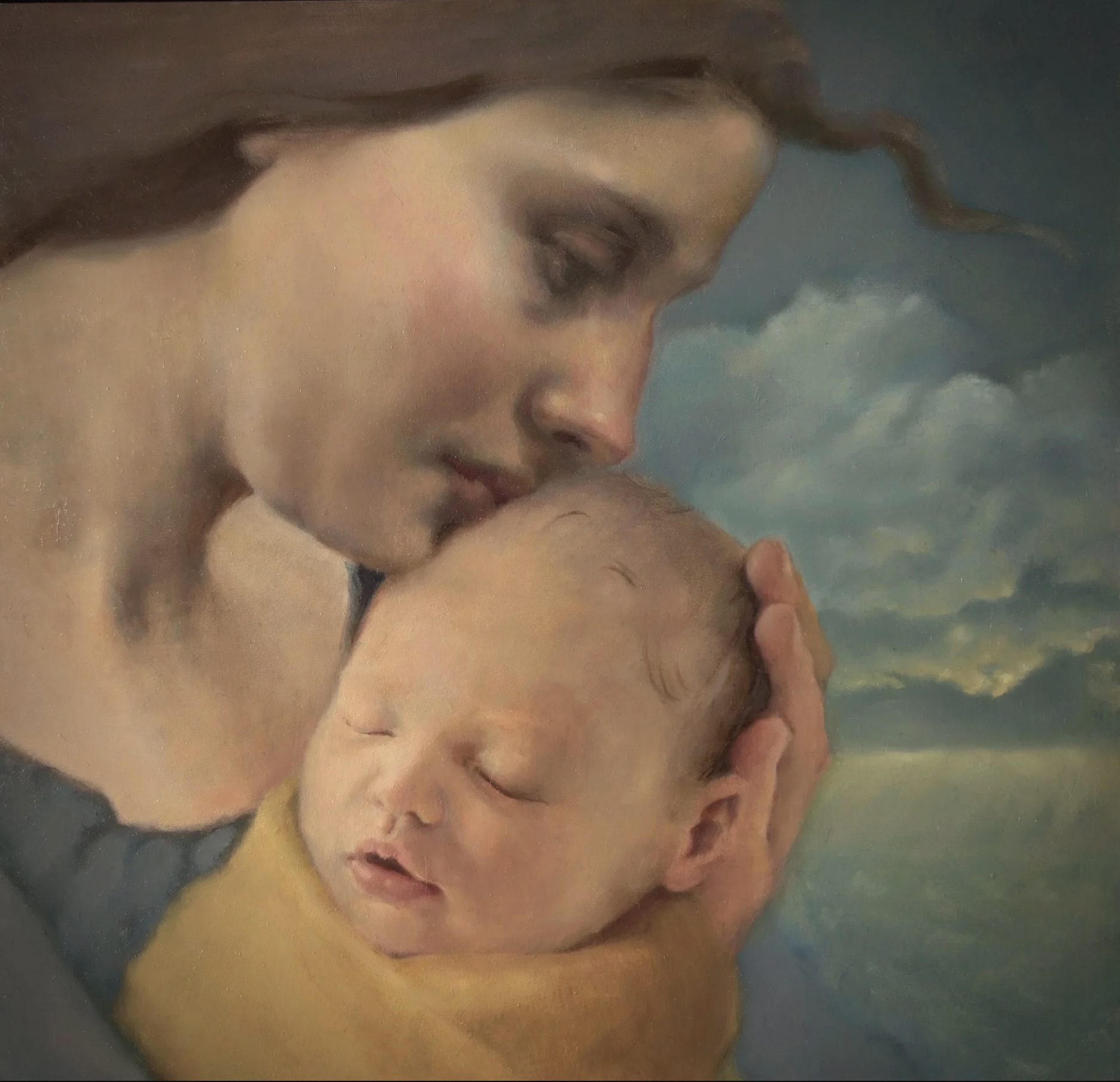
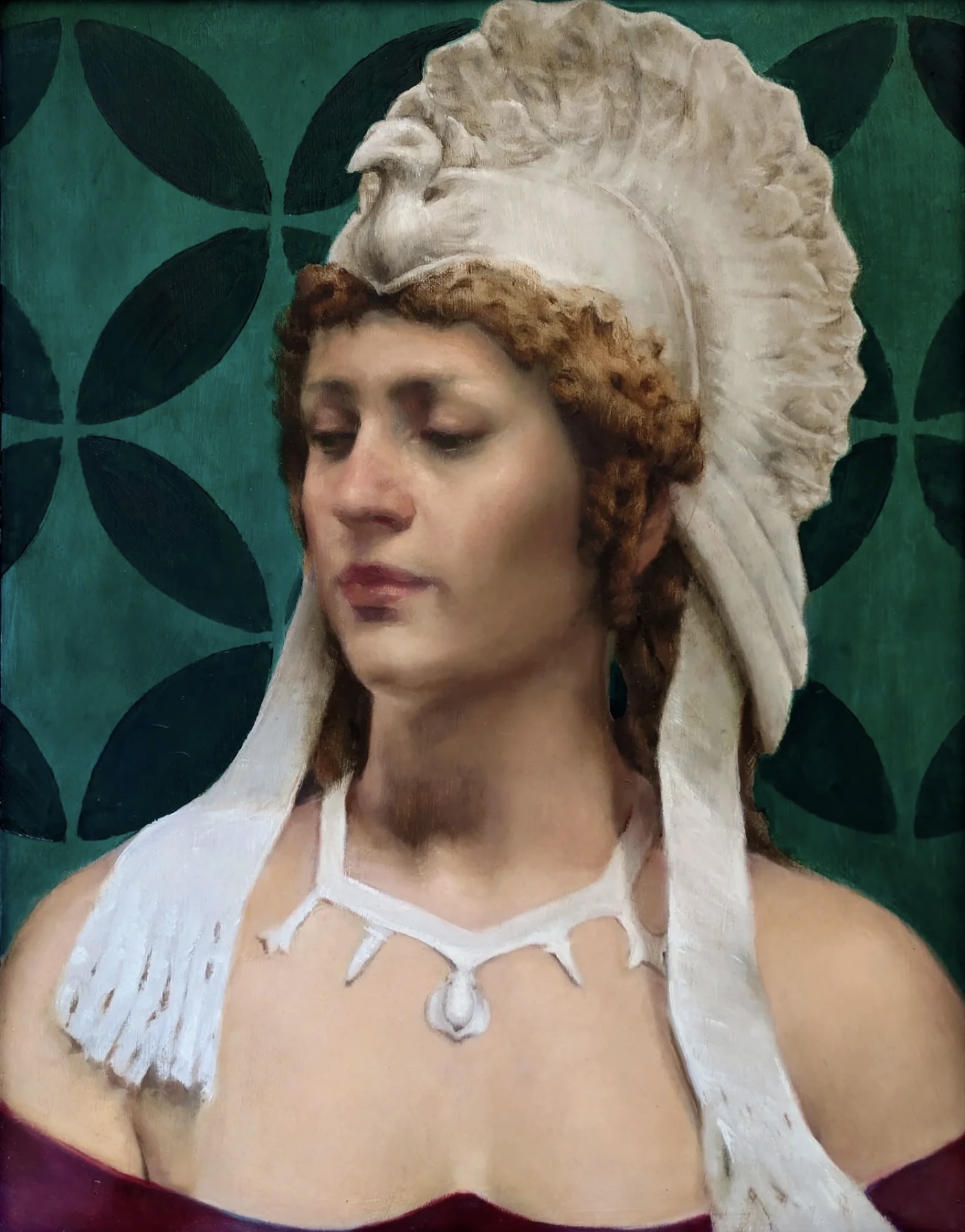
I ask Helen about her fine art degree and the emphasis on conceptual art. She tells me how she felt the need to attend an atelier course, which is a traditional, skill-based training program modelled after historic 19th century art academies and master workshops. It focuses on strict drawing control, proportions, and value structure, rather than modern experimental or conceptual styles. “I did my fine art degree, I didn’t have one life model, nothing like that. It was all conceptual,” she emphasises “So I really didn’t know what I was paying for, because by the time I left university, I thought, I know how to paint. I did gain knowledge on concept and narrative. I enjoyed that part of it, ” Helen makes clear “I wanted to be taught on how to develop my skill, I wanted to be able to paint from life with more realism. Whereas, I didn’t really want to do anything that’s too photographic. Learning what to leave out is probably the hardest element of being a painter, because you don’t have to put everything in there, because then you’re just over-modelling it, over-egging the pudding,” she tells me.
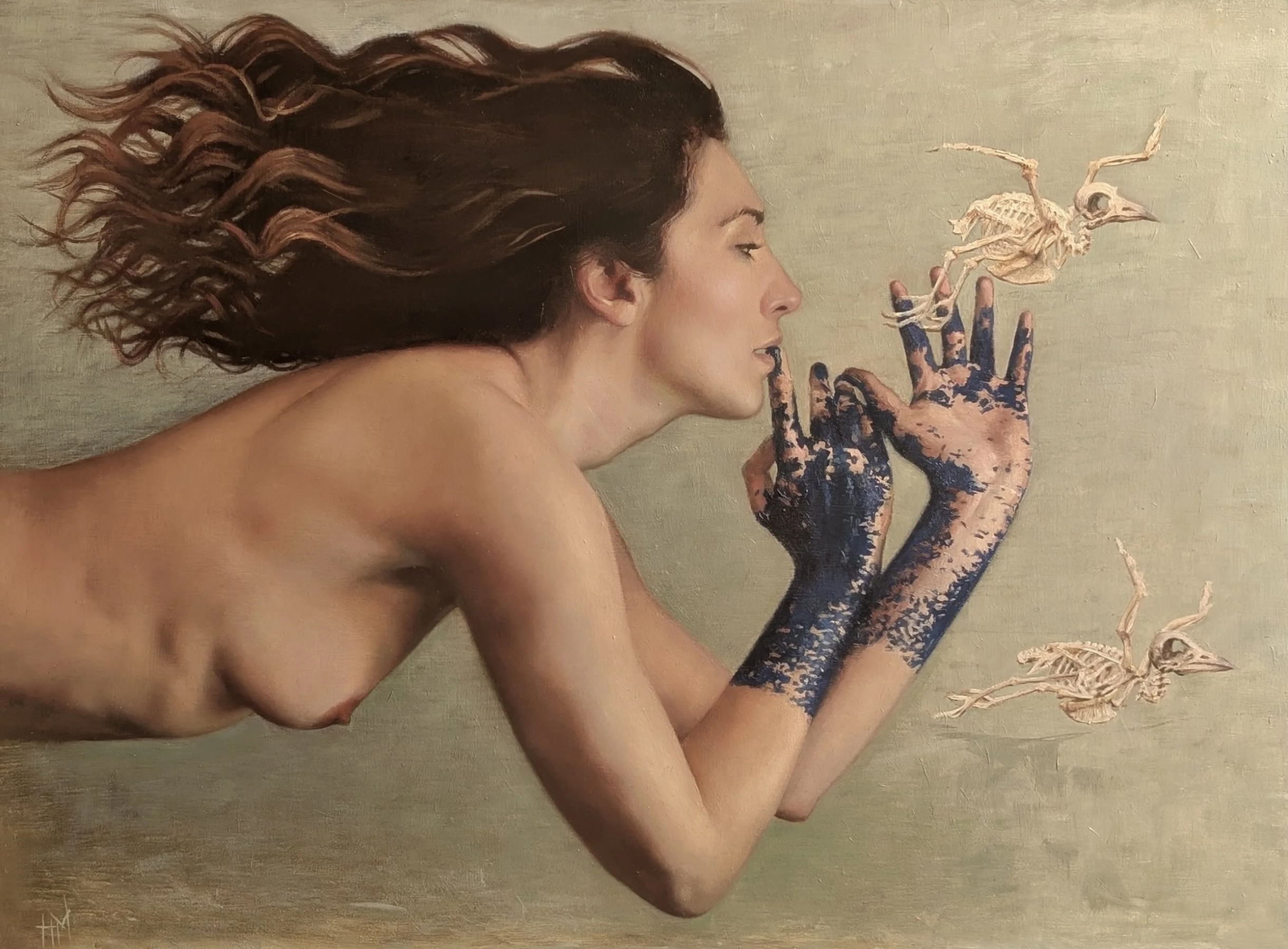
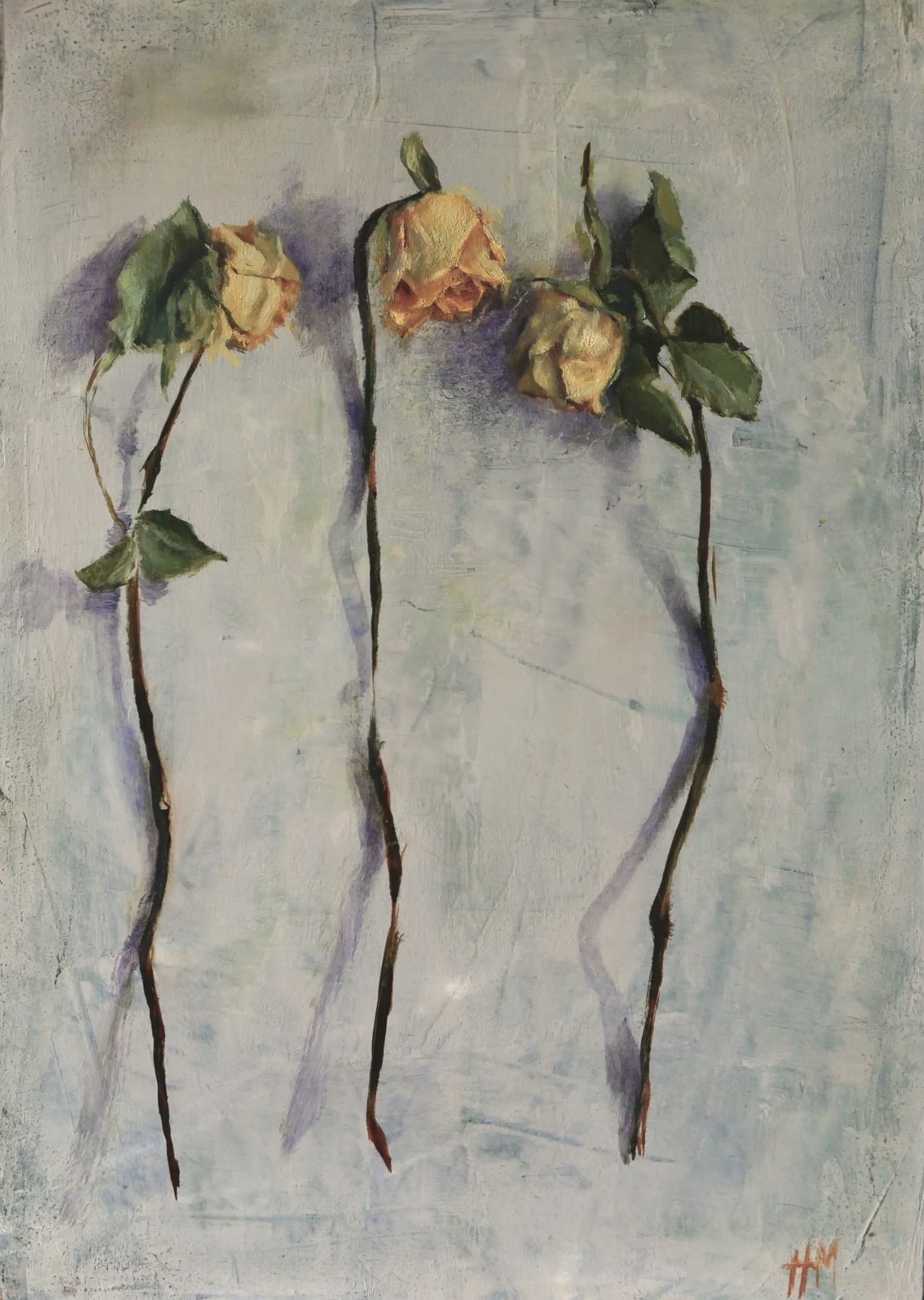
I am curious as to what and who inspires her work. “That’s a good question” she replies “I’ve got two favourite artists. One is a current artist called Christian Rex van Minnen, and an old master; I love Ilya Repin!” I enquire about her biggest influences: “A couple of women artists who I really really like, one’s called Käthe Kollowitz and the other one is Colleen Barry, who’s around now. She does podcasts, I quite like her philosophy, the way she thinks about mythology.” Then I delve into Helen’s inspirations, “Something that tells a story, something that will evoke emotion. I see a scene somewhere, I think, wow, I could paint that, because, it’s really interesting, it’s moved me. Or it’s just fired me somehow, and I think, because it has to have some sort of depth to it”. Then sometimes, she will have an idea when she wakes up in the morning. I ask if she actually sketches and plans or just goes for it. How does it work for her “No, I’ll write it down first and then I’ll sit on it for a few days, because sometimes you wake up and think that’s brilliant, and then further down the line, you think, that’s really rubbish. I need to rethink that” she explains. “You think it’s wonderful when you wake up, then, it disintegrates into this, non consequential sort of thought”. She reflects on her first bed painting, “I remember I walked into the spare room, and this light was coming from one side” she realised “Wow, that’s a painting, because it just looked so dramatic, and it was night, and you could see all the folds, and it almost looked like a palm, because it can tell you who slept there, how they slept, or whether it was a peaceful sleep”.
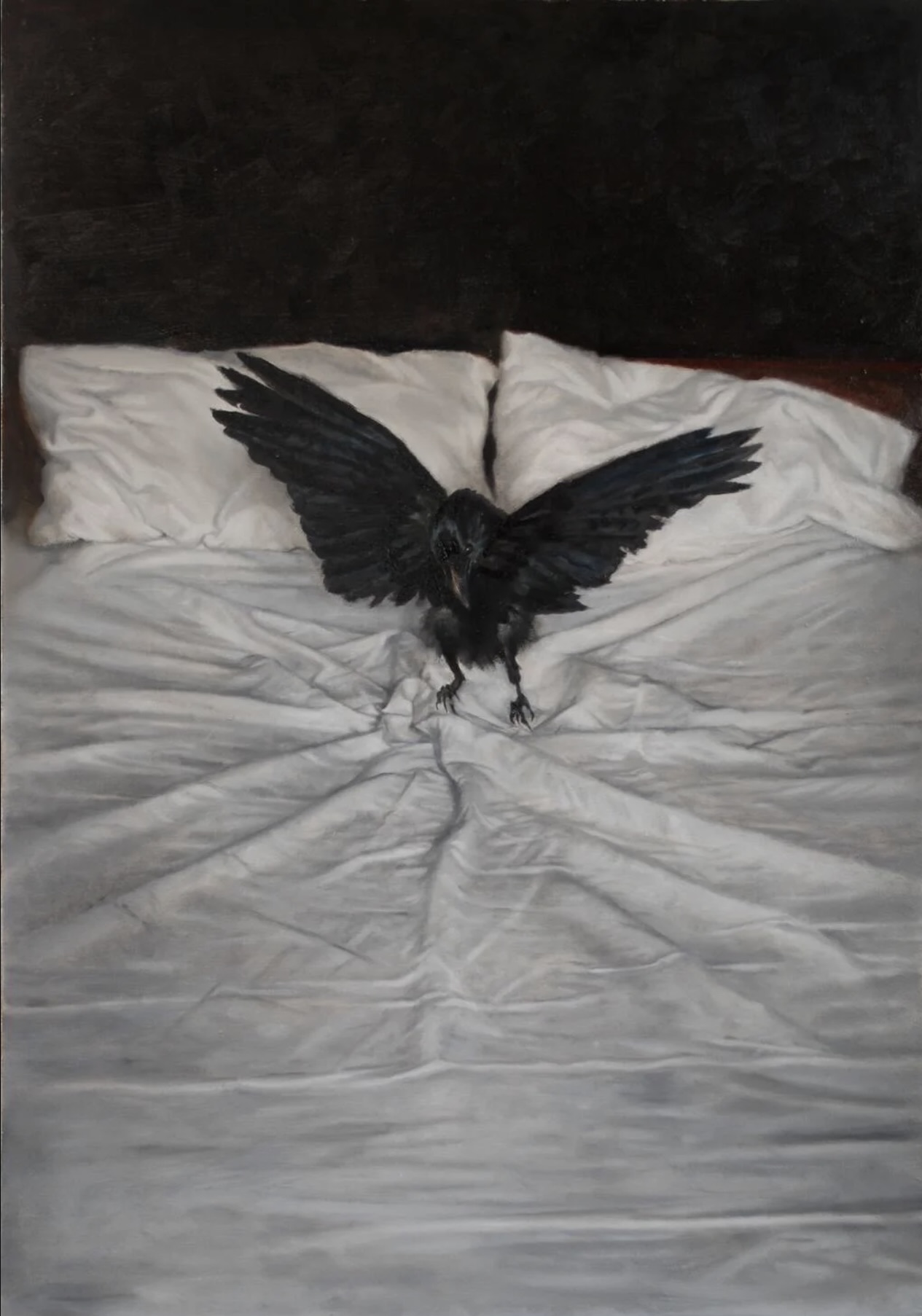
Helen then tells me about her taxidermy course in London. This explains the paintings with the crow, one in particular with the crow hovering over an unmade bed. “I had it on some string hanging up over the bed,” she explains. “I took some photographs, because obviously I want to get into my bed at some point. It’s too complicated to do it from life, it’d have to do it really quickly,” she explains. A lot of Helen’s work is still life, and I mention the painting with the heart and liver, with the sweetness of grapes, “Actually, I went to the butchers, and I bought a pig’s heart,” she emphasises. “I wanted it to be a human heart, so I had to research what a human heart looks like.”
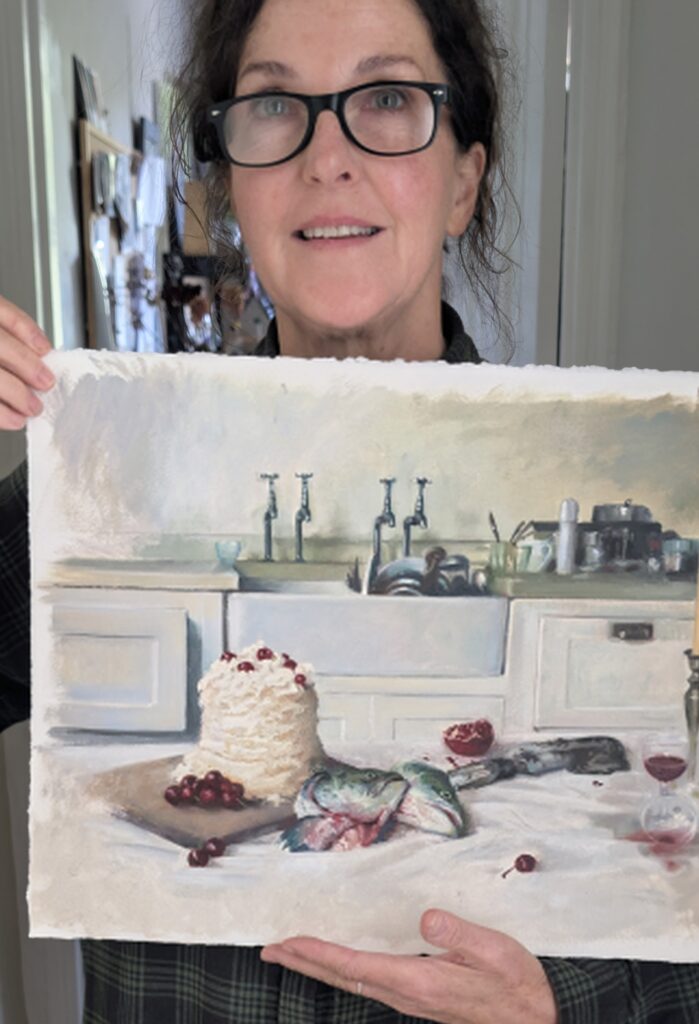
We start discussing what she is currently working on, and Masacz explains a painting with her daughter in it. “We made this big cake. And then I also bought some fish heads, some other bits and pieces, like a wine, glass setup, so that she’s got this table in front of her, and the whole table was a bit of a mess. But within the portrait of her, she’s grabbed the cake with her hand, and she’s looking at it, and it’s all dribbling down her hand, and there’s cherries there. It’s a bit of a messy table”. I am excited at Helen’s description. “I’m doing a Grisaille of this at the moment. Then some glazes, but unrealistic colours, I’m trying something new”. In the final part of our conversation we talk about what factors allow her to love an artwork, “It’s always about atmosphere for me. I think that’s my biggest thing”. What does she think is the best and the worst in the art world? “I hate trends” she tells me “It’s just to do with, consumerism”. What are your ambitions? I ask her “I’d love to paint absolutely full time”. Then finally what does she consider perfection? “Having my children around together and then having a beautiful meal in the sunshine, laughing together. I love that”.
Interview: Antoinette Haselhorst