Nadia Attura
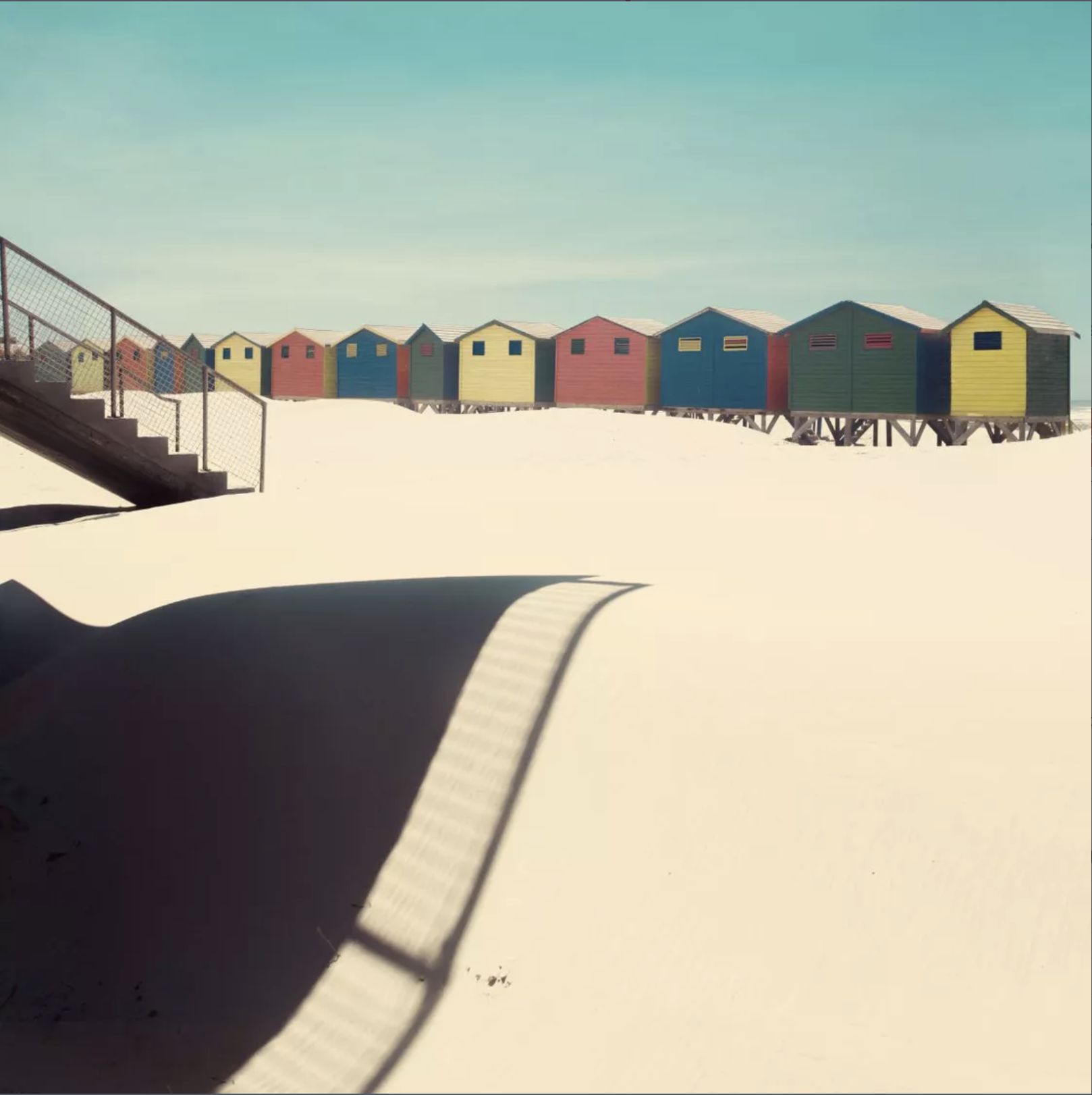
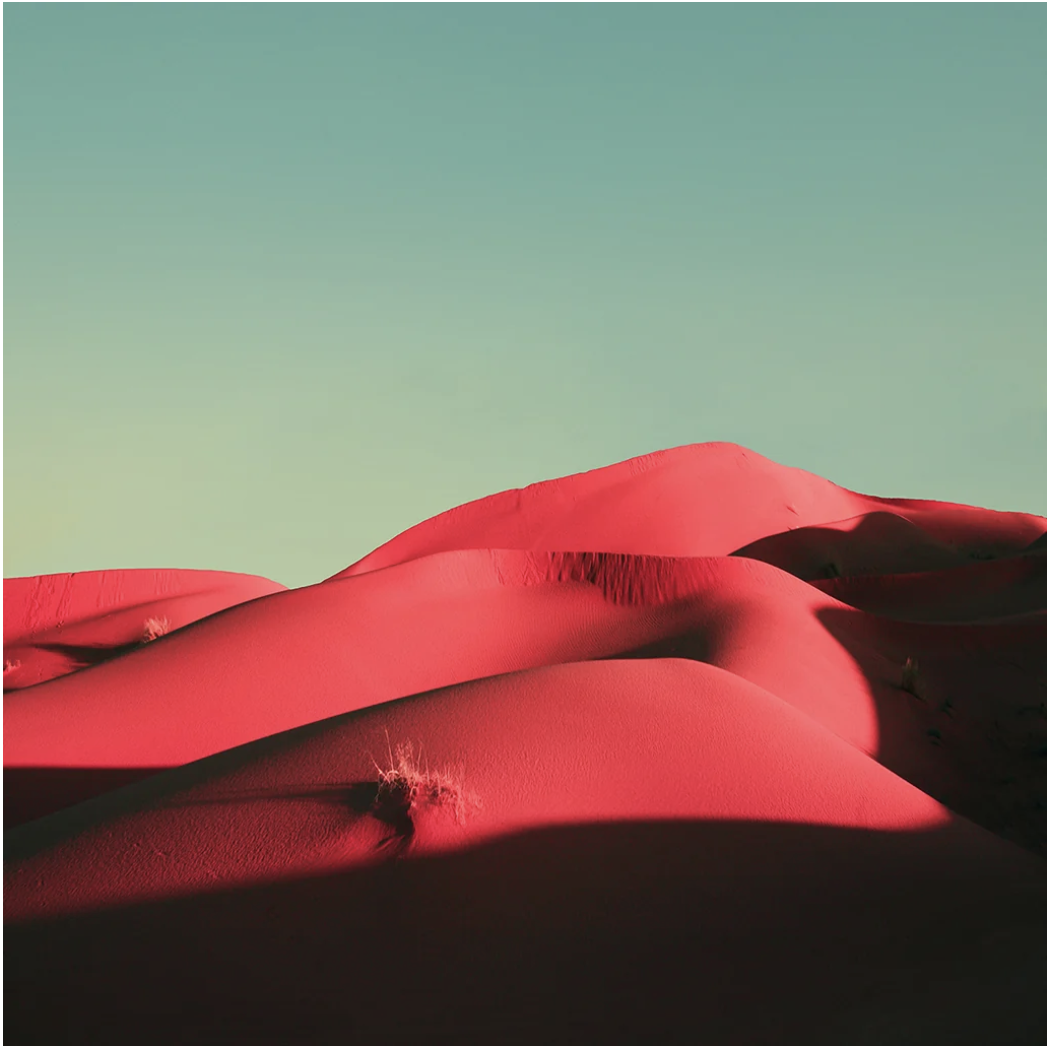
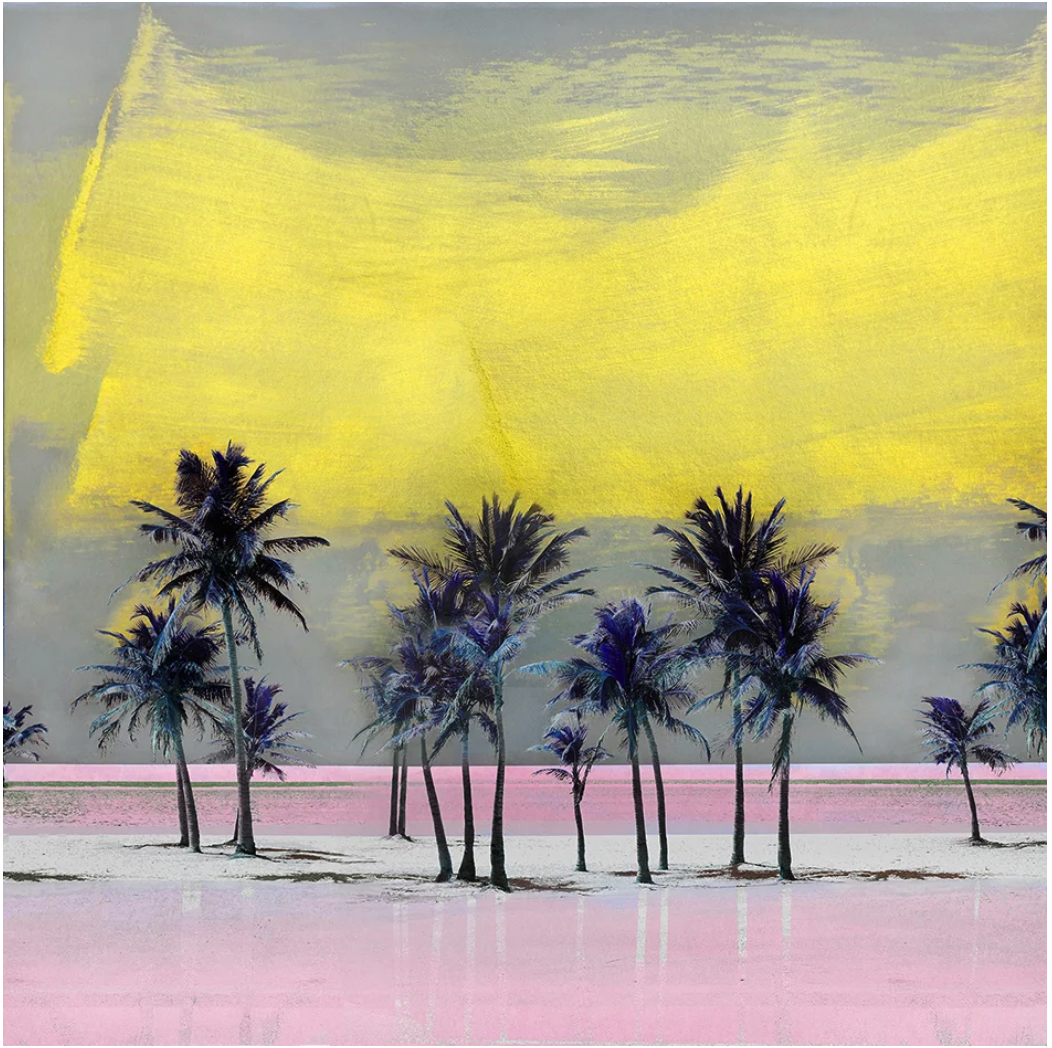
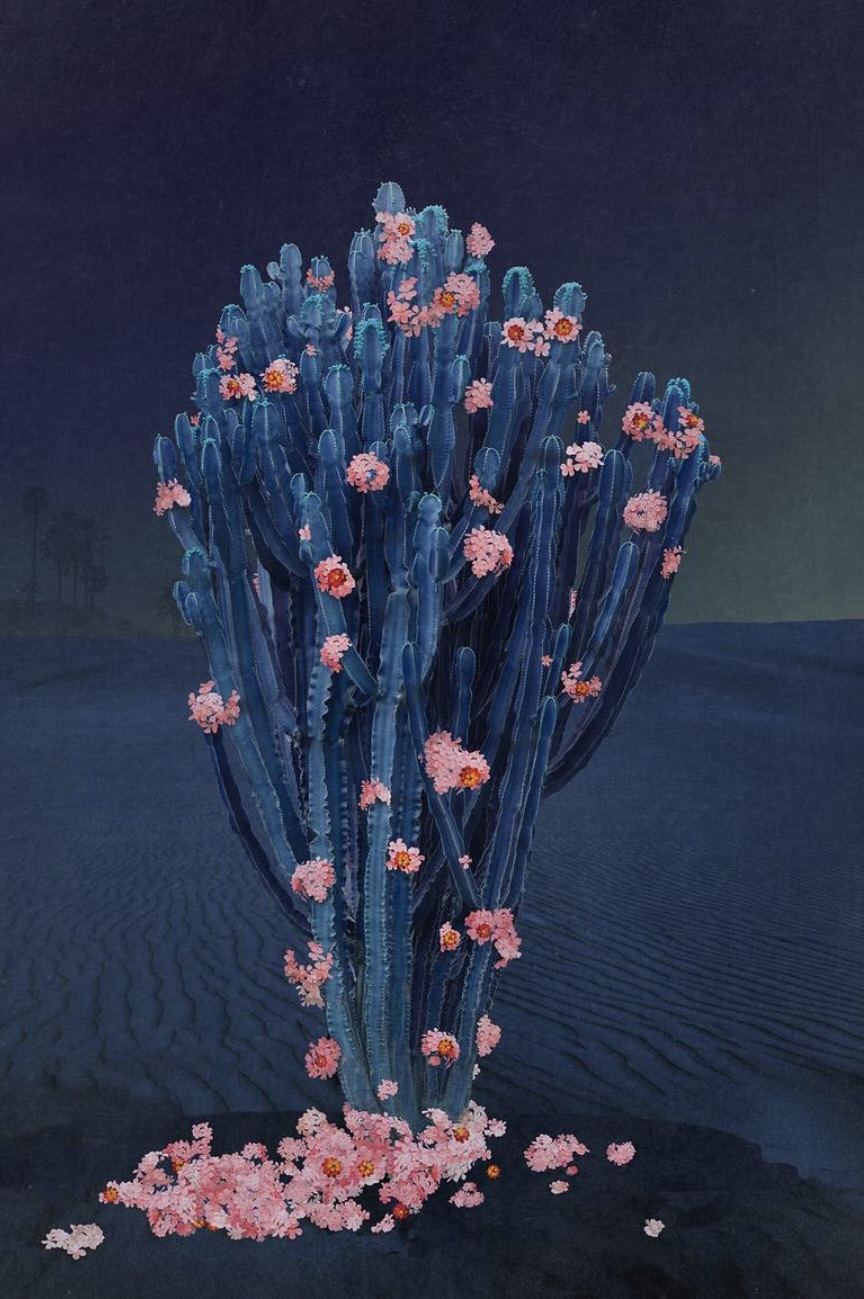
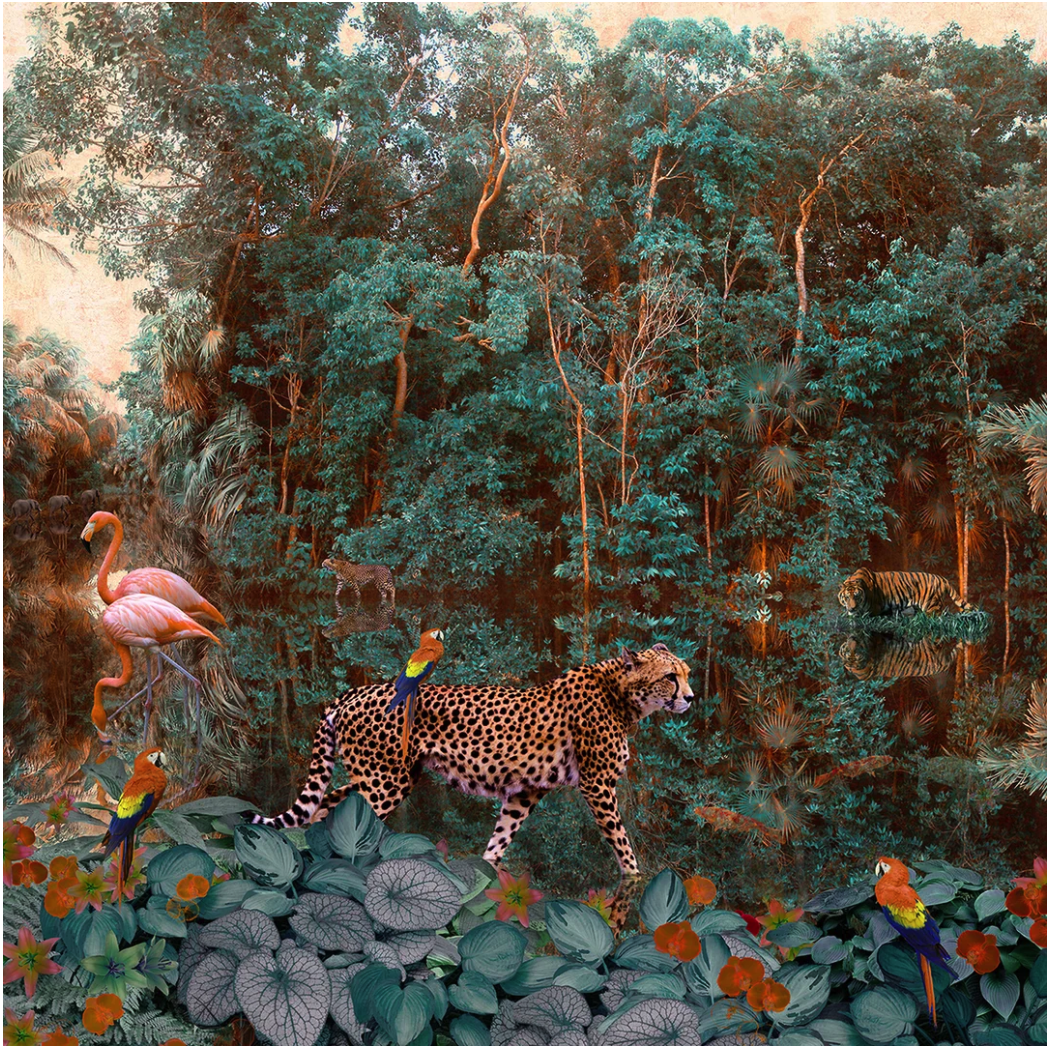
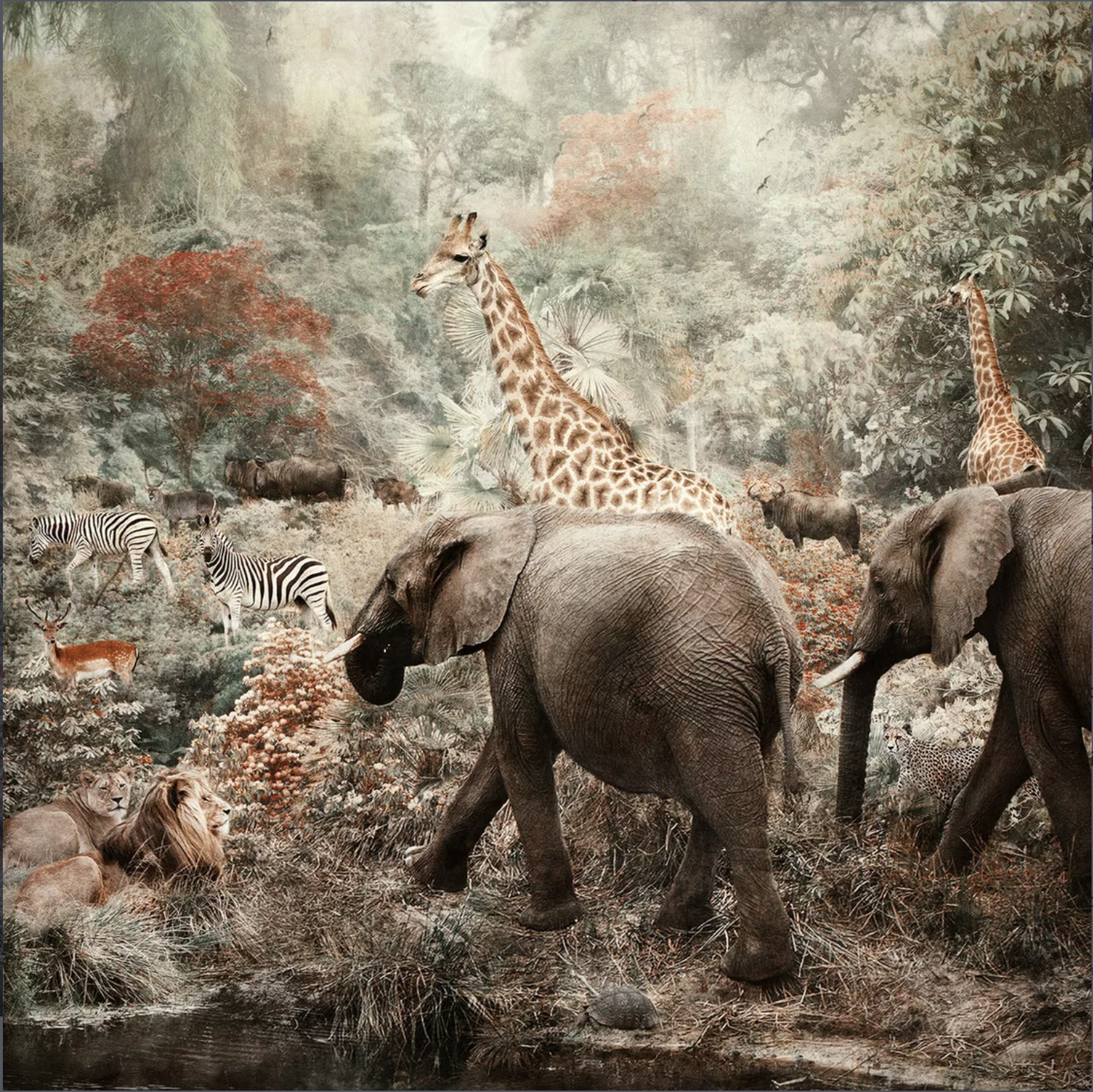
Nadia’s artworks are a multifaceted layering of photographs and collage. They engage an almost surreal edge, they are abstract; and filtered and yet within the compositions, she envelops a simplicity of the unordinary. Her vivid colours and pastel hues and strong compositions stood out when I encountered her work at the Other Art Fair. As a photographer, printmaker and artist, she then transforms the images with layering details, the illusion is impressionistic and sometimes metaphysical. The full rich colours and contrasts, define a dreamlike and mysterious landscape. However, Nadia emphasises that narrative is not intentional, and that she firmly believes an artwork is interpreted by the viewer. What stands out in her work is the nostalgia of nature, the breadth of our environments, and lasting impressions, as she coerces us to see the minutia and magnitude of nature. Her artworks embody escapism, refuge, tranquillity, all the while evoking the mysteries of our environments. She explains that even whilst working on her art, though sometimes complex, taking up to two weeks to complete, an artwork is a meditative escape, a feeling she already had as a young girl, a sense of escapism in art.
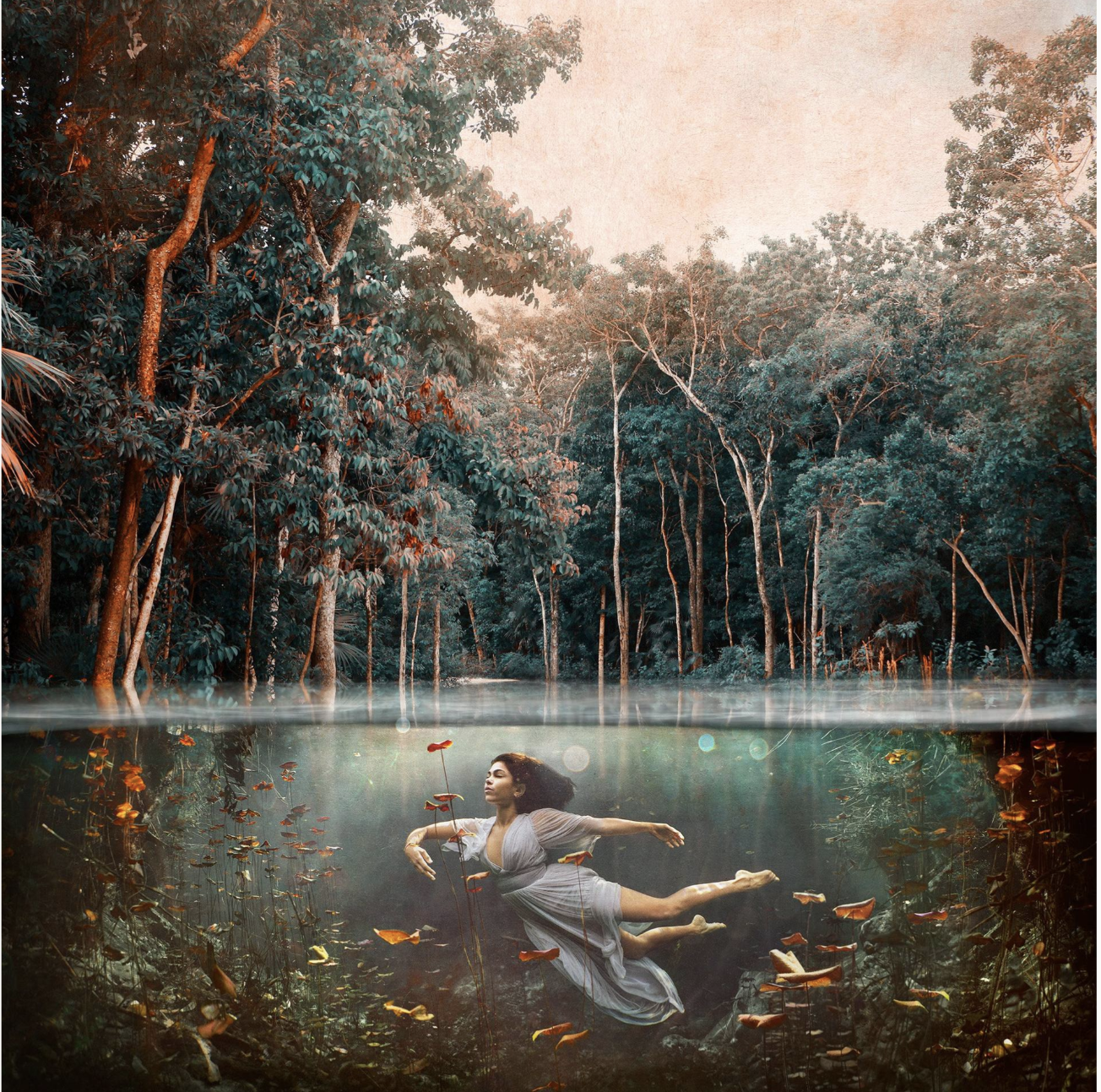
She started her career as a photographer working mostly as a photojournalist in the corporate world. She built a career as a professional commercial photographer, although her desire to be an artist was prevalent. Setting herself a goal whilst expecting her first child, she set out the ambition to turn her career around as an artist with the intention to support herself and her daughter within five years. The goal was ambitious and she has since had work appear at the Royal Academy, in 2016, 2019, 2023, 2024 and 2025, as well as features in Vogue, The New York Times, The Guardian; and exhibits selling her work around the world.
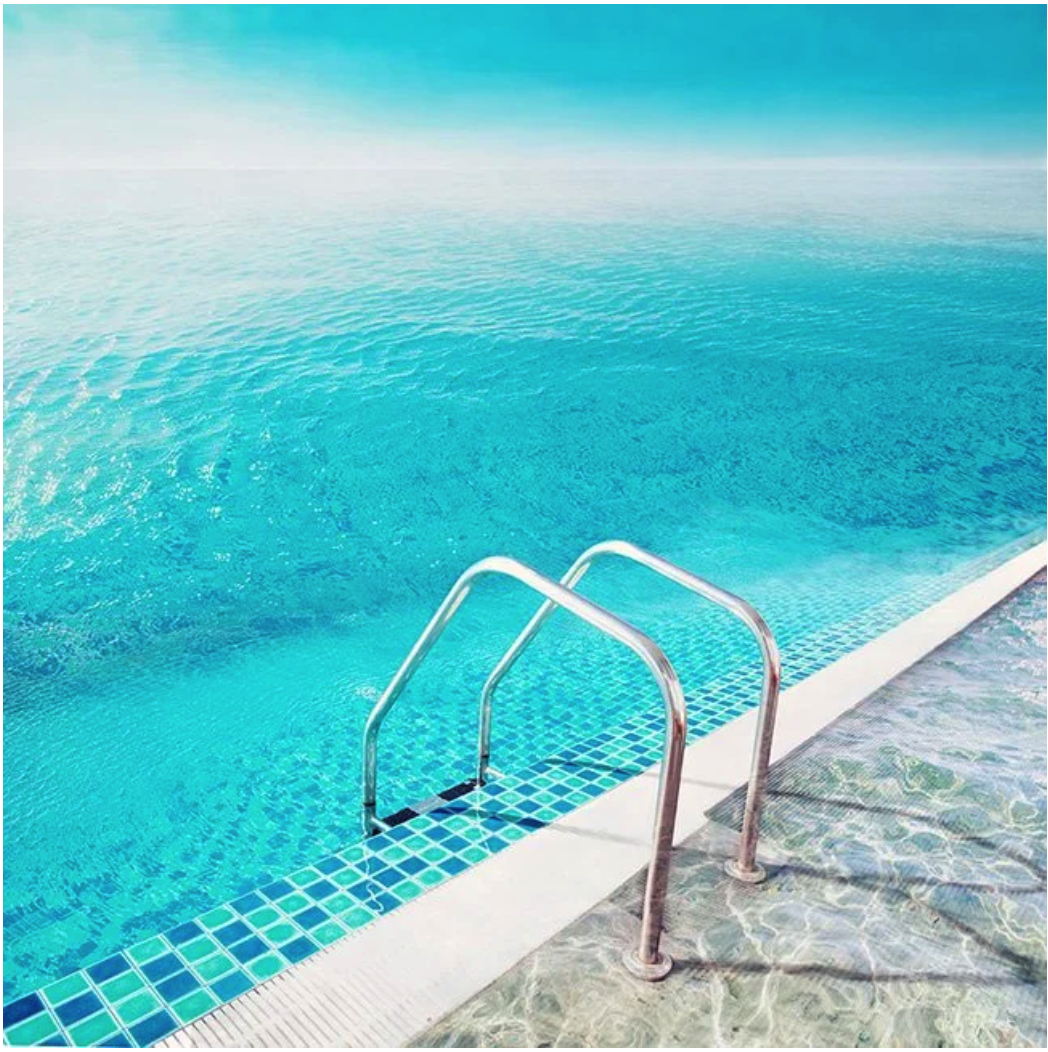
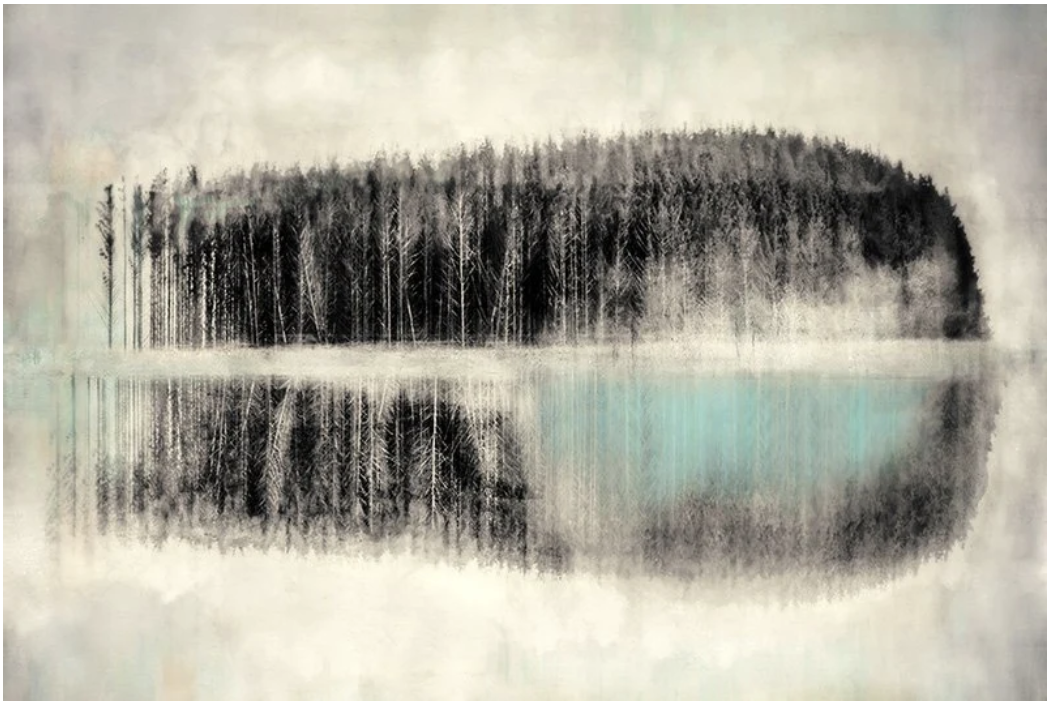
Her upbringing in the UK was influenced by her Italian family and frequent childhood visits to Rome, spending time with relatives and indulging in the rich creative culture that is the portal to this city’s soul, through its ancient architecture, museums and artworks. This impacted her heavily as did growing up in rural North Yorkshire surrounded by nature. Although her desire to be an artist was overwhelmingly powerful from an early age, her mother discouraged the career path, as she believed her daughter wouldn’t be able to survive being an artist. So in her early twenties she came to London and studied interior design at the University of Art in London in 1999 and then began working in retail for Mulberry. “So I was working in Harrods and Harvey Nichols and Liberty.” And then in her mid-twenties she went back into education. “I went into photography. I wanted to do some sort of film media,” she explains. “I knew that if I was going to have a career in art, I needed to make money, so that I could support myself.” She did a postgrad at the London College of Printing. This was followed with a ten-year career in photojournalism.
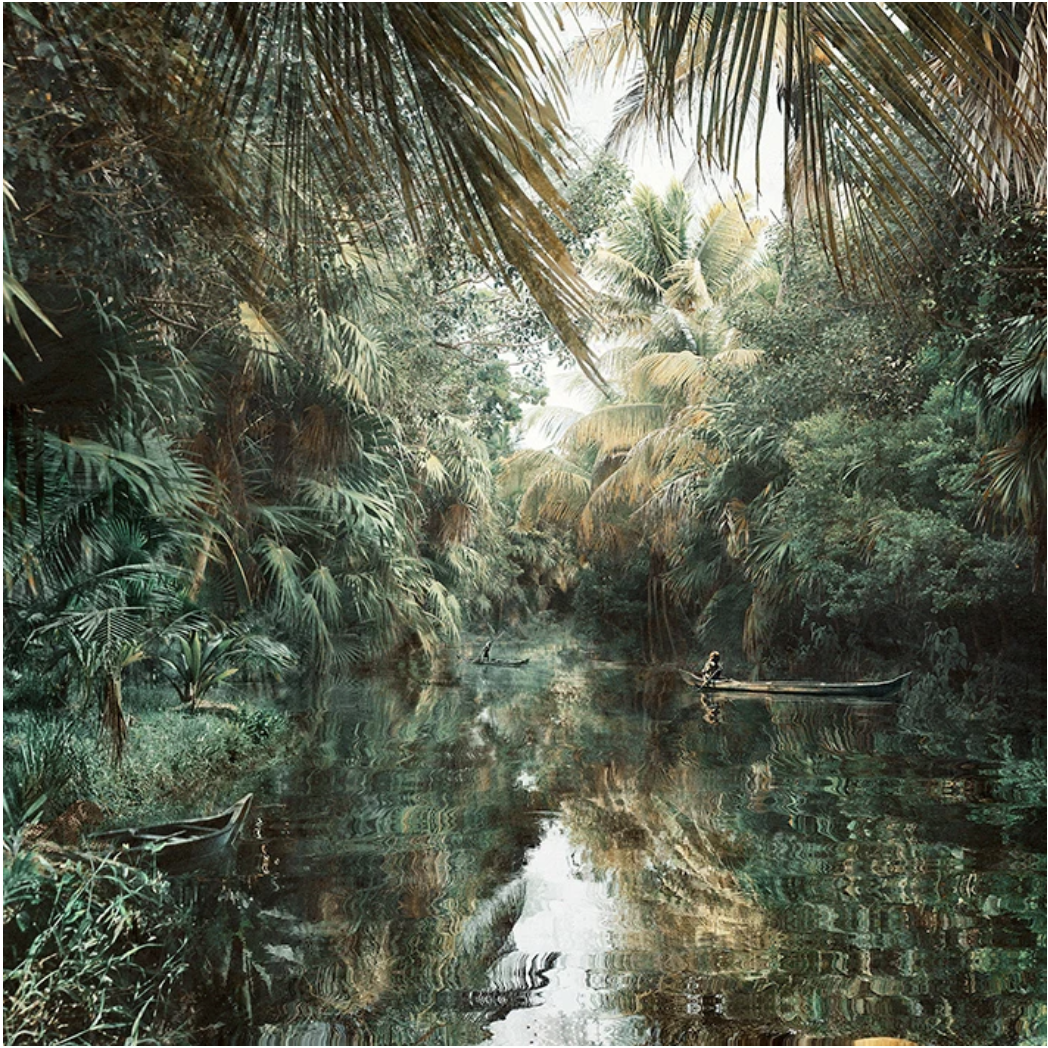
The Evolution of Attura’s style as photographer began during a six week tour in India. She describes her trip shooting on a medium format camera, “Because I was doing a lot of street photography and people’s lives. I didn’t want to put a camera at my face, so it felt like a shield,” she tells me. “Especially when you’re photographing people. So I’d often shoot from the hip anyway,”composing images whilst looking down “It looks like it’s an old instrument, it doesn’t look big and flashy and modern” Nadia explains. She took many rolls of film, photographing the Indian National Railway network, and the lives of people and the changing landscape beyond the train window. However, when she had her film processed halfway through her journey “I thought I should point out, I was really worried that it get it would get exposed.” the images came back as double exposures, and the film process had additionally caused a ghostly, milky and spotty images. “So there’d be, like, a nice portrait of a weaver, and then there’d be some weaving fabric, or it would be a nice sort of portrait of the backwaters. And then there’d be palm fronds. So there were things that were going on together, which they’re not documentary, but they were more poetic, more playful.” She had to hand-paint the prints, “And then I thought, I quite like this painting on top of the photographs, and I like this double exposure, and I love the fact that it’s not purely documentary.” she tells me. “The fact you’re giving a lot of information in one image, because you’ve got palm fronds but then also, you’ve got the portraits of the fishermen.” This inspired her work as an artist, combining different photographs together. Another inspiration is David Hockney’s Pearblossom Highway, which is one of his pieces that he took in California, a prominent work created using multiple images as a collage.
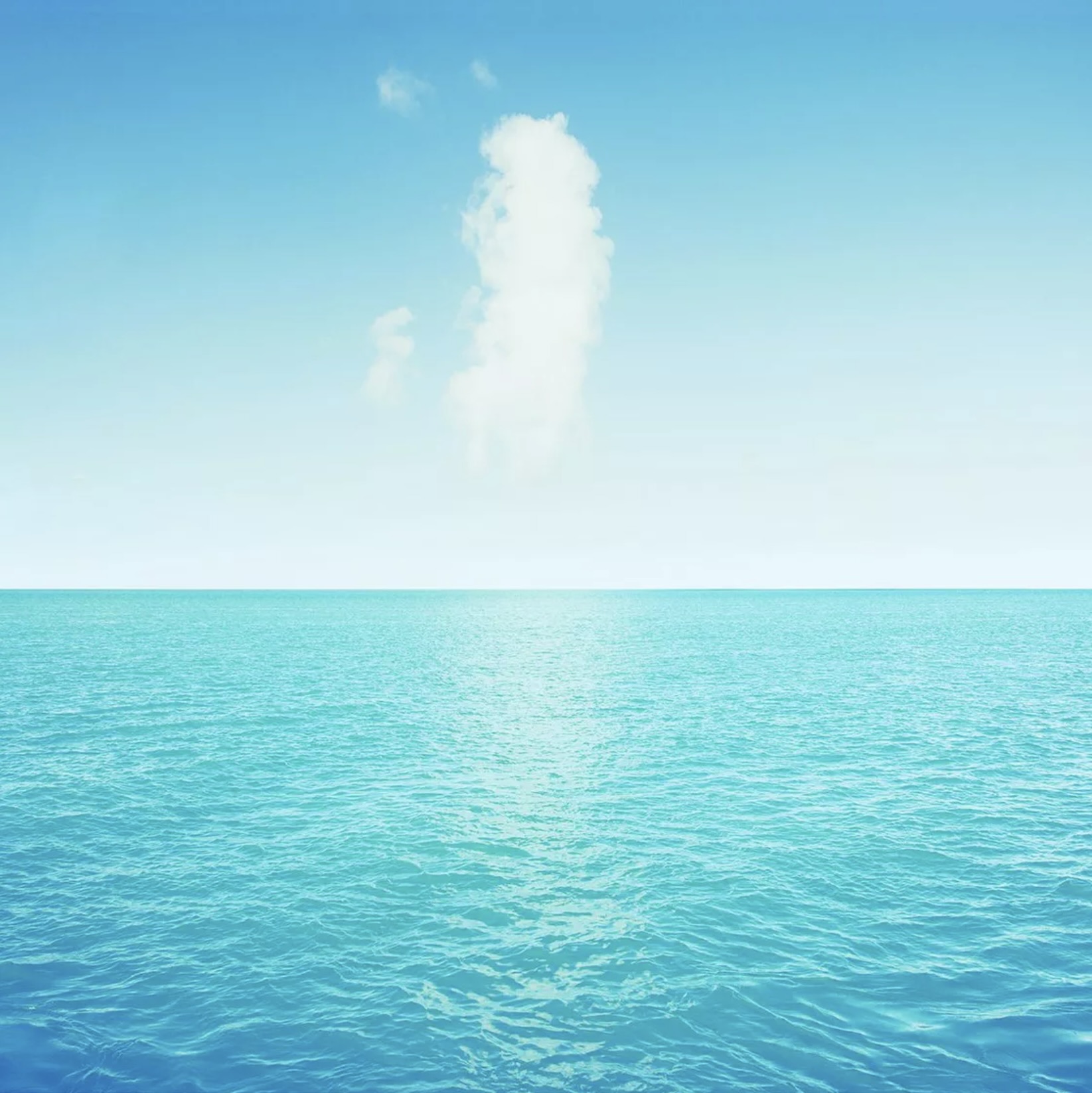
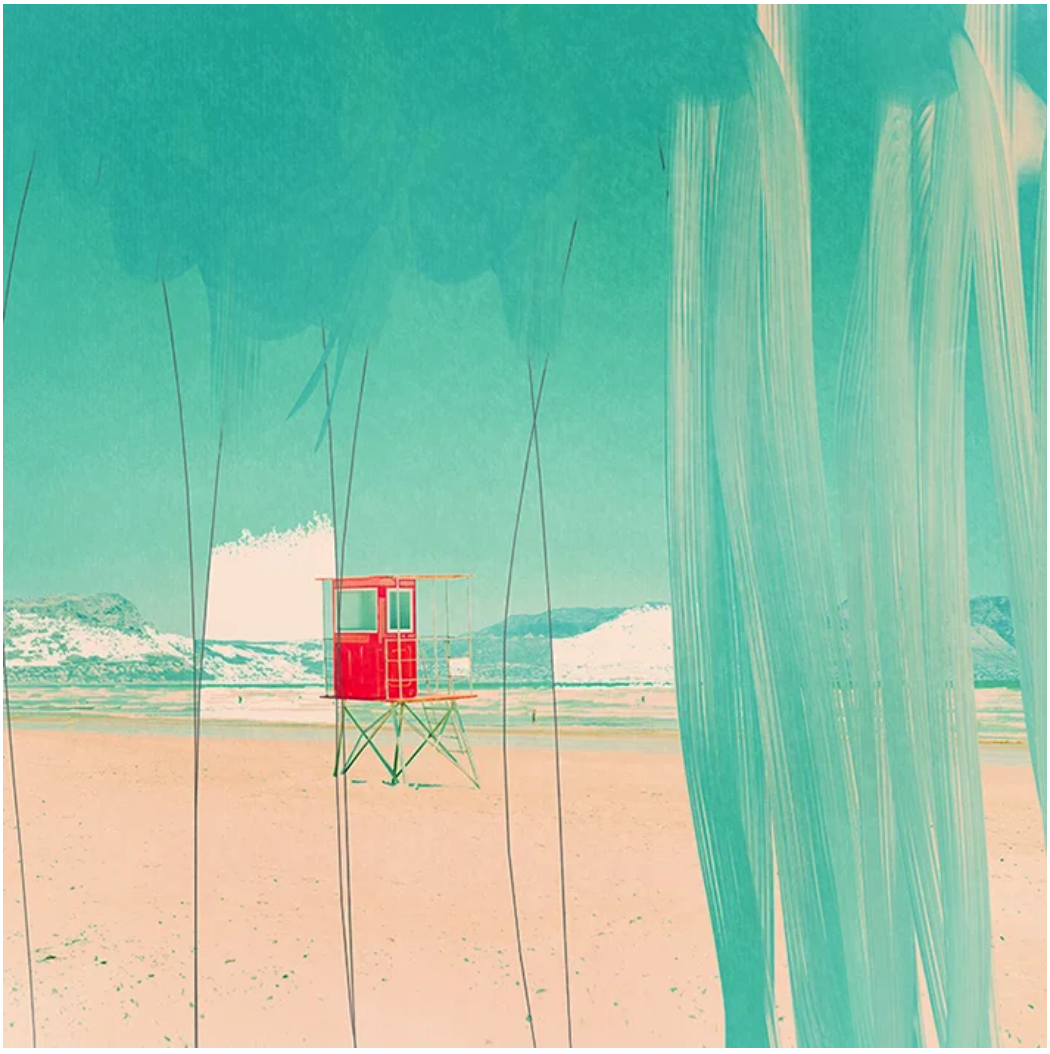
An additional inspiration is her love of nature. Nadia has travelled extensively photographing and re creating the influences of her travels and incorporating them into her artworks. “I’m always inspired by going to exhibitions, different work, different compositions, the feeling you get when you’re in front of different people’s artworks. I think all this informs you, when you work,” she explains. Interior design also infuses her use of colour. “I get interior design magazines and I do like to flick through those and get lost in interiors and colours and that kind of feeling of how to make your home beautiful, using colour.” Currently she is planning her next show in Phoenix and then a road trip around Sedona, Monument Valley, Death Valley, the Grand Canyon “I’m going with the idea of creating new work.” Currently she is working on three or four different things at the same time she tells me.
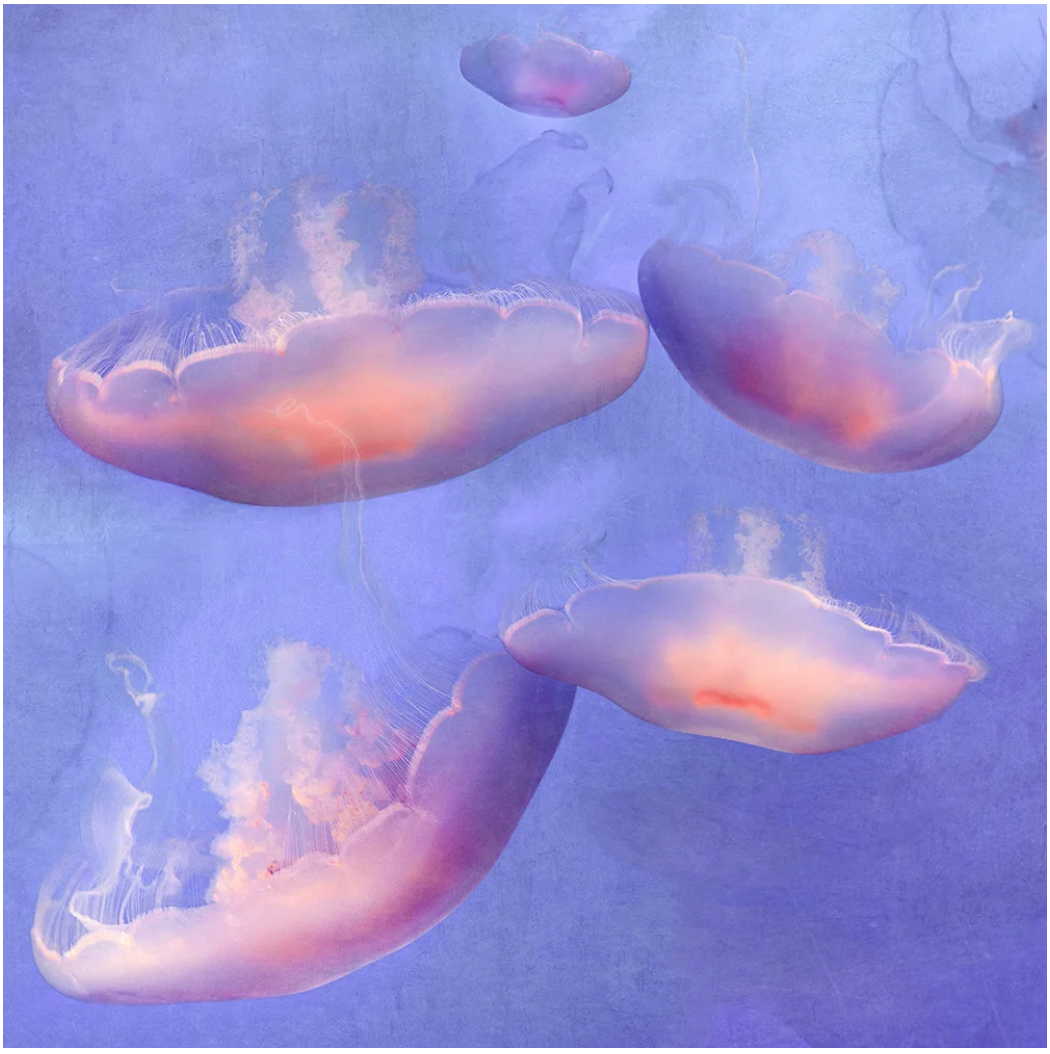
I ask Nadia about her favourite artists. She pauses for a while and puts her head in her hands, as she thinks, then looks up intently “Bernini!” she exclaims “Gian Lorenzo Bernini, I do love his work. I do love sculpture, even though I didn’t do it, but I really admire it and appreciate it. I just find his work absolutely stunning and fascinating, and it’s just that it’s so lifelike that you just want to touch his pieces,” she exclaims. “I just can’t get over, how he was able to create these works that are just are so, so utterly beautiful”. She tells me about encountering his work at Galleria Borghese, a prominent museum in Rome. She also mentions the artist Dawn Beckles, who is also her friend. “Her work mixes interiors with these fantastic colours that she uses and she also uses foliage, and they’re just very serene rooms, although the colours are very vibrant.” Nadia surprises me when I ask her who would you say is your biggest influence, artist or otherwise? “I do love the drawings, these sort of 18th century drawings of Carl Friedrich Philipp von Martius,” she exclaims. “He did this beautiful botanical book of drawings and engravings from Americas, so from Central America and South America. I got the book somewhere, but I’m in a state of move in my studio”.
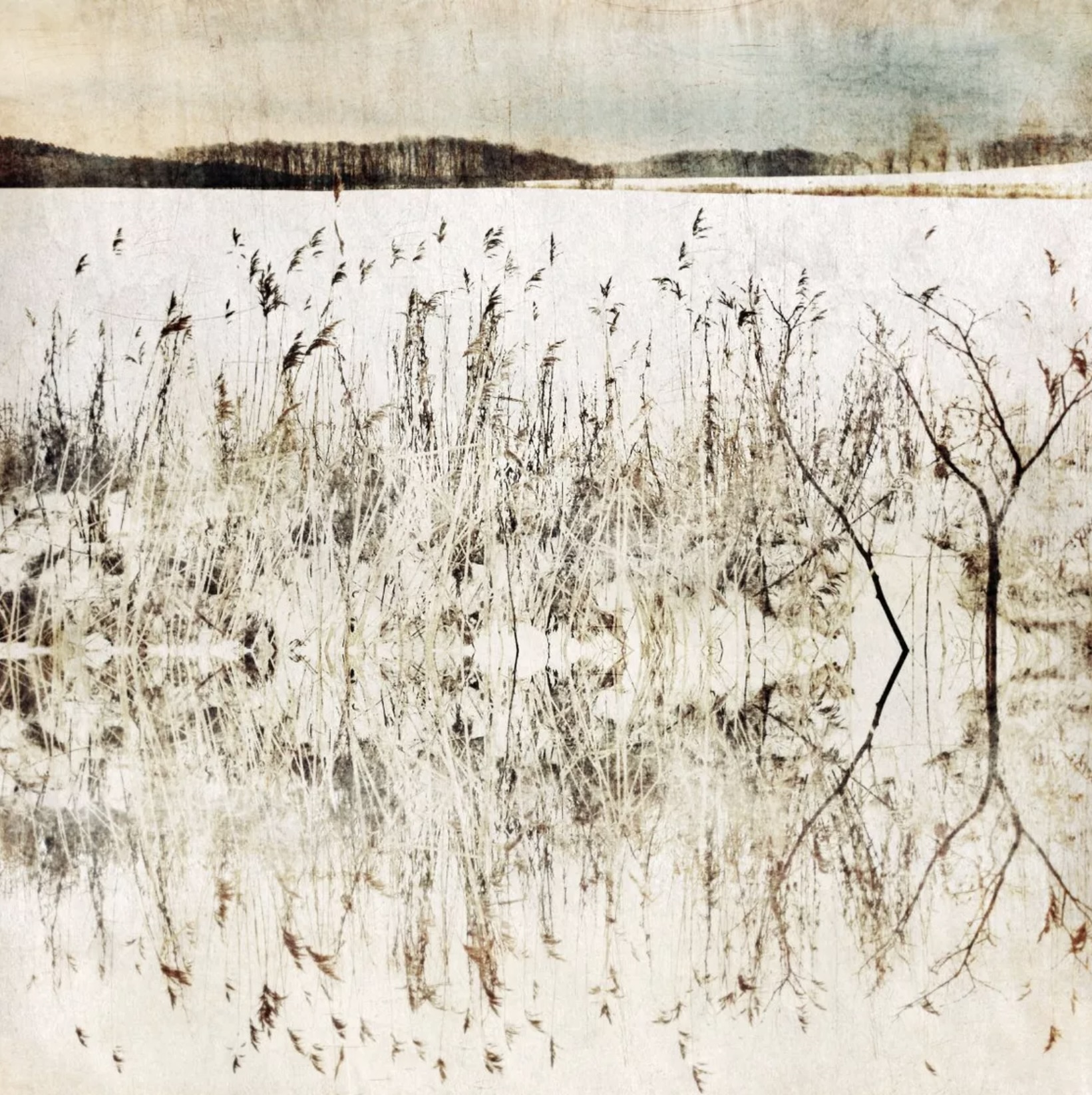
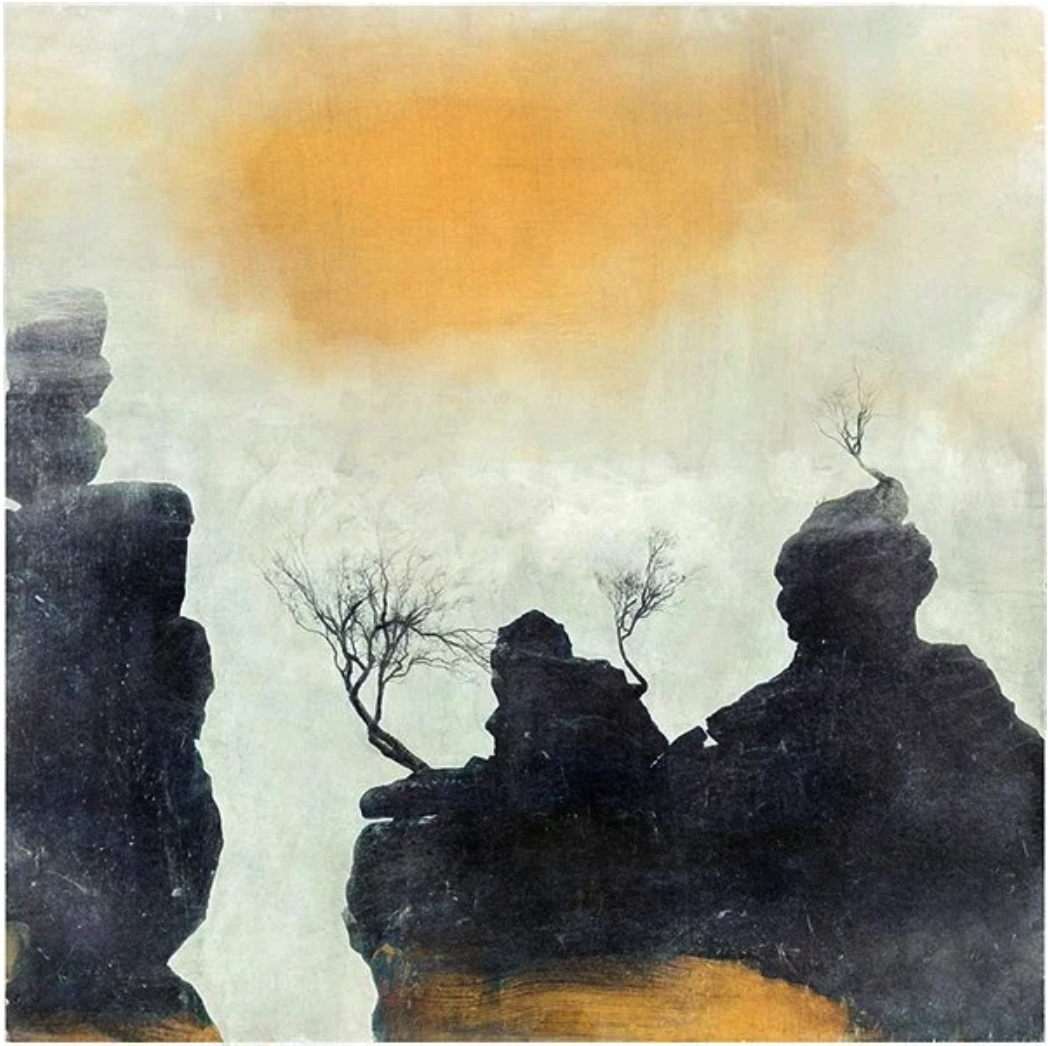
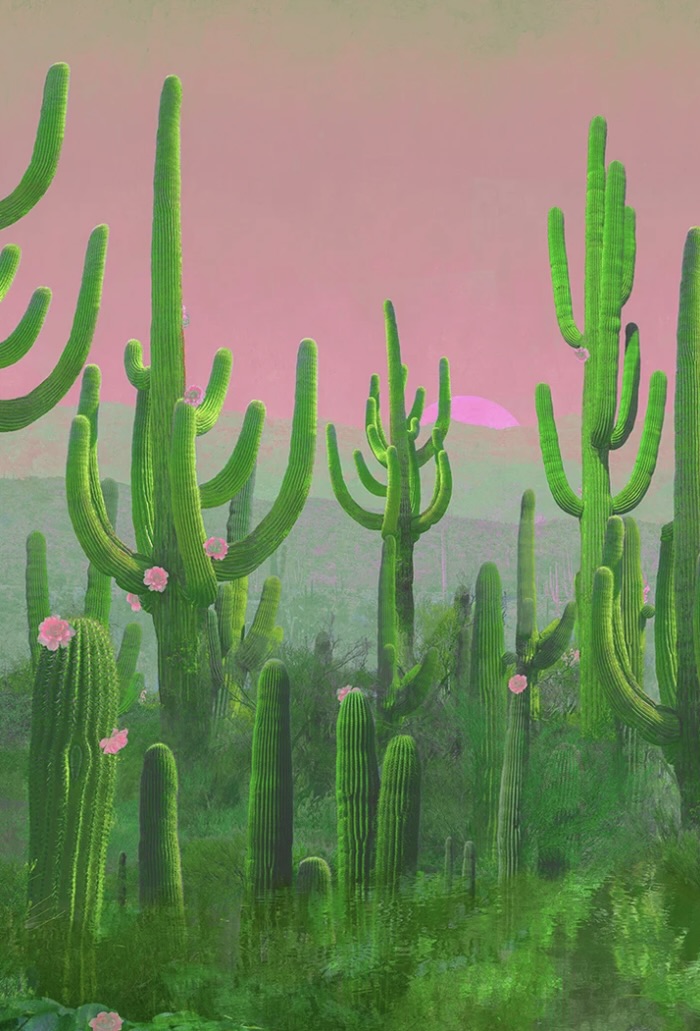
As Attura and I revolve around the subject of narrative again, she emphasises that when she is creating work, “I feel so at peace, so relaxed, so involved in it, almost like a meditation. And that, for me, is what I would love to have other people feel.” That’s, her narrative, she explains. When she started working as an artist, “I was in such a state of flux with my photography and my partner really being ill, that’s when I submerged myself into my work” she tells me. “I’m not a political artist, so it’s not like I’m trying to go and get a message across. I think for me, well-being, and tranquillity, and calm” and then like her cactuses, “I put flowers, and that’s kind of like a metaphor for life, because you’ve got these hardy cactus, in the deserts, where there’s no water, but they all, they bind the water, and yet, they have these magnificent blooms, and it’s kind of like a metaphor for life”.
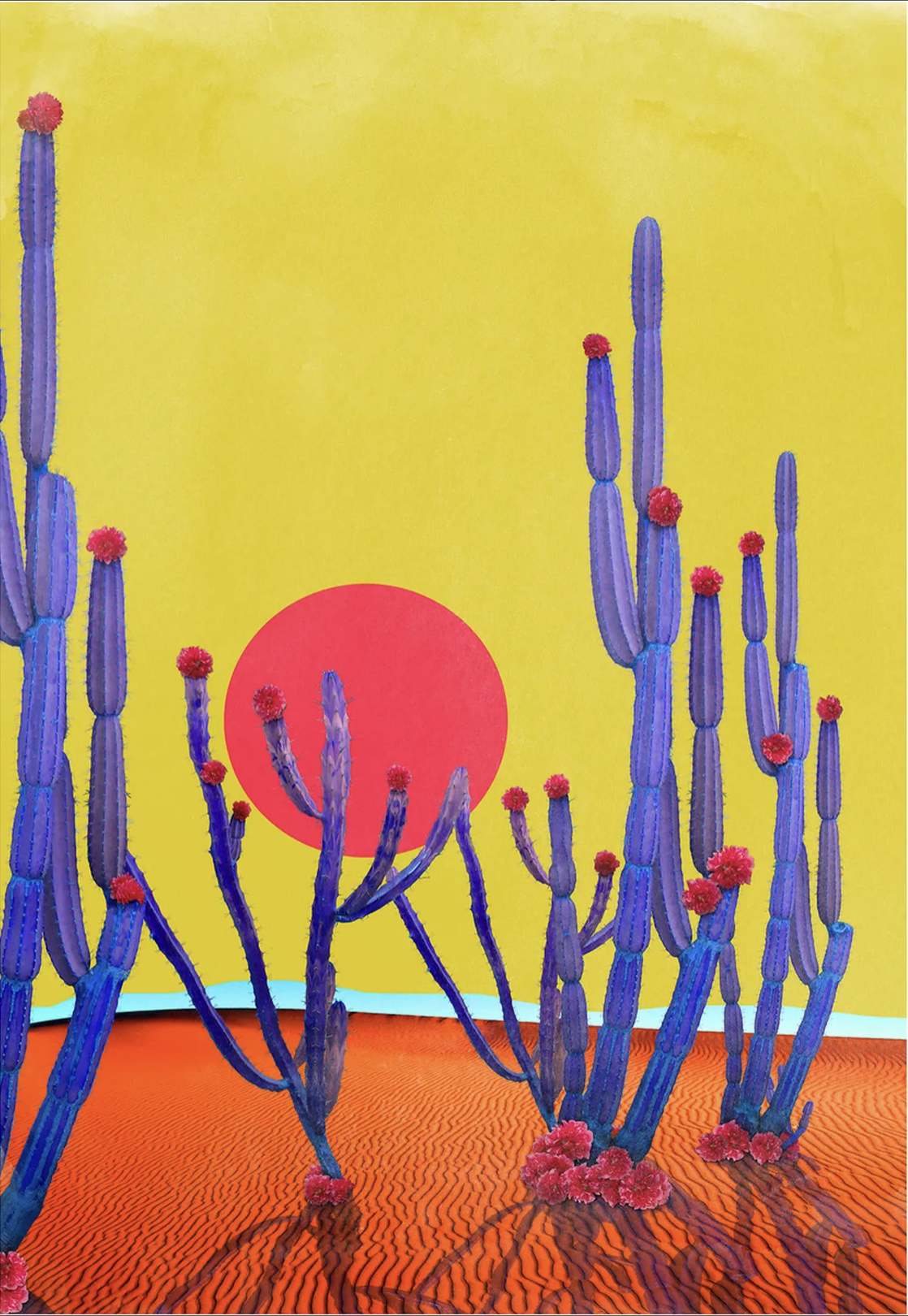
Nadia explains that for her, falling in love with an artwork is something that you feel, “Because we all have different paths and different lives. There is something that will touch you, whether it be the colours that go together, maybe they’d inform me of something in the past. I just feel a complete connection with their composition,” she explains. “And I’ll see and I’ll just think, oh, I’ve got to have that piece of art because it gives me joy, and it makes me feel like that’s the thing that was missing”. Finally I quiz her, what she considers the best and worst in the art world, “Oh, I don’t really like conceptual art, I have to say. I don’t get it. Anything that needs a lot of words, why do I have to be reading about what it is. For me, art is something beautiful.” I aim to end our conversation with something lighthearted, when I ask her if she could have any artwork, which one would she have. “I could have any artwork here?” she asks “Well, I’d probably go to the Borghese Gardens, and their gallery and I would just pick anyone.” I ask what she considers her greatest achievement so far, “That I have been able to be an artist and have been able to support my life and my daughter’s life as well. That is my greatest achievement. That I’ve been able to make it work.”
Interview: Antoinette Haselhorst